

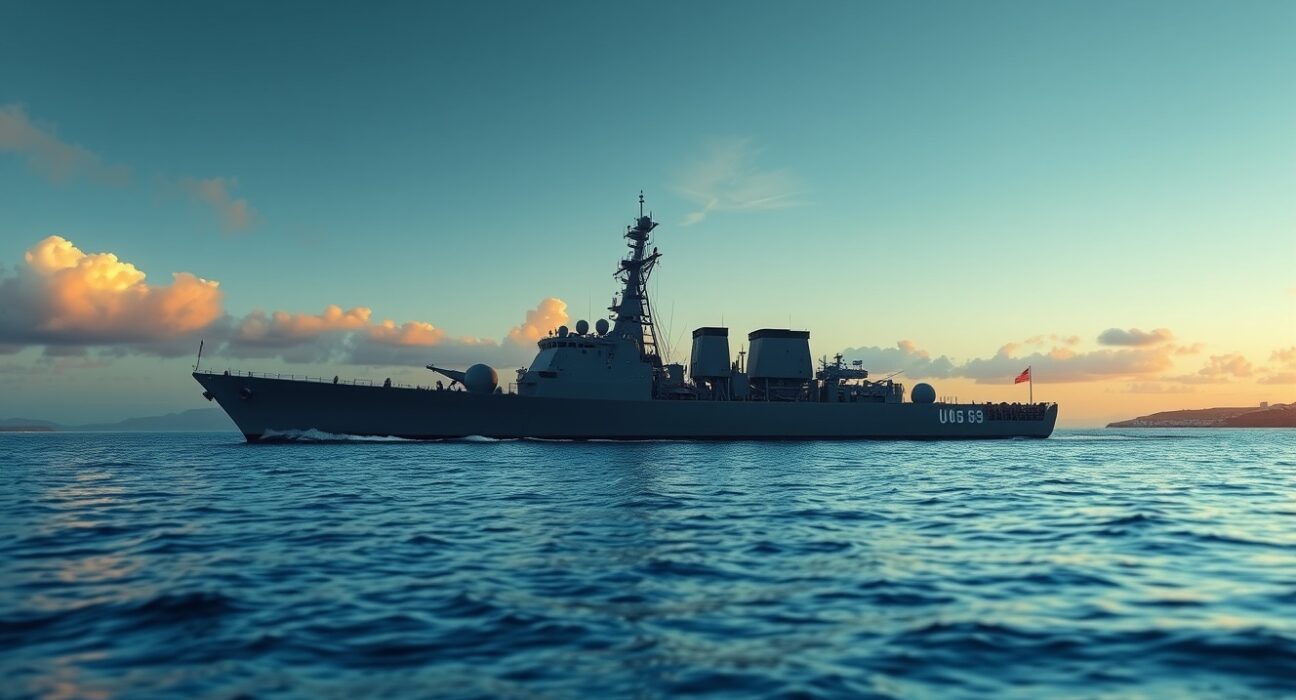
The Joint Maritime Information Center (JMIC), a multinational maritime security coordination body led by the U.S. Navy, has announced a sweeping blockade of all vessel traffic in Iranian coastal waters and ports, effective 8:00 p.m. UTC on July 13. The directive applies to ships of all nationalities and marks a significant escalation in maritime enforcement measures against Iran.
Scope and Rationale of the Blockade
The JMIC stated that the measure is intended to prevent unauthorized maritime activity along Iran’s coastline, including potential arms smuggling, sanctions evasion, and threats to commercial shipping. The blockade covers all Iranian ports and adjacent coastal areas, effectively cordoning off Iran’s maritime access from international vessel traffic.
While the JMIC has not publicly detailed specific triggers for the action, the announcement follows months of heightened tensions in the Persian Gulf and Strait of Hormuz, where Iran has been accused of harassing commercial vessels and supporting proxy forces in the region.
Implications for Global Shipping and Energy Markets
The blockade directly impacts one of the world’s most critical maritime chokepoints. The Strait of Hormuz, which lies near Iran’s southern coast, handles approximately 20% of global oil transit daily. Any disruption to shipping in this area could trigger volatility in energy prices and supply chains.
Commercial shipping operators and insurance firms are likely to adjust routing and risk assessments immediately. Vessels that normally transit Iranian waters or call at Iranian ports will need to reroute or face interception. The JMIC has not yet specified enforcement protocols, including whether boarding, inspection, or diversion measures will be used.
Regional and Diplomatic Reactions
The announcement is expected to draw strong condemnation from Tehran and potentially from other nations that maintain trade relations with Iran. The blockade may also complicate ongoing diplomatic efforts related to Iran’s nuclear program and regional security frameworks.
Analysts note that the JMIC’s action, while led by the U.S. Navy, involves participation from allied naval forces, suggesting a coordinated multinational stance. However, the legal basis for a peacetime blockade of this scope remains contested under international maritime law.
Conclusion
The JMIC’s blockade of Iranian coastal vessel traffic represents a major operational shift in maritime security policy. The measure will have immediate effects on shipping, energy markets, and regional diplomacy. As the July 13 deadline approaches, stakeholders across the maritime and geopolitical landscape are closely monitoring developments and preparing for a range of contingencies.
FAQs
Q1: What is the Joint Maritime Information Center (JMIC)?
The JMIC is a multinational maritime security coordination center led by the U.S. Navy that shares intelligence and coordinates responses to maritime threats, including piracy, smuggling, and hostile state activity.
Q2: Will the blockade affect commercial ships not heading to Iran?
The blockade targets vessel traffic in Iranian coastal waters and ports. Ships transiting international waters outside these zones are not expected to be affected, though rerouting may be necessary for safety.
Q3: What happens if a vessel violates the blockade?
The JMIC has not released specific enforcement details, but typical measures could include warning, interception, boarding, inspection, or diversion to a designated port. Vessels are advised to comply with JMIC directives to avoid escalation.
Disclaimer: The information provided is not trading advice, Bitcoinworld.co.in holds no liability for any investments made based on the information provided on this page. We strongly recommend independent research and/or consultation with a qualified professional before making any investment decisions.
