

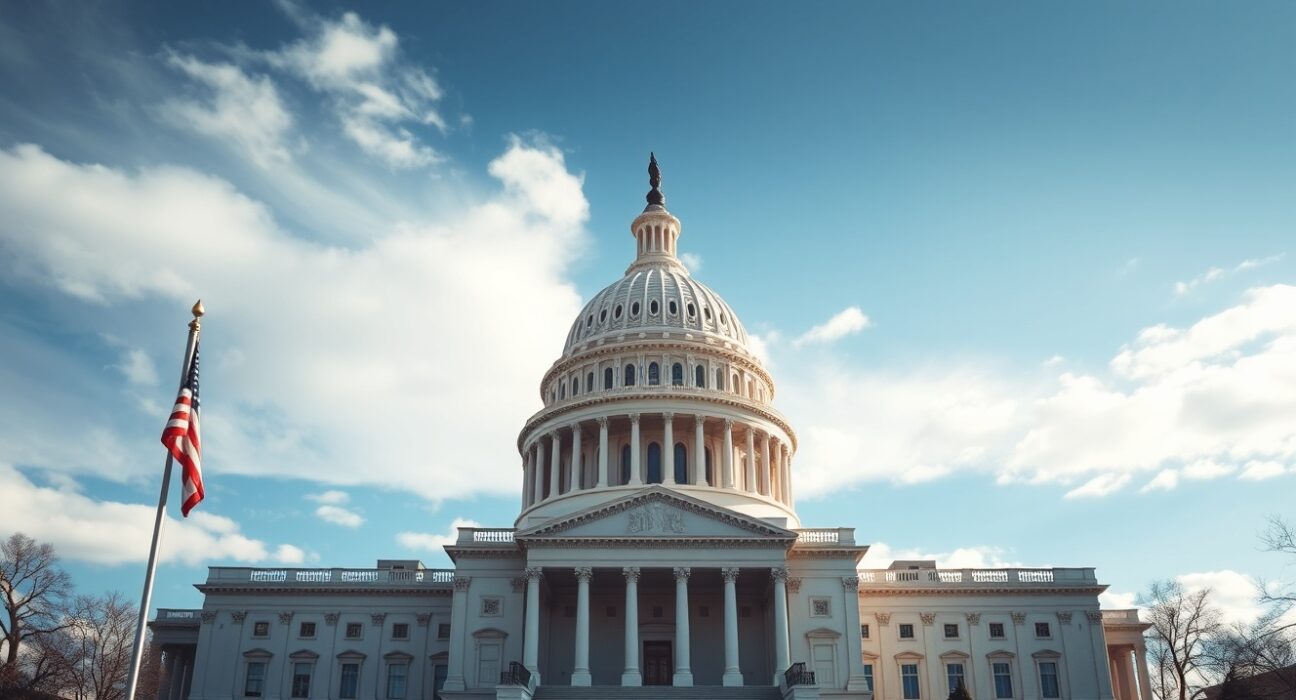
The United States Senate is expected to resume debate on the Clarity Act this week as lawmakers return to Washington following the Memorial Day holiday, according to reports. The legislation, which aims to establish a federal framework for digital asset regulation, faces significant political hurdles as key stakeholders voice concerns.
Democratic Demands and Political Dynamics
The Democratic Party has signaled it will not support the Clarity Act unless it includes provisions designed to prevent conflicts of interest for public officials. This demand adds a layer of complexity to an already contentious legislative process, as both parties seek to shape the future of cryptocurrency oversight. The conflict-of-interest language is seen by some analysts as a direct response to recent controversies involving elected officials and their financial holdings in digital assets.
Jamie Dimon and Industry Opposition
JPMorgan Chase CEO Jamie Dimon has also expressed opposition to certain provisions within the bill. Dimon, a long-time skeptic of cryptocurrencies, has previously criticized Bitcoin and other digital assets, but his stance on the Clarity Act specifically targets regulatory language that he argues could create unintended consequences for traditional financial institutions. His opposition carries weight given JPMorgan’s influence in both the banking sector and Washington policy circles.
Timeline and Potential Vote
Industry observers are closely monitoring the legislative calendar, with a possible Senate vote on the Clarity Act expected around August. The timeline remains fluid, however, as negotiations over amendments and bipartisan support continue behind closed doors. The bill’s path forward will likely depend on whether sponsors can address Democratic concerns while maintaining Republican backing.
What the Clarity Act Means for Crypto Markets
The Clarity Act represents one of the most significant attempts by Congress to create a comprehensive regulatory framework for digital assets. If passed, it would establish clear rules for token classification, exchange registration, and investor protections. For the cryptocurrency industry, which has long operated in a regulatory gray area, the bill could provide much-needed legal certainty. However, the ongoing debate underscores the deep divisions among policymakers over how to balance innovation with consumer safeguards.
Conclusion
As the Senate resumes debate this week, the Clarity Act remains at a critical juncture. The outcome will have far-reaching implications for the cryptocurrency industry, traditional finance, and the broader regulatory landscape. With Democrats demanding conflict-of-interest protections and powerful voices like Jamie Dimon pushing back, the path to a final vote is far from certain.
FAQs
Q1: What is the Clarity Act?
The Clarity Act is a proposed federal bill that seeks to establish a regulatory framework for digital assets, including cryptocurrencies, in the United States. It aims to define how tokens are classified and how exchanges must operate.
Q2: Why are Democrats demanding conflict-of-interest provisions?
Democrats argue that without conflict-of-interest rules, public officials could use their positions to benefit personal holdings in digital assets. The provisions are intended to prevent insider trading and ethical violations.
Q3: When is the Senate expected to vote on the Clarity Act?
Industry observers anticipate a possible Senate vote around August, though the timeline depends on ongoing negotiations and the resolution of key disagreements among lawmakers.
Disclaimer: The information provided is not trading advice, Bitcoinworld.co.in holds no liability for any investments made based on the information provided on this page. We strongly recommend independent research and/or consultation with a qualified professional before making any investment decisions.
