

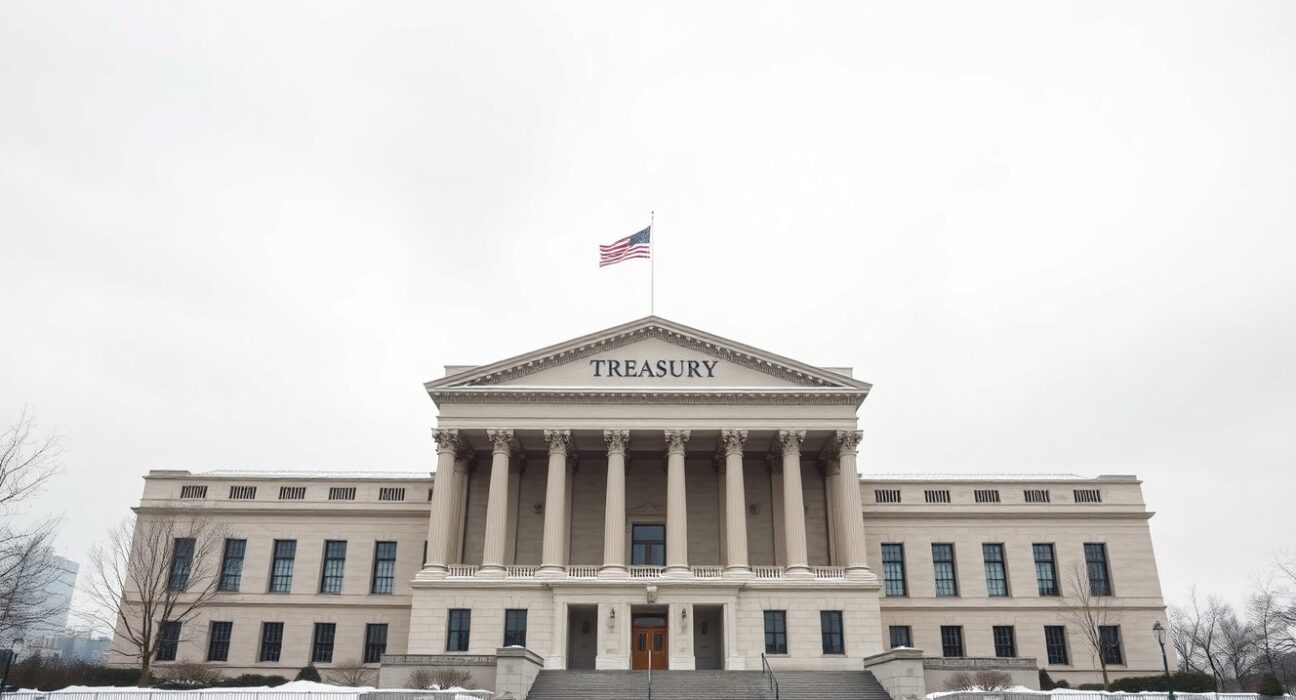
The US Treasury Department has announced new sanctions related to Iran, escalating financial restrictions against the nation. This move targets specific entities and individuals linked to Iran’s financial networks. The announcement, made on the Treasury’s official website, signals a continued hardline approach from Washington. These measures come amid ongoing tensions over Iran’s nuclear program and regional activities.
US Treasury Iran Sanctions: Scope and Targets
The new sanctions focus on disrupting Iran’s access to the global financial system. They specifically target networks that facilitate illicit financial flows. The Treasury Department has designated several entities and individuals. These designations freeze any US-based assets and prohibit American citizens from engaging in transactions with them. This action directly impacts Iran’s ability to fund its military and proxy groups.
According to the Treasury’s press release, the sanctions aim to cut off revenue streams used for destabilizing activities. The targets include front companies and financial facilitators. These entities often operate in sectors like metals, mining, and construction. By blocking these channels, the US hopes to limit Iran’s economic maneuverability. This strategy aligns with broader US policy to isolate Iran financially.
Impact on Cryptocurrency and Digital Assets
This announcement carries significant implications for the cryptocurrency sector. Iran has increasingly turned to digital assets to bypass traditional sanctions. The US Treasury has previously warned about this trend. Now, these new restrictions explicitly target crypto-related activities. They prohibit any transactions involving digital currencies that benefit sanctioned Iranian entities.
Experts note that Iran uses Bitcoin and other cryptocurrencies for trade. This method helps the nation avoid the dollar-dominated banking system. The new sanctions close this loophole more tightly. They require crypto exchanges to implement stricter compliance measures. Any exchange facilitating transactions with sanctioned Iranian addresses faces penalties. This development pressures global crypto platforms to enhance their screening processes.
Expert Analysis on Financial Warfare
Dr. Sarah Jenkins, a sanctions expert at the Atlantic Council, explains the significance. She states that these measures represent a new phase in financial warfare. The Treasury is now explicitly targeting digital finance. This move acknowledges the growing role of cryptocurrency in evading sanctions. It also sets a precedent for future regulatory actions.
Other analysts point to the timing of the announcement. It coincides with stalled nuclear negotiations. The US appears to be using economic pressure as a primary tool. This strategy has mixed results historically. However, the inclusion of cryptocurrency targets shows adaptation to new financial technologies.
Timeline of US Iran Sanctions
To understand this development, consider the broader timeline. The US reimposed sanctions on Iran in 2018 after leaving the nuclear deal. Since then, the Treasury has added numerous designations. Key milestones include:
- 2018: Reimposition of nuclear-related sanctions
- 2020: Targeting of Iran’s metals and mining sectors
- 2022: Sanctions on entities supporting Iran’s drone program
- 2024: Expanded restrictions on petrochemical exports
- 2025: New sanctions including cryptocurrency networks
Each phase has tightened the economic noose. The latest round represents a logical extension of this policy. It closes gaps that Iran previously exploited.
Global Reactions and Market Effects
International reactions have been mixed. European allies have expressed cautious support. They emphasize the need for diplomatic solutions alongside sanctions. Russia and China have condemned the move. They argue it violates international law and harms ordinary Iranians. Oil markets showed limited immediate reaction. Prices remained stable as traders anticipated this development.
The cryptocurrency market experienced minor volatility. Bitcoin prices dipped briefly on the news. Analysts attribute this to uncertainty about enforcement. Major exchanges like Coinbase and Binance have not yet commented. They are likely reviewing their compliance protocols.
Legal and Compliance Implications
For businesses and financial institutions, compliance is now more complex. The new sanctions require enhanced due diligence. Companies must screen all transactions against updated lists. This includes transactions involving digital wallets and decentralized finance platforms. Failure to comply results in severe penalties. The Treasury’s Office of Foreign Assets Control (OFAC) actively enforces these rules.
Legal experts advise firms to update their sanctions screening software. They should also train staff on identifying red flags. Common red flags include transactions from high-risk jurisdictions. Another red flag is the use of privacy coins or mixers. These tools often obscure transaction trails.
Historical Context of US Iran Policy
The US has used sanctions against Iran since the 1979 hostage crisis. These measures have evolved over decades. Early sanctions focused on specific goods. Later versions targeted entire sectors. The current approach is comprehensive. It aims to cripple Iran’s economy entirely. Critics argue this strategy hurts civilians more than the government. Supporters claim it forces Tehran to negotiate.
The effectiveness of sanctions remains debated. Iran has developed coping mechanisms. These include barter trade and using intermediary countries. However, the cumulative effect is significant. Iran’s currency has depreciated sharply. Inflation remains high. The new sanctions add another layer of difficulty for Iran’s leadership.
Conclusion
The US Treasury’s new sanctions related to Iran represent a significant escalation in financial pressure. By targeting both traditional and digital financial networks, the US aims to isolate Iran further. These measures have immediate implications for global finance, cryptocurrency markets, and international diplomacy. Businesses must adapt quickly to remain compliant. The long-term effectiveness of this strategy will depend on enforcement and international cooperation. For now, the message from Washington is clear: the financial war against Iran continues with renewed vigor.
FAQs
Q1: What are the new US Treasury sanctions related to Iran?
The new sanctions target entities and individuals involved in Iran’s financial networks. They freeze US-based assets and prohibit transactions. The sanctions also explicitly cover cryptocurrency transactions.
Q2: How do these sanctions affect cryptocurrency users?
Cryptocurrency exchanges must now screen transactions for ties to sanctioned Iranian entities. Any transaction benefiting these entities is prohibited. Users may face account restrictions if they transact with sanctioned addresses.
Q3: Why is the US targeting cryptocurrency in Iran sanctions?
Iran has increasingly used cryptocurrency to bypass traditional financial sanctions. The US Treasury aims to close this loophole. This ensures that digital assets cannot be used to evade restrictions.
Q4: What should businesses do to comply with these sanctions?
Businesses should update their sanctions screening software. They must train staff on identifying red flags. Regular audits of transaction histories are also recommended. Consulting with legal experts is advisable.
Q5: Will these sanctions impact global oil prices?
Initial market reactions suggest limited impact on oil prices. However, if enforcement disrupts Iran’s oil exports significantly, prices could rise. The effect depends on how strictly the sanctions are enforced.
Q6: Can these sanctions be reversed?
Yes, sanctions can be reversed through executive action or congressional legislation. A change in US administration or a new nuclear deal could lead to their removal. Currently, no such reversal is anticipated.
Disclaimer: The information provided is not trading advice, Bitcoinworld.co.in holds no liability for any investments made based on the information provided on this page. We strongly recommend independent research and/or consultation with a qualified professional before making any investment decisions.
