

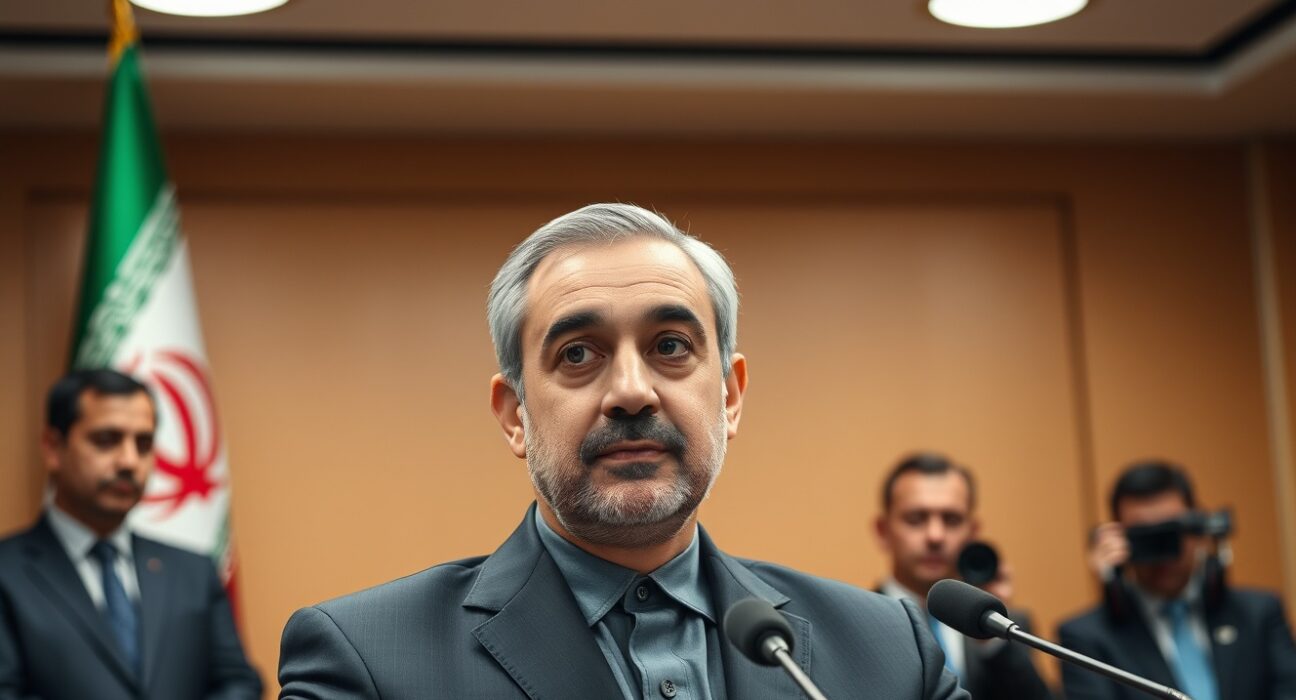
In a significant diplomatic statement from Tehran on March 15, 2025, Iranian Foreign Minister Abbas Araghchi declared that the United States has fundamentally failed to achieve its primary war objectives, including securing a quick victory and implementing regime change. This assessment comes amid ongoing regional tensions and represents a crucial development in Middle Eastern geopolitics.
US War Objectives Face Strategic Failure
According to reports from Walter Bloomberg, Foreign Minister Araghchi presented a detailed analysis of American military and political shortcomings. The Iranian official specifically highlighted two critical objectives that remain unfulfilled despite substantial US investment and engagement. First, the expectation of rapid military success has evaporated over time. Second, attempts to engineer political transformation through external pressure have consistently encountered resistance.
Military analysts note that modern conflicts rarely follow predicted timelines. Furthermore, regional powers have developed sophisticated counter-strategies. These approaches effectively prolong engagements and increase costs for intervening forces. Historical patterns suggest that external regime change efforts often face unexpected complications.
Geopolitical Context and Regional Dynamics
The current statement emerges within a complex international landscape. Regional alliances have shifted significantly in recent years. Additionally, economic partnerships have created new diplomatic realities. Several Middle Eastern nations now pursue more independent foreign policies than previous decades allowed.
Key regional developments include:
- Economic diversification reducing dependency on traditional partners
- Military modernization programs enhancing defensive capabilities
- Diplomatic mediation networks creating alternative conflict resolution channels
- Energy market transformations altering geopolitical leverage points
Expert Analysis of Strategic Implications
Security specialists emphasize several important considerations. Dr. Elena Rodriguez, a senior fellow at the International Security Institute, notes that “declarations of strategic failure often signal diplomatic repositioning rather than military assessment alone.” Similarly, Professor James Chen from Georgetown University observes that “such statements typically precede renewed negotiation efforts or policy adjustments.”
Historical comparisons reveal interesting patterns. For instance, similar declarations emerged during previous conflict phases. These statements frequently coincided with diplomatic openings or tactical shifts. The current timing suggests potential developments in regional dialogue frameworks.
Military and Political Assessment Framework
Objective evaluation requires examining multiple dimensions simultaneously. Military analysts typically assess several key indicators. These include territorial control, casualty ratios, and equipment losses. Political analysts examine governance stability, popular support, and institutional resilience.
| Metric Category | US Objectives | Current Status |
|---|---|---|
| Territorial Control | Rapid expansion | Limited consolidation |
| Political Transformation | Regime change | Institutional continuity |
| Economic Impact | Sanctions effectiveness | Adaptive responses |
| Diplomatic Isolation | International consensus | Multipolar engagement |
Furthermore, technological advancements have altered conflict dynamics. Drone warfare and cyber capabilities create new operational challenges. These developments complicate traditional military assessments. They also enable asymmetric responses from various actors.
Regional Stability and Future Projections
The Iranian assessment carries implications beyond immediate conflict zones. Neighboring states monitor these developments closely. Consequently, security arrangements may undergo revision. Economic partnerships might also experience realignment based on perceived power distributions.
Several factors will influence future developments:
- International diplomatic initiatives currently underway
- Economic recovery patterns in conflict-affected regions
- Technological diffusion affecting military balances
- Climate change impacts on resource competition
Diplomatic Channels and Communication Networks
Official statements often serve multiple diplomatic purposes. They communicate positions to various audiences simultaneously. Domestic constituents receive reassurance about national resilience. International observers gain insight into strategic thinking. Adversaries encounter clearly defined boundaries and expectations.
Communication timing frequently reveals underlying calculations. Announcements preceding major diplomatic events typically signal negotiation positions. Statements following military developments often address operational realities. The current declaration’s placement within broader diplomatic calendars merits careful examination.
Conclusion
The Iranian Foreign Minister’s declaration regarding failed US war objectives represents a significant moment in ongoing geopolitical assessments. This statement reflects complex regional dynamics and evolving strategic calculations. Furthermore, it highlights the enduring challenges of external intervention in sovereign affairs. The persistence of original governance structures despite substantial pressure suggests important lessons for future policy formulation. Ultimately, regional stability requires nuanced understanding of local realities alongside international considerations.
FAQs
Q1: What specific war objectives did the Iranian Foreign Minister reference?
The statement specifically mentioned two primary objectives: achieving a quick military victory and successfully implementing regime change through external pressure.
Q2: How does this assessment fit within broader regional diplomacy?
Such declarations typically occur within complex diplomatic contexts, often signaling negotiation positions or responding to specific developments in multilateral discussions.
Q3: What evidence supports claims about failed military objectives?
Analysis typically examines territorial control duration, casualty trends, equipment loss ratios, and the persistence of original governance institutions despite engagement.
Q4: How have regional powers adapted to prolonged conflict situations?
Adaptations include military modernization focusing on asymmetric capabilities, economic diversification reducing vulnerability, and diplomatic networking creating alternative partnership options.
Q5: What implications does this have for future international interventions?
The assessment suggests that external actors face significant challenges in achieving rapid political transformation, highlighting the importance of understanding local dynamics and historical contexts.
Disclaimer: The information provided is not trading advice, Bitcoinworld.co.in holds no liability for any investments made based on the information provided on this page. We strongly recommend independent research and/or consultation with a qualified professional before making any investment decisions.
