

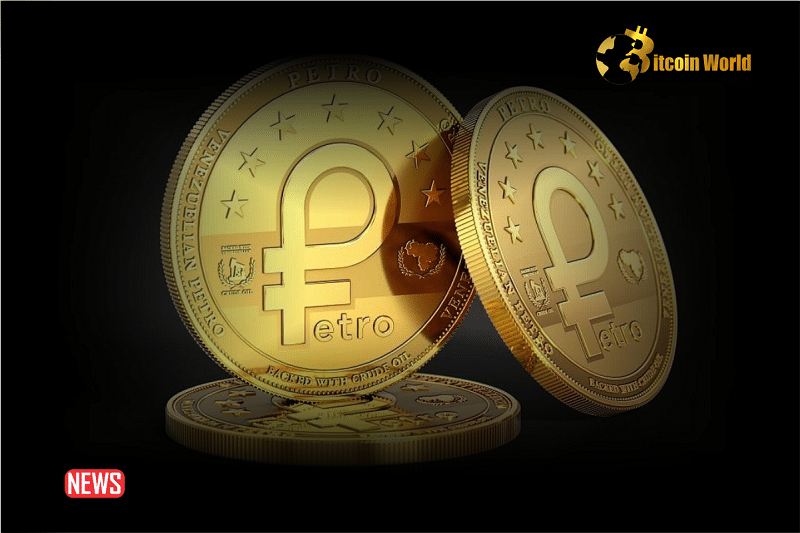
The Petro, Venezuela’s ambitious cryptocurrency experiment, has officially come to an end. Launched with the promise of revitalizing the nation’s struggling economy, the Petro’s journey was fraught with controversy and ultimately failed to achieve its goals. What went wrong, and what does this mean for the future of cryptocurrency in Venezuela?
The Rise and Fall of the Petro: A Timeline
President Nicolas Maduro introduced the Petro in 2018, envisioning it as a solution to Venezuela’s hyperinflation and economic woes. Here’s a look at the key milestones:
- 2018: Petro launched, backed by Venezuela’s oil reserves.
- 2019: United States sanctions a Russian bank for financing Petro.
- 2018-2024: Government attempts to integrate Petro into various services, including passport issuance and wage payments.
- 2024: Petro officially terminated amid corruption scandals and lack of adoption.
Why Did the Petro Fail?
Several factors contributed to the Petro’s demise:
- Lack of Trust: The Petro faced skepticism from the outset, with critics questioning its legitimacy and the government’s motives.
- Sanctions: US sanctions hampered the Petro’s ability to gain international traction.
- Limited Adoption: The Petro remained largely confined to the Patria Platform and never achieved widespread use.
- Corruption: A major corruption scandal involving crypto assets and oil operations sealed the Petro’s fate.
The Corruption Scandal: The Final Nail in the Coffin
The discovery of financial irregularities in the use of crypto assets for oil deals proved to be the final blow for the Petro. This scandal led to the resignation of key officials and a crackdown on Bitcoin mining, further eroding confidence in the government’s cryptocurrency initiatives.
What Happens Now?
The Venezuelan government is now converting any remaining Petro tokens into bolivars. However, the long-term impact of the Petro experiment on Venezuela’s economy and its relationship with cryptocurrency remains to be seen.
Key Takeaways
- The Petro’s failure highlights the challenges of creating a state-backed cryptocurrency.
- Trust and transparency are essential for the success of any cryptocurrency project.
- Corruption can undermine even the most ambitious economic initiatives.
The Petro’s story serves as a cautionary tale for other nations considering similar ventures. It underscores the importance of careful planning, transparency, and public trust in the digital currency space.
Disclaimer: The information provided is not trading advice, Bitcoinworld.co.in holds no liability for any investments made based on the information provided on this page. We strongly recommend independent research and/or consultation with a qualified professional before making any investment decisions.
