

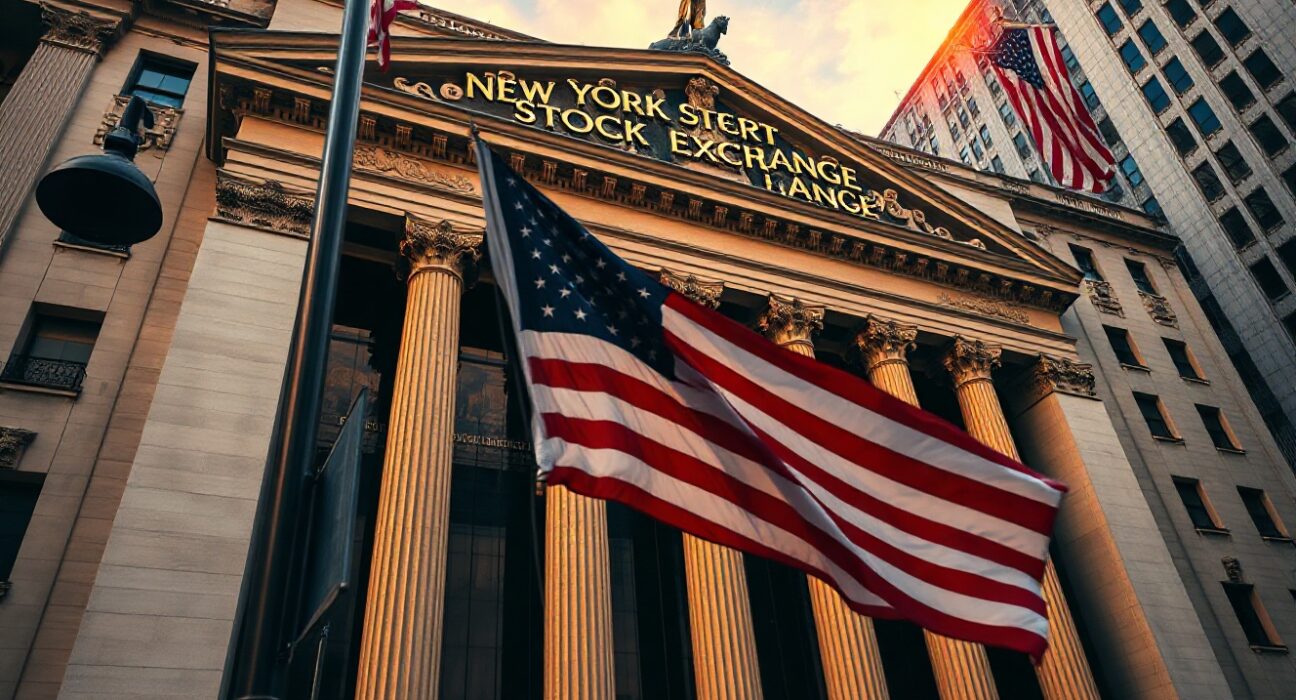
Wall Street is facing renewed scrutiny as allegations of systemic market manipulation have emerged, prompting calls for tighter regulatory oversight and raising questions about the fairness of U.S. financial markets.
What Are the Allegations?
Recent reports and expert analyses have detailed practices that critics say distort market integrity. These include the use of high-frequency trading algorithms that can front-run orders, dark pool executions that obscure price discovery, and coordinated efforts to influence asset prices through social media or other channels. While many of these practices are legal, the cumulative effect, according to some former regulators and academics, undermines the level playing field that retail investors expect.
The claims are not new, but they have gained renewed attention as retail trading participation has surged. A 2024 study by the Financial Industry Regulatory Authority (FINRA) found that retail investors now account for nearly 25% of all U.S. equity trading volume, up from 15% a decade ago. This shift has amplified concerns that sophisticated players may be taking advantage of less informed participants.
Regulatory Response and Historical Context
The Securities and Exchange Commission (SEC) has taken steps in recent years to address some of these concerns. In 2022, the SEC proposed new rules to enhance transparency in dark pools and require more frequent reporting of order execution quality. As of 2025, the SEC has also increased its focus on payment for order flow, a practice where brokers receive compensation for routing orders to specific market makers.
Historically, the U.S. has responded to market manipulation scandals with significant regulatory reforms. The Securities Exchange Act of 1934 was a direct response to the abuses that contributed to the 1929 crash. More recently, the Dodd-Frank Act of 2010 introduced the Volcker Rule to limit proprietary trading by banks. These precedents suggest that today’s allegations could lead to further rulemaking, but the process is often slow and contested by industry groups.
Why This Matters for Investors
For everyday investors, the perception of a rigged market can erode confidence and discourage participation. If market participants believe that prices are set by manipulative algorithms rather than fundamental supply and demand, they may be less likely to invest for the long term. This has broader economic implications, as healthy capital markets are essential for business financing and retirement savings.
Investors should be aware that while some practices are questionable, many are legal and have been part of the market structure for years. Understanding the mechanics of modern markets, including the role of market makers and the impact of high-frequency trading, can help investors make more informed decisions. However, the complexity of these systems also makes it difficult for regulators to fully monitor and enforce compliance.
Conclusion
The allegations of market manipulation on Wall Street are serious and have prompted renewed debate about the fairness of U.S. financial markets. While regulatory bodies like the SEC have taken some steps to address these issues, the evolving nature of trading technology presents ongoing challenges. For investors, staying informed about market structure and advocating for transparent, fair practices is essential to maintaining trust in the financial system.
FAQs
Q1: Is high-frequency trading illegal?
High-frequency trading itself is not illegal, but certain practices associated with it, such as spoofing or layering, are prohibited. The SEC and CFTC have brought enforcement actions against firms that engage in manipulative HFT strategies.
Q2: What is payment for order flow and why is it controversial?
Payment for order flow is a practice where brokers receive compensation for directing customer orders to specific market makers. Critics argue it can create conflicts of interest, while proponents say it reduces trading costs for retail investors. The SEC has considered new rules to increase transparency around this practice.
Q3: How can retail investors protect themselves from market manipulation?
Investors can protect themselves by using limit orders, diversifying their portfolios, and avoiding speculative trading based on unverified information. Additionally, staying informed about regulatory changes and market structure can help investors understand the risks involved.
Disclaimer: The information provided is not trading advice, Bitcoinworld.co.in holds no liability for any investments made based on the information provided on this page. We strongly recommend independent research and/or consultation with a qualified professional before making any investment decisions.
