

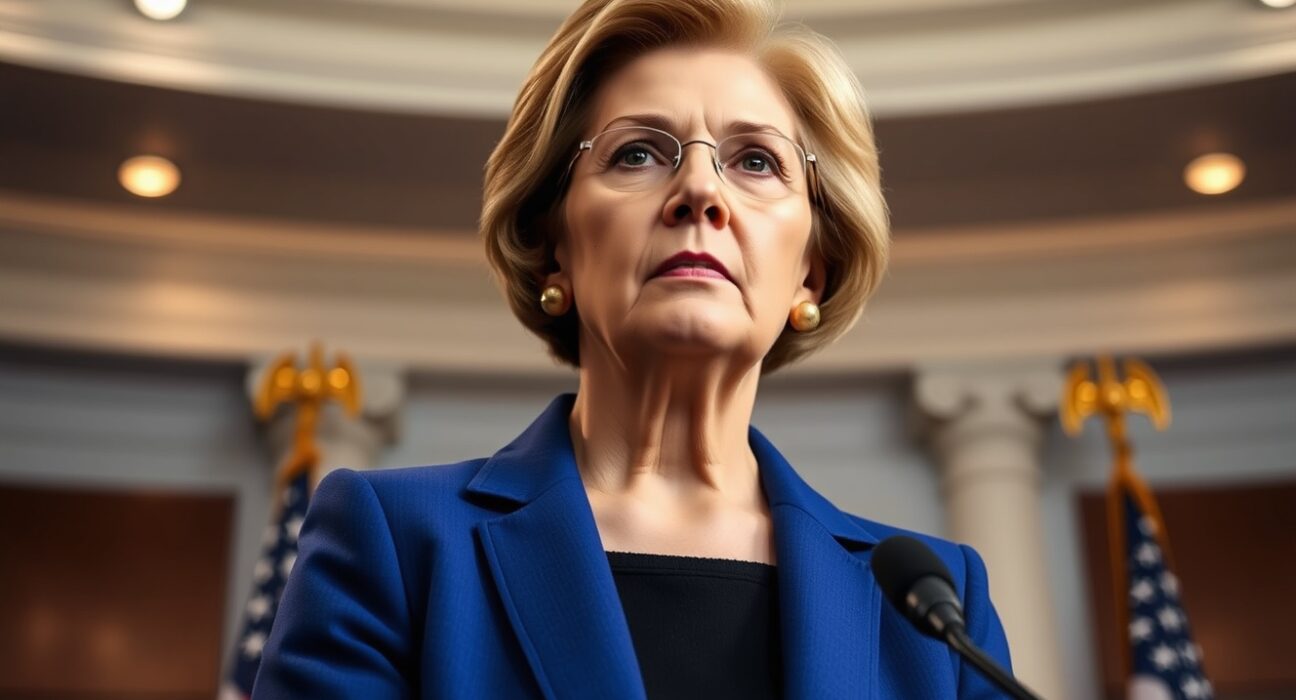
U.S. Senator Elizabeth Warren, a prominent critic of the cryptocurrency industry, has accused the Office of the Comptroller of the Currency (OCC) of failing to properly regulate digital asset firms that she says are effectively functioning as banks. In a letter addressed to the OCC, Warren argued that the agency has granted approvals to at least nine crypto companies in ways that may circumvent existing banking laws.
Warren’s Allegations and Specific Targets
According to a report by Bloomberg, Warren’s letter highlights a growing trend among stablecoin issuers that are seeking trust licenses to manage collateral assets. This practice has accelerated since the beginning of the second Trump administration. The Senator specifically named affiliates of Ripple, Paxos, and Coinbase as entities that have already received such approvals. She contends that these approvals allow crypto firms to operate much like traditional banks while evading the comprehensive oversight that banks are subject to under federal law.
Context and Regulatory Implications
The OCC is the primary federal regulator for national banks and federal savings associations. Its role in chartering crypto firms has been a point of contention as digital assets become more integrated into the financial system. Warren’s criticism reflects a broader concern among some lawmakers that the current regulatory framework is insufficient to address the unique risks posed by crypto firms, particularly those issuing stablecoins or holding customer assets. The letter underscores a growing divide between those who advocate for stricter oversight and those who argue that innovation should not be stifled by outdated banking rules.
Why This Matters to Consumers and the Market
For consumers, the debate centers on protections such as deposit insurance, capital requirements, and anti-fraud safeguards that apply to traditional banks but may not extend to crypto firms. If these firms are operating without equivalent oversight, customers could face greater risks in the event of a failure or mismanagement. For the broader market, Warren’s challenge to the OCC could lead to increased regulatory scrutiny, potential legal battles, or new legislation that would reshape how crypto companies interact with the U.S. banking system.
Conclusion
Senator Warren’s letter adds to a growing chorus of regulatory concerns surrounding the crypto industry. The OCC has not yet publicly responded to her allegations. As the debate over crypto regulation intensifies, the outcome of this dispute could have significant implications for how digital asset firms are classified and supervised in the United States.
FAQs
Q1: What is the OCC’s role in regulating crypto firms?
The OCC charters and supervises national banks and federal savings associations. In recent years, it has also granted trust charters to some crypto firms, allowing them to engage in certain banking-like activities such as custody and asset management.
Q2: Why does Senator Warren believe crypto firms are operating as banks?
Warren argues that stablecoin issuers and other crypto companies that receive trust licenses are effectively performing banking functions, such as holding customer funds and managing collateral, but without the same level of regulatory oversight required of traditional banks.
Q3: Which crypto firms are mentioned in Warren’s letter?
Warren specifically named affiliates of Ripple, Paxos, and Coinbase as examples of companies that have received approvals from the OCC to operate in a manner she considers similar to banks.
Disclaimer: The information provided is not trading advice, Bitcoinworld.co.in holds no liability for any investments made based on the information provided on this page. We strongly recommend independent research and/or consultation with a qualified professional before making any investment decisions.
