
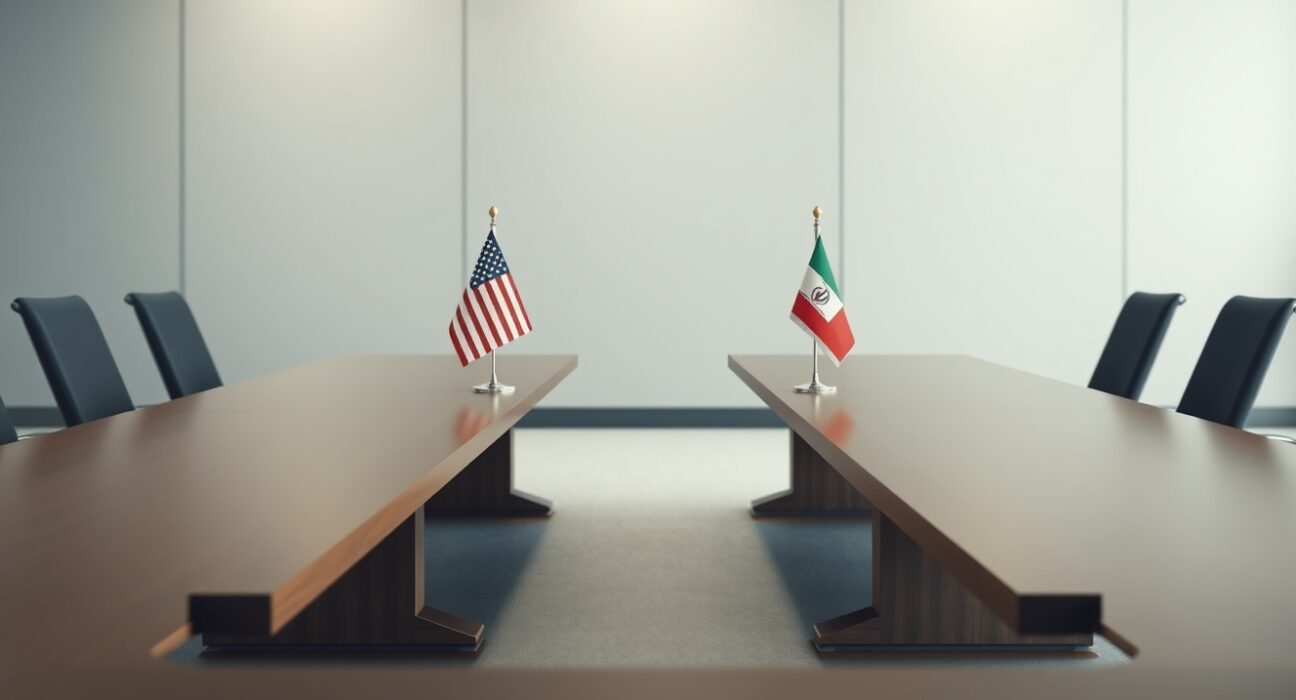
WASHINGTON, D.C. – In a significant development for international diplomacy, the White House has confirmed it is actively considering the resumption of in-person talks with Iran, though officials stress no final agreement has been reached. This potential shift comes amidst a complex geopolitical landscape and could mark a pivotal moment in a relationship long defined by tension and sporadic dialogue.
White House Iran Talks: The Current Diplomatic Calculus
Administration spokespersons clarified the situation recently. They emphasized that while direct, face-to-face negotiations are under serious review, the framework and timing remain undecided. Consequently, this deliberation represents a careful, strategic evaluation rather than a finalized policy shift. Historically, communication between the two nations has oscillated between multilateral forums and indirect exchanges.
For instance, recent discussions have often occurred through intermediaries in European capitals. Therefore, a move to in-person dialogue would signal a notable escalation in engagement. Experts point to several converging factors prompting this consideration. These include regional stability concerns, the stalled status of the Joint Comprehensive Plan of Action (JCPOA), and evolving security dynamics.
The Broader Context of US-Iran Relations
Understanding this potential move requires examining the recent history between Washington and Tehran. Relations have been fraught since the 1979 Iranian Revolution. However, the 2015 nuclear deal, known as the JCPOA, briefly created a channel for structured diplomacy. The U.S. withdrawal from the accord in 2018 under the previous administration dramatically heightened tensions.
Subsequently, a cycle of sanctions and escalatory actions followed. Since 2021, negotiations to revive the JCPOA have proceeded in fits and starts, primarily in Vienna. These talks have involved indirect U.S.-Iran communication. The current consideration of direct talks suggests a possible new tactic to break the persistent deadlock.
Expert Analysis on the Strategic Implications
Foreign policy analysts note several critical implications. First, in-person discussions could reduce misunderstandings that plague indirect talks. Second, they might create momentum for compromises on key sticking points. These points include the scope of sanctions relief and the extent of Iran’s nuclear rollbacks.
“Face-to-face dialogue offers a different quality of communication,” notes Dr. Elena Rodriguez, a senior fellow at the Center for Strategic Studies. “It allows for reading non-verbal cues and enables more spontaneous, problem-solving conversations that are difficult via intermediaries.” However, she cautions that domestic politics in both countries create substantial headwinds.
Regional actors are watching closely. Key U.S. allies, including Israel and several Gulf states, have expressed deep reservations about any agreement perceived as too lenient. Conversely, European powers generally support renewed diplomacy to address the nuclear issue and de-escalate regional conflicts.
Potential Impacts on Global Security and Markets
The ramifications of renewed U.S.-Iran diplomacy extend far beyond bilateral relations. A successful diplomatic track could have measurable effects on global energy markets and regional security architectures. For example, it could lead to a gradual return of Iranian oil to formal global markets, potentially easing price pressures.
Furthermore, it might influence conflicts where Iran holds sway, such as in Yemen or Syria. The following table outlines key potential areas of impact:
| Area of Impact | Potential Positive Effect | Potential Risk or Challenge |
|---|---|---|
| Nuclear Non-Proliferation | Restoration of monitoring, capped enrichment levels | Verification and long-term compliance disputes | Regional Stability | Reduced proxy conflict, maritime security improvements | Backlash from regional adversaries |
| Global Energy Markets | Increased oil supply, price stabilization | Market volatility during uncertain negotiations |
| Diplomatic Alliances | Strengthened transatlantic coordination on Iran | Strain in relations with key Middle East allies |
Domestic considerations also play a crucial role. In the United States, congressional sentiment remains deeply divided on Iran policy. Any final decision to proceed with talks will likely involve extensive consultations with legislative leaders. Similarly, Iranian leadership must balance hardline factions skeptical of Western engagement with pragmatic elements seeking economic relief.
The Path Forward and Procedural Hurdles
If the consideration moves to action, procedural questions will arise immediately. Officials would need to determine the location, level of representation, and agenda for initial meetings. Neutral venues like Geneva or Vienna are traditional choices for such sensitive diplomacy. The level of representation—whether senior envoys or higher-level officials—would signal the seriousness of the effort.
The agenda presents the most significant challenge. Negotiators would need to address a broad set of issues beyond the nuclear file. These issues include:
- Regional Security: Iran’s ballistic missile program and support for regional militias.
- Detainees: The release of foreign nationals held in Iran.
- Sanctions Architecture: The sequence and verification of sanctions relief.
Ultimately, the decision rests on a cold calculation of national interest. The administration must weigh the potential security benefits of renewed diplomacy against the political costs and execution risks. This process is inherently cautious and iterative.
Conclusion
The White House’s confirmation that it is considering in-person talks with Iran underscores the enduring complexity and high stakes of this relationship. While not yet a committed path, this deliberation reflects a pragmatic assessment of diplomatic tools available to manage a persistent challenge. The potential for direct White House Iran talks represents a critical juncture, offering both opportunity for breakthrough and risk of further stalemate. The coming weeks will reveal whether consideration transforms into concrete action, shaping the geopolitical landscape for years to come.
FAQs
Q1: What exactly did the White House say about talks with Iran?
The White House stated it is actively considering the possibility of resuming in-person, direct negotiations with Iranian officials. However, it explicitly noted that no final decision has been made, and the format, timing, and agenda remain undetermined.
Q2: Why are in-person talks significant compared to previous communication?
In-person talks are significant because they allow for more direct, nuanced, and potentially productive dialogue. Recent discussions have often been indirect, mediated through European allies or held in multilateral formats, which can slow progress and increase the risk of miscommunication.
Q3: What are the main obstacles to a successful negotiation?
Key obstacles include deep mutual distrust, disagreements over the sequence of sanctions relief and nuclear rollbacks, Iran’s regional activities, its ballistic missile program, and domestic political opposition in both countries to perceived concessions.
Q4: How would successful talks impact the global oil market?
If talks lead to a formal agreement and the lifting of U.S. sanctions on Iranian oil exports, it could bring a significant volume of crude back to the global market. This increase in supply could help stabilize or lower prices, depending on concurrent market conditions.
Q5: What is the likely next step if the White House decides to proceed?
The likely next steps would involve discreet, back-channel communication to agree on logistical details like location, participant level, and a preliminary agenda. This would probably be followed by an announcement and a first round of meetings, likely in a neutral European capital.
Disclaimer: The information provided is not trading advice, Bitcoinworld.co.in holds no liability for any investments made based on the information provided on this page. We strongly recommend independent research and/or consultation with a qualified professional before making any investment decisions.