

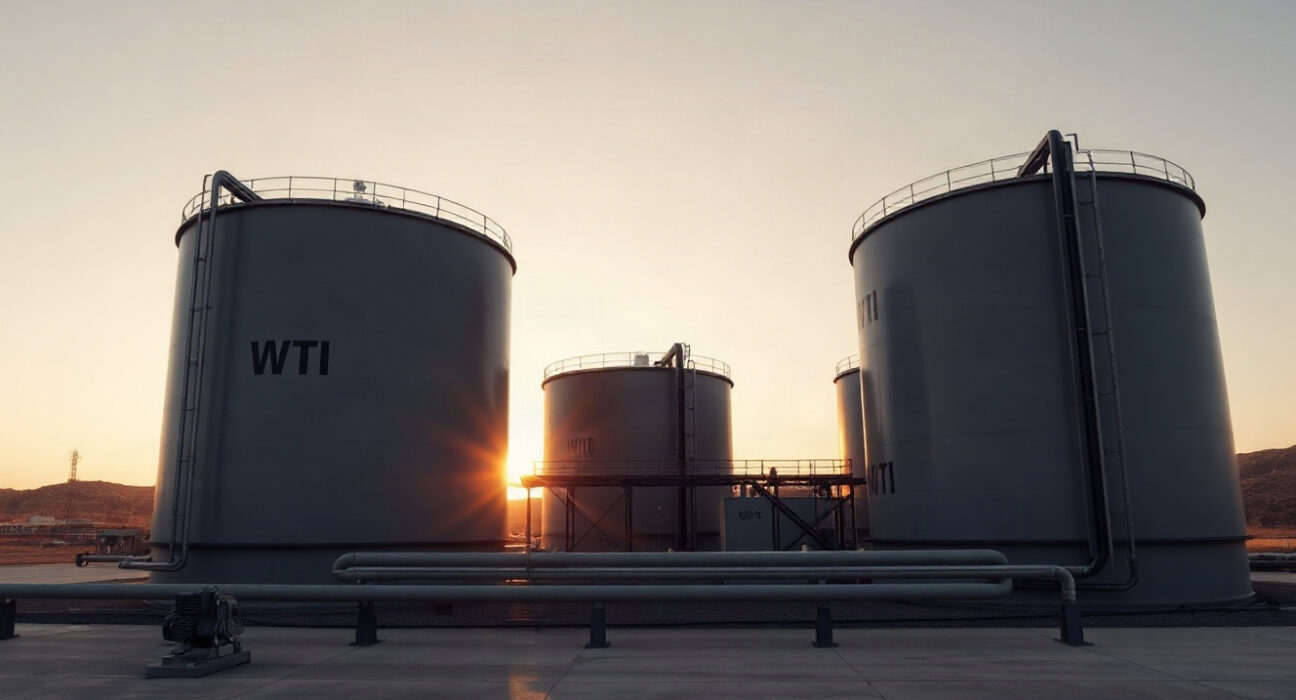
West Texas Intermediate (WTI) crude oil futures are holding losses near $79.00 per barrel on [current date], as investors weigh the potential for de-escalation in the Middle East against the prospect of increased supply from OPEC+.
Middle East Peace Talks and Supply Outlook
Ongoing diplomatic efforts to broker a ceasefire in the Middle East have reduced the geopolitical risk premium that had previously supported oil prices. Market participants are closely monitoring negotiations, as any lasting agreement could lead to a more stable supply outlook from the region.
At the same time, OPEC+ has signaled plans to gradually unwind voluntary production cuts, adding to expectations of a looser global oil balance in the coming months. This combination of easing geopolitical tensions and rising supply has kept a lid on price gains.
Market Reaction and Technical Levels
WTI crude has been trading in a narrow range around $79, with immediate support seen near the $78.50 level. On the upside, resistance is noted around $80.00, a psychological barrier that has proven difficult to break without fresh bullish catalysts.
Traders are also watching weekly inventory data and demand signals from major economies, as these factors could influence the next directional move. The current consolidation suggests the market is waiting for clearer signals on both the geopolitical and supply fronts.
Why It Matters
Oil prices are a key driver of global inflation and consumer energy costs. A sustained decline in crude could ease inflationary pressures, while a spike would have the opposite effect. For investors and businesses, understanding the dynamics behind these price movements is essential for planning and risk management.
Conclusion
WTI crude remains under pressure as peace talks and OPEC+ supply plans offset other factors. The market is likely to stay rangebound until more clarity emerges on the geopolitical situation and the pace of output increases. Traders should monitor developments closely, as any surprise could trigger a breakout.
FAQs
Q1: What is WTI crude oil?
West Texas Intermediate (WTI) is a grade of crude oil used as a benchmark in oil pricing. It is primarily produced in the United States and is known for its relatively low sulfur content.
Q2: How does OPEC+ output expansion affect oil prices?
When OPEC+ increases production, the global supply of oil rises, which typically puts downward pressure on prices, assuming demand remains constant.
Q3: Why are Middle East peace talks important for oil markets?
The Middle East is a major oil-producing region. Conflicts or tensions there can disrupt supply and push prices higher. Peace talks that reduce the risk of disruption can lead to lower prices.
Disclaimer: The information provided is not trading advice, Bitcoinworld.co.in holds no liability for any investments made based on the information provided on this page. We strongly recommend independent research and/or consultation with a qualified professional before making any investment decisions.
