

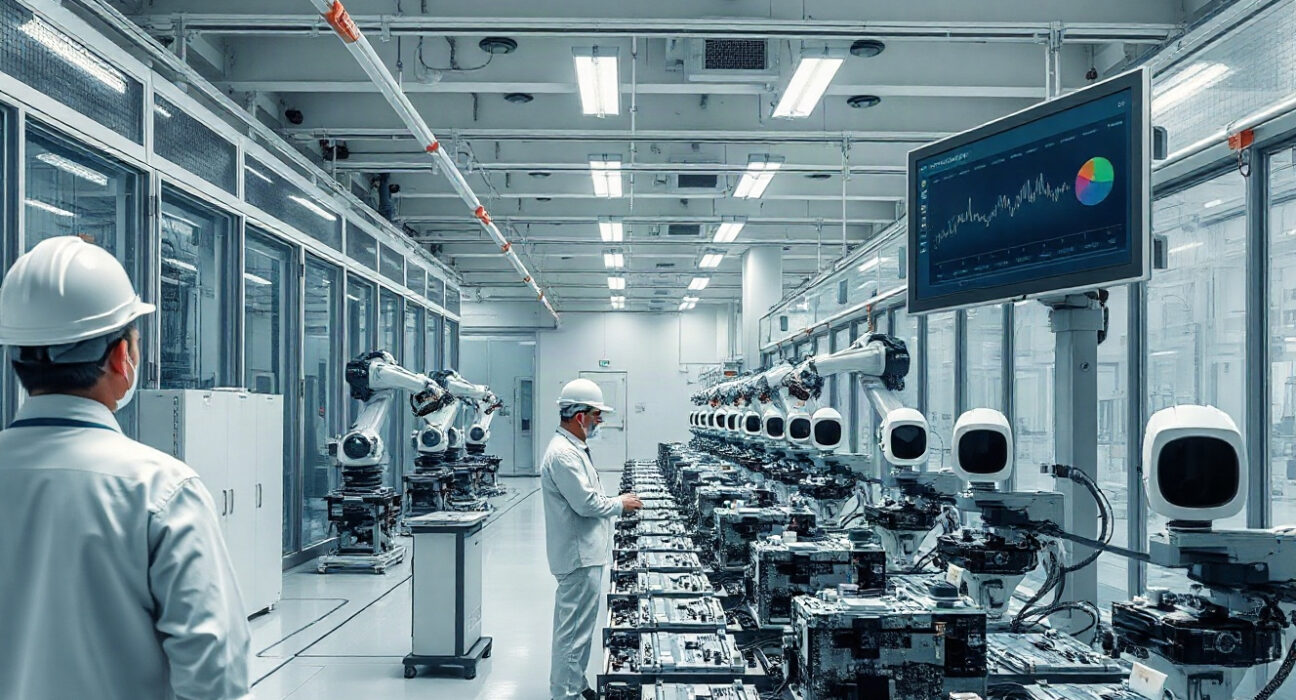
South Korea’s manufacturing sector expanded at its fastest pace in over two years this July, as the S&P Global Manufacturing Purchasing Managers’ Index (PMI) climbed to 53.1, up from 52.1 in June. The latest reading, released on August 3, signals a solid improvement in business conditions, driven by a sharp uptick in new orders and production output.
What is driving the surge in factory activity?
The July PMI reading of 53.1 points to a robust expansion in the manufacturing economy, with any figure above 50 indicating growth. According to the survey data, the primary catalyst was a strong increase in new export orders, particularly from key trading partners in the technology and semiconductor sectors. This rebound suggests that global demand for South Korean goods, especially memory chips and electronic components, is on a firm upward trajectory as the worldwide tech cycle recovers.
Production levels rose sharply in response to the influx of new work, with manufacturers reporting a need to replenish inventories and meet delivery deadlines. The employment sub-index also improved, hinting that firms are becoming more confident about the sustainability of the current upswing, leading them to expand their workforce to handle higher capacity utilization.
How do the latest figures compare to recent trends?
This is the fourth consecutive month of improvement for the index, which had been languishing in contraction territory (below 50) for most of 2023. The current reading is the highest since April 2022, when the index stood at 52.8. The steady climb from a low of 49.4 in March of this year indicates a clear inflection point in the business cycle.
Looking at the broader Asian context, South Korea’s performance is notably stronger than some of its regional peers. While other export-reliant economies have shown mixed signals, the South Korean data suggests that the country’s heavy weighting in high-value tech manufacturing is providing a significant competitive advantage. The data aligns with recent government trade figures, which showed exports rising for a tenth consecutive month in July, largely on the back of semiconductor sales.
Why this matters for the broader economy
The manufacturing sector is the backbone of the South Korean economy, accounting for a significant portion of its GDP and employment. The sustained expansion in factory activity is a leading indicator for overall economic health, as it often translates into higher corporate investment and consumer spending down the line. For global markets, a strong South Korean PMI is a positive signal for the health of the global supply chain, particularly for electronics and automobiles, where the country is a major supplier.
Furthermore, the positive data may influence the Bank of Korea’s monetary policy stance. With growth indicators strengthening, the central bank may feel less pressure to cut interest rates in the near term, even as inflation remains relatively contained. This could have implications for the Korean won and regional capital flows.
Conclusion
The July PMI data confirms that South Korea’s manufacturing sector is firmly in an expansionary phase, fueled by robust external demand and a rebound in the global tech industry. While the outlook remains positive, economists will be watching to see if this momentum can be sustained in the coming months, particularly given potential headwinds from global geopolitical tensions and the pace of monetary easing in major economies.
FAQs
Q1: What does a PMI reading of 53.1 mean for the South Korean economy?
A PMI reading above 50 indicates that the manufacturing economy is expanding compared to the previous month. A reading of 53.1 suggests a solid and accelerated rate of growth, signaling improved business conditions, higher production, and increased new orders.
Q2: What were the main factors behind the PMI increase in July?
The primary drivers were a sharp rise in new export orders, particularly in the technology and semiconductor sectors, and a corresponding increase in production output. This points to recovering global demand for South Korean manufactured goods.
Q3: How does this PMI data affect the Bank of Korea’s policy decisions?
Strong economic data like this gives the central bank more room to hold interest rates steady or potentially hike them if inflationary pressures build. It reduces the urgency for rate cuts aimed at stimulating growth, as the manufacturing engine is already running at a healthy pace.
Disclaimer: The information provided is not trading advice, Bitcoinworld.co.in holds no liability for any investments made based on the information provided on this page. We strongly recommend independent research and/or consultation with a qualified professional before making any investment decisions.
