

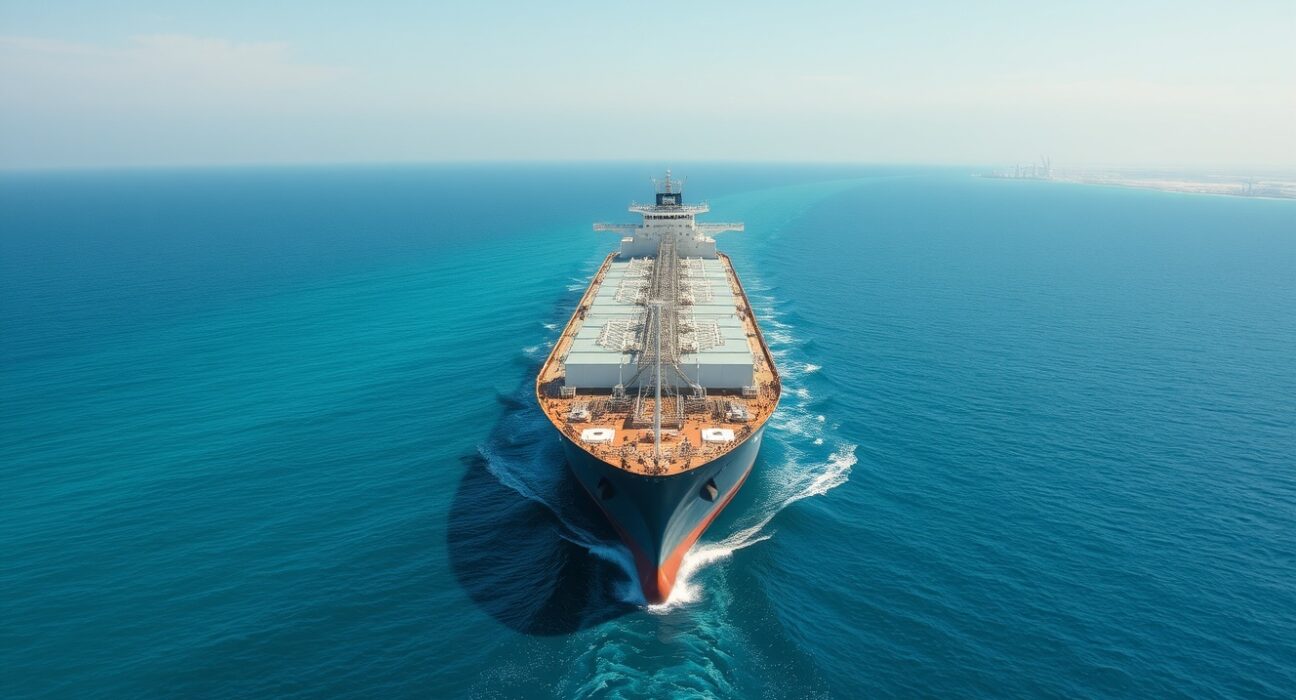
West Texas Intermediate (WTI) crude oil prices fell below $93.50 per barrel during Wednesday’s trading session, driven by growing market expectations that the Strait of Hormuz may soon reopen to normal shipping traffic. The decline reflects a partial unwinding of the geopolitical risk premium that had pushed prices higher in recent weeks amid heightened tensions in the region.
Market Reaction to Geopolitical Signals
The price move came after diplomatic sources indicated that negotiations between regional stakeholders have made progress toward de-escalating the situation around the strategic waterway. The Strait of Hormuz, a narrow passage between the Persian Gulf and the Gulf of Oman, is a critical chokepoint through which approximately 20% of the world’s oil passes. Any disruption to its operation can have immediate and significant effects on global energy markets.
Analysts noted that the market had priced in a substantial risk premium following recent incidents involving commercial vessels in the region. The prospect of the strait reopening has prompted traders to reassess supply risk, leading to profit-taking and downward price pressure.
Broader Context: Supply, Demand, and Inventories
The decline in WTI prices also comes against a backdrop of mixed fundamental signals. While geopolitical tensions had been supporting prices, U.S. crude inventories have been building in recent weeks, according to data from the Energy Information Administration (EIA). Rising stockpiles suggest that domestic supply is adequate to meet current demand, which has tempered some of the upward momentum.
Meanwhile, global demand concerns persist, particularly from major economies such as China and the European Union, where economic growth has slowed. The combination of easing geopolitical risk and steady supply has created a more balanced outlook for the near term.
Implications for Consumers and Producers
For consumers, lower oil prices could translate into reduced fuel costs at the pump, offering some relief after months of elevated energy prices. For producers, the price decline may squeeze margins, particularly for those with higher extraction costs. However, prices remain above the breakeven levels for most U.S. shale producers, suggesting that production is unlikely to be significantly curtailed in the immediate future.
Conclusion
WTI’s drop below $93.50 highlights the market’s sensitivity to geopolitical developments in the Persian Gulf. While the potential reopening of the Strait of Hormuz is a positive signal for supply stability, traders remain cautious. The situation remains fluid, and any setback in diplomatic efforts could quickly reverse the price decline. Investors and industry participants will continue to monitor diplomatic channels and inventory data for further direction.
FAQs
Q1: Why is the Strait of Hormuz important for oil prices?
The Strait of Hormuz is a narrow waterway through which about 20% of the world’s oil passes. Any disruption to shipping there can cause significant supply fears, pushing oil prices higher. Conversely, news of a potential reopening eases those fears and can lead to price declines.
Q2: What does WTI falling below $93.50 mean for gas prices?
WTI crude oil is a benchmark for U.S. gasoline prices. A sustained decline in WTI can eventually lead to lower prices at the pump, though the pass-through takes time and depends on refining capacity, distribution costs, and other factors.
Q3: Could prices rise again if the Strait of Hormuz situation worsens?
Yes. The market is highly sensitive to developments in the region. If diplomatic efforts fail or new incidents occur, the risk premium could return, pushing WTI prices back above $93.50 or higher. The situation remains unpredictable.
Disclaimer: The information provided is not trading advice, Bitcoinworld.co.in holds no liability for any investments made based on the information provided on this page. We strongly recommend independent research and/or consultation with a qualified professional before making any investment decisions.
