

West Texas Intermediate crude oil futures retreated on Tuesday, reversing gains from the previous session as renewed concerns over global oversupply weighed on market sentiment. The decline underscores the fragile nature of the recent price recovery, which had been driven by short-term supply disruptions and geopolitical tensions.
Market Drivers Behind the Decline
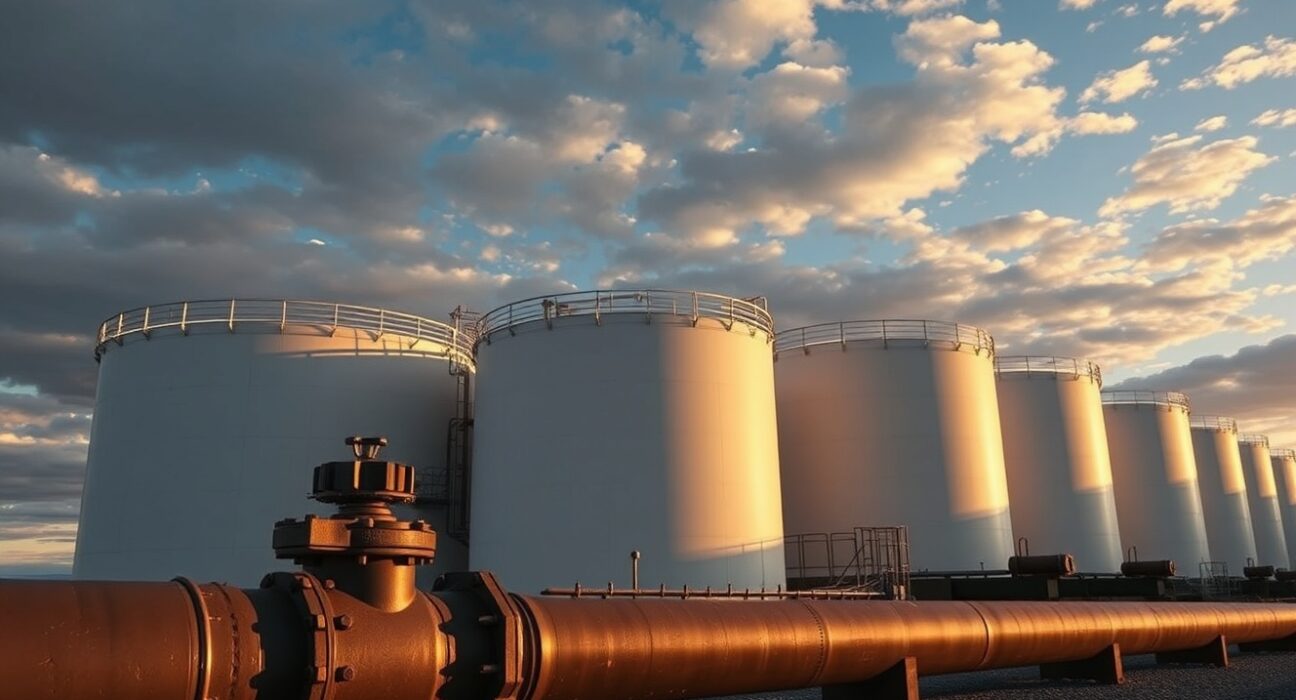
WTI for January delivery fell 1.8% to settle at $71.24 per barrel on the New York Mercantile Exchange, erasing much of Monday’s advance. The pullback came after industry data pointed to rising inventories at the Cushing, Oklahoma storage hub, the key delivery point for WTI futures. Traders interpreted the build as a signal that supply is outpacing demand in the near term.
Adding to the bearish outlook, the International Energy Agency revised its global demand growth forecast downward earlier this month, citing weaker economic activity in China and Europe. The agency now expects demand to grow by just 900,000 barrels per day in 2024, well below historical averages.
OPEC+ Strategy Under Scrutiny
The Organization of the Petroleum Exporting Countries and its allies, including Russia, have maintained production cuts totaling roughly 2.2 million barrels per day since early 2023. However, compliance with those cuts has been uneven, with some members exceeding their quotas. Iraq and Kazakhstan have been among the countries producing above agreed levels, undermining the group’s efforts to support prices.
OPEC+ is scheduled to meet on June 1 to discuss production policy for the second half of the year. Analysts expect the group to extend existing cuts, but any decision will be closely watched for signs of discord among members. A failure to reach consensus could trigger a further sell-off.
What This Means for Consumers and Investors
For consumers, lower oil prices could translate into modestly cheaper gasoline prices at the pump, though retail margins and taxes vary widely by region. The national average for regular unleaded gasoline in the United States has already fallen to $3.45 per gallon, down from $3.80 a month ago, according to AAA.
For investors, the current environment presents a mixed picture. Energy sector stocks have underperformed the broader market this year, with the S&P 500 energy index down roughly 4% year-to-date. Some analysts argue that valuations are becoming attractive, but caution that further downside risk remains if oversupply persists.
Conclusion
WTI oil’s latest decline highlights the persistent imbalance between supply and demand that has kept prices range-bound for much of the year. While geopolitical risks and OPEC+ policy provide intermittent support, the underlying fundamentals point to ample supply. Traders will now focus on weekly U.S. inventory data due Wednesday from the Energy Information Administration for confirmation of the build at Cushing. Until demand growth accelerates or supply is curtailed more aggressively, the path of least resistance for oil prices appears lower.
FAQs
Q1: Why did WTI oil prices fall today?
A: Prices fell due to rising inventories at the Cushing, Oklahoma storage hub, indicating oversupply. This outweighed support from recent geopolitical tensions and OPEC+ production cuts.
Q2: Will lower oil prices lead to cheaper gasoline?
A: Yes, lower crude oil prices typically translate to lower gasoline prices, though the impact depends on refinery margins, taxes, and regional distribution costs. The national average has already declined.
Q3: What is OPEC+ likely to do at its next meeting?
A: OPEC+ is expected to extend existing production cuts at its June 1 meeting. However, compliance issues among some members could complicate the decision and may limit the effectiveness of any new agreement.
Disclaimer: The information provided is not trading advice, Bitcoinworld.co.in holds no liability for any investments made based on the information provided on this page. We strongly recommend independent research and/or consultation with a qualified professional before making any investment decisions.
