

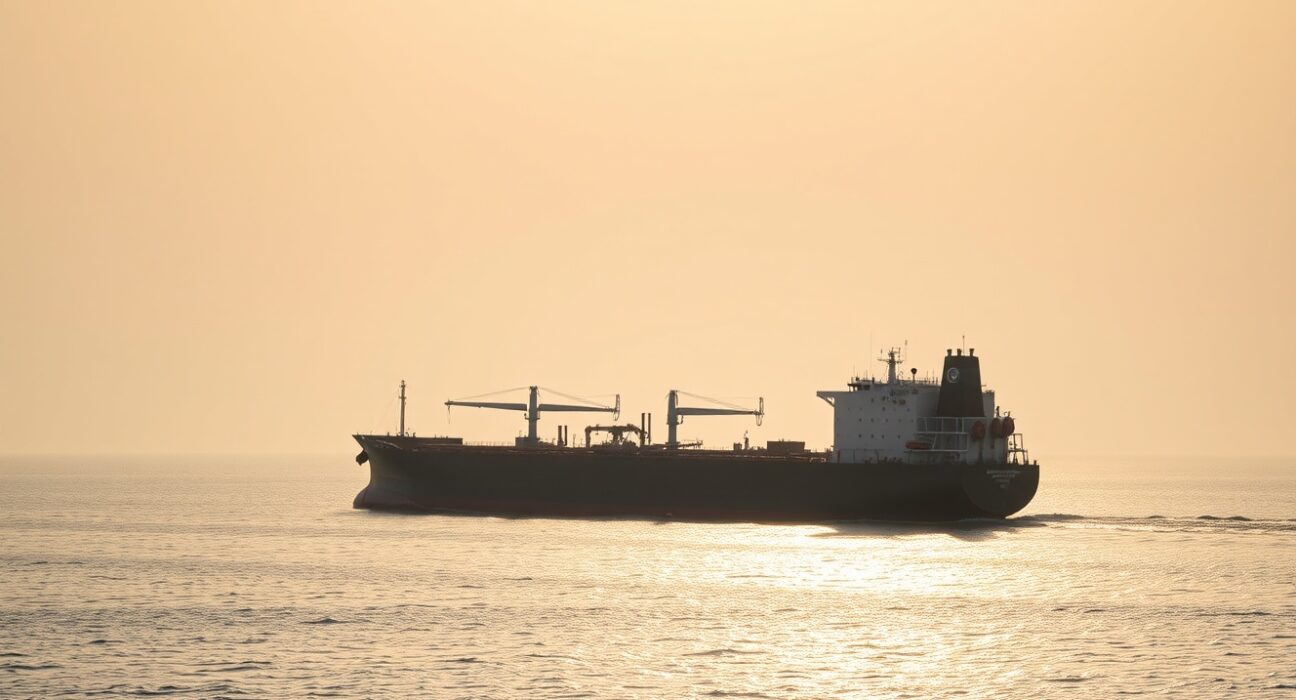
West Texas Intermediate (WTI) crude oil prices drifted closer to the $80.00 per barrel mark on Tuesday, as data indicated a slight increase in maritime traffic through the Strait of Hormuz, a critical chokepoint for global oil shipments. The uptick in vessel passages, while modest, has been interpreted by some market participants as a sign that supply routes remain open despite ongoing regional tensions, easing immediate supply disruption fears.
What Does the Rise in Hormuz Traffic Signal for Oil Markets?
The increase in traffic through the Strait of Hormuz, which handles roughly one-fifth of global oil consumption, suggests that shipping activity is continuing relatively normally. According to industry tracking data, the number of tanker transits has risen by a small percentage over the past week, which may reflect a reduction in perceived risk or simply routine scheduling. For traders, this development is significant because any sustained disruption in the strait could remove millions of barrels from the market, driving prices sharply higher. The current drift toward $80.00 indicates that the market is balancing geopolitical risk against actual supply availability.
Geopolitical Context and Supply Dynamics
The movement in WTI comes amid a backdrop of heightened geopolitical uncertainty, particularly involving Iran and its potential to affect shipping lanes. Earlier this year, tensions in the region led to temporary spikes in oil prices, but the market has since shown resilience as actual supply disruptions have been limited. The mild increase in Hormuz traffic aligns with this narrative: while the risk of a major blockage remains, the immediate data point suggests that oil flows are proceeding without major interruptions. Additionally, OPEC+ production policies and U.S. inventory levels continue to influence price direction, with traders closely watching for signs of supply tightness or surplus.
Why This Matters for Consumers and the Broader Economy
For consumers, a sustained move toward $80.00 in WTI can translate into higher gasoline prices and increased costs for goods that rely on transportation. For the broader economy, elevated oil prices can contribute to inflationary pressures, potentially influencing central bank policy decisions. The fact that prices are edging higher, rather than spiking, suggests that the market is absorbing the geopolitical news without panic, but it also highlights how vulnerable supply chains remain to any sudden escalation. Understanding these dynamics helps readers gauge the potential impact on their daily expenses and the economic outlook.
Conclusion
WTI crude oil’s approach to $80.00 per barrel, supported by a mild uptick in Hormuz traffic, reflects a market that is cautiously monitoring supply routes while maintaining relative stability. The absence of major disruption has allowed prices to drift rather than jump, but the situation remains fluid. As always, any significant change in shipping patterns or geopolitical events could quickly alter the outlook, making it essential for market watchers to stay informed.
FAQs
Q1: Why is the Strait of Hormuz important for oil prices?
The Strait of Hormuz is a narrow waterway between Iran and Oman through which about 20% of global oil consumption passes. Any disruption to shipping there can severely impact global supply and cause oil prices to rise.
Q2: What does an increase in Hormuz traffic mean for oil supply?
An increase in traffic suggests that tankers are moving through the strait without significant delays or threats, indicating that oil supply routes are functioning normally, which can help ease concerns about supply shortages.
Q3: How might higher oil prices affect everyday consumers?
Higher oil prices typically lead to higher gasoline prices, which can increase transportation costs for goods and services, potentially contributing to inflation and affecting household budgets.
Disclaimer: The information provided is not trading advice, Bitcoinworld.co.in holds no liability for any investments made based on the information provided on this page. We strongly recommend independent research and/or consultation with a qualified professional before making any investment decisions.
