

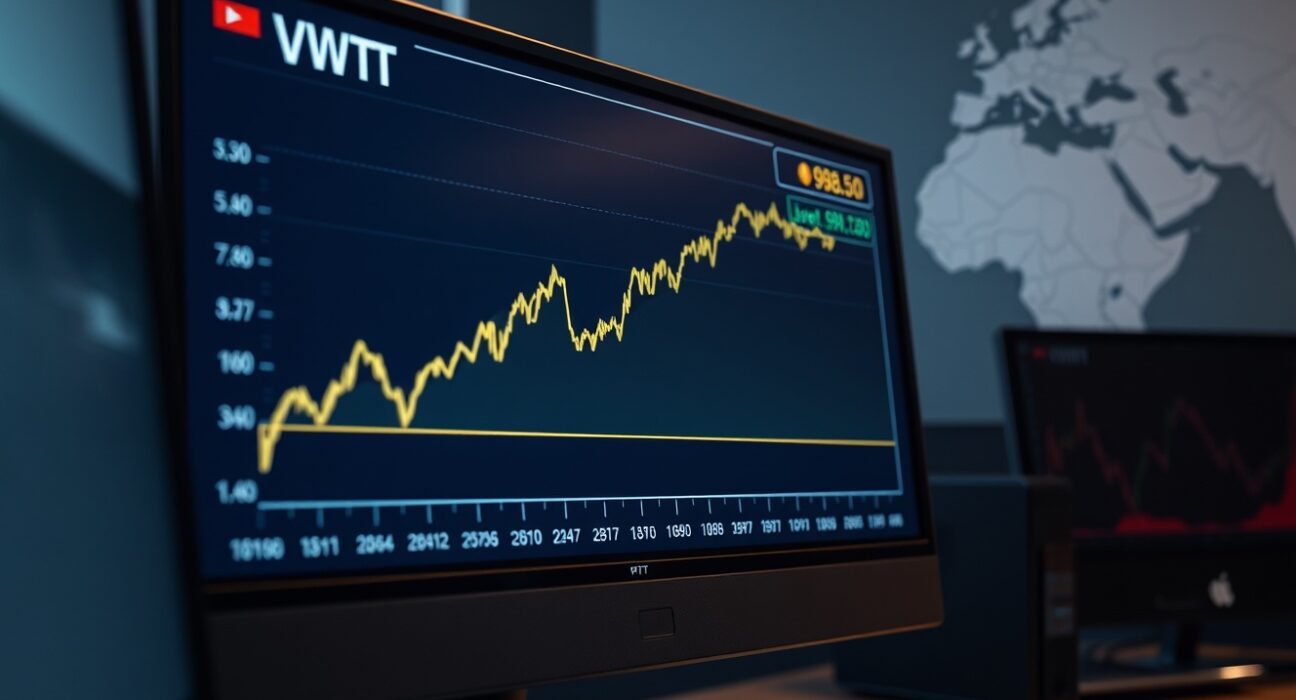
Global energy markets face renewed volatility as West Texas Intermediate crude oil maintains a critical position above $98.50 per barrel. This significant price threshold, observed in early 2025, reflects escalating investor anxiety over potential military conflict between the United States and Iran. Market analysts globally now monitor these developments closely, as they directly influence inflation, transportation costs, and economic stability worldwide.
WTI Oil Price Analysis and Current Market Position
West Texas Intermediate crude, the primary North American benchmark, demonstrates remarkable resilience above the $98.50 level. This price point represents a multi-month high, signaling strong bullish sentiment among traders. Furthermore, trading volumes have increased substantially across major commodities exchanges. The current price action suggests markets are pricing in a significant geopolitical risk premium. Consequently, energy sector stocks and related exchange-traded funds show correlated upward movement.
Several key technical indicators support the current bullish structure. The 50-day and 200-day moving averages both trend upward, providing dynamic support levels. Additionally, the Relative Strength Index approaches overbought territory, indicating strong buying pressure. Market participants, however, remain cautious about potential corrections. Historical data shows similar price levels often precede periods of heightened volatility, especially during geopolitical crises.
Geopolitical Context: US-Iran Tensions Escalate
The primary driver for this oil price surge involves deteriorating diplomatic relations between Washington and Tehran. Recent intelligence reports and official statements from both capitals indicate a dangerous escalation. Specifically, military deployments and naval exercises in the Persian Gulf have intensified. The strategic Strait of Hormuz, a vital chokepoint for global oil shipments, becomes a focal point of concern. Any disruption there could immediately remove millions of barrels per day from the market.
International observers note a troubling pattern of incidents over recent months. These include alleged cyberattacks on energy infrastructure and maritime confrontations. Diplomatic channels, meanwhile, show little progress toward de-escalation. The United Nations Security Council has convened multiple emergency sessions. Regional allies, including Saudi Arabia and Israel, monitor the situation with acute interest, given their direct security stakes.
Expert Analysis on Energy Market Impacts
Leading energy analysts from institutions like the International Energy Agency provide critical context. They emphasize that global oil inventories remain relatively tight. Spare production capacity, primarily held by a few OPEC+ nations, is limited. Therefore, the market possesses minimal buffer to absorb a supply shock. A military conflict involving Iran, a major producer, would likely cause immediate and severe supply disruptions.
Economists further warn about secondary effects on the global economy. Higher energy costs act as a tax on consumption and production. Central banks, already grappling with inflation, may face renewed pressure. Industries heavily reliant on transportation and petrochemicals would see profit margins compress. Consumers worldwide would experience higher prices for gasoline, heating oil, and countless manufactured goods.
Historical Precedents and Market Psychology
Financial markets often react to geopolitical events in predictable patterns. The 1990 Gulf War and the 2003 Iraq invasion provide relevant case studies. In both instances, oil prices spiked sharply on invasion fears, then partially retreated once military outcomes became clearer. However, sustained conflicts led to prolonged periods of elevated prices and market uncertainty. Traders currently weigh these historical lessons against today’s unique geopolitical landscape.
The current situation differs in several key aspects. Global energy demand has shifted significantly toward Asia. Supply chains have become more complex and interconnected. Additionally, the strategic importance of the Persian Gulf region for energy transit remains undiminished. Market psychology, therefore, balances fear of immediate disruption against longer-term structural factors.
- Supply Chain Vulnerabilities: Modern just-in-time inventory systems lack resilience against sudden shocks.
- Strategic Petroleum Reserves: Nations may coordinate releases, but reserves are finite.
- Alternative Routes: Pipelines bypassing the Strait of Hormuz have limited capacity.
- Producer Responses: Other OPEC+ members may increase output, but with a significant time lag.
Regional and Global Security Implications
Beyond oil markets, the stability of the entire Middle East hangs in the balance. Regional powers are recalibrating their foreign policies and security postures. The potential for a broader regional conflict, involving non-state actors and proxy forces, represents a grave risk. International diplomacy, led by European and Asian nations with heavy energy dependencies, works urgently to prevent escalation. The economic costs of conflict, measured in trillions of dollars, would far exceed any temporary gains in oil revenues.
Global security frameworks, established after previous conflicts, face their most severe test in decades. Multilateral institutions strive to maintain dialogue and establish conflict-resolution mechanisms. The principle of freedom of navigation in international waters becomes a central issue. Commercial shipping insurers have already raised premiums for vessels transiting the region, adding another cost layer to global trade.
Conclusion
The WTI oil price holding firmly above $98.50 serves as a stark financial barometer of geopolitical risk. It reflects deep market concerns about a potential US invasion of Iran and its catastrophic consequences for global energy security. While diplomatic efforts continue, markets prepare for multiple scenarios. Investors, policymakers, and consumers must monitor this situation closely, as its resolution will shape economic conditions for years to come. The stability of energy prices remains inextricably linked to peace and security in the Persian Gulf.
FAQs
Q1: Why is the $98.50 price level significant for WTI oil?
The $98.50 level represents a key technical and psychological resistance point that, when held, indicates strong bullish momentum and market acceptance of higher price ranges, often driven by geopolitical risk premiums.
Q2: How could a US-Iran conflict immediately affect global oil supply?
A conflict could immediately disrupt shipments through the Strait of Hormuz, which handles about 20% of global oil trade, potentially removing 15-20 million barrels per day from the market and triggering a supply crisis.
Q3: What are the main alternatives if Persian Gulf shipments are disrupted?
Alternatives include increased use of pipelines like the East-West Pipeline in Saudi Arabia, tapping strategic petroleum reserves, accelerating output from other regions, and rerouting tankers, though all have limited capacity or involve significant delays.
Q4: How do higher oil prices typically affect the global economy?
Higher oil prices increase production and transportation costs across all sectors, fueling inflation, reducing consumer disposable income, slowing economic growth, and creating challenges for central banks’ monetary policies.
Q5: What historical events compare to the current oil price situation?
Similar geopolitical-driven oil spikes occurred before the 1990 Gulf War (Iraq’s invasion of Kuwait) and the 2003 Iraq invasion, where prices surged on invasion fears then experienced volatility based on conflict duration and supply disruptions.
Disclaimer: The information provided is not trading advice, Bitcoinworld.co.in holds no liability for any investments made based on the information provided on this page. We strongly recommend independent research and/or consultation with a qualified professional before making any investment decisions.
