

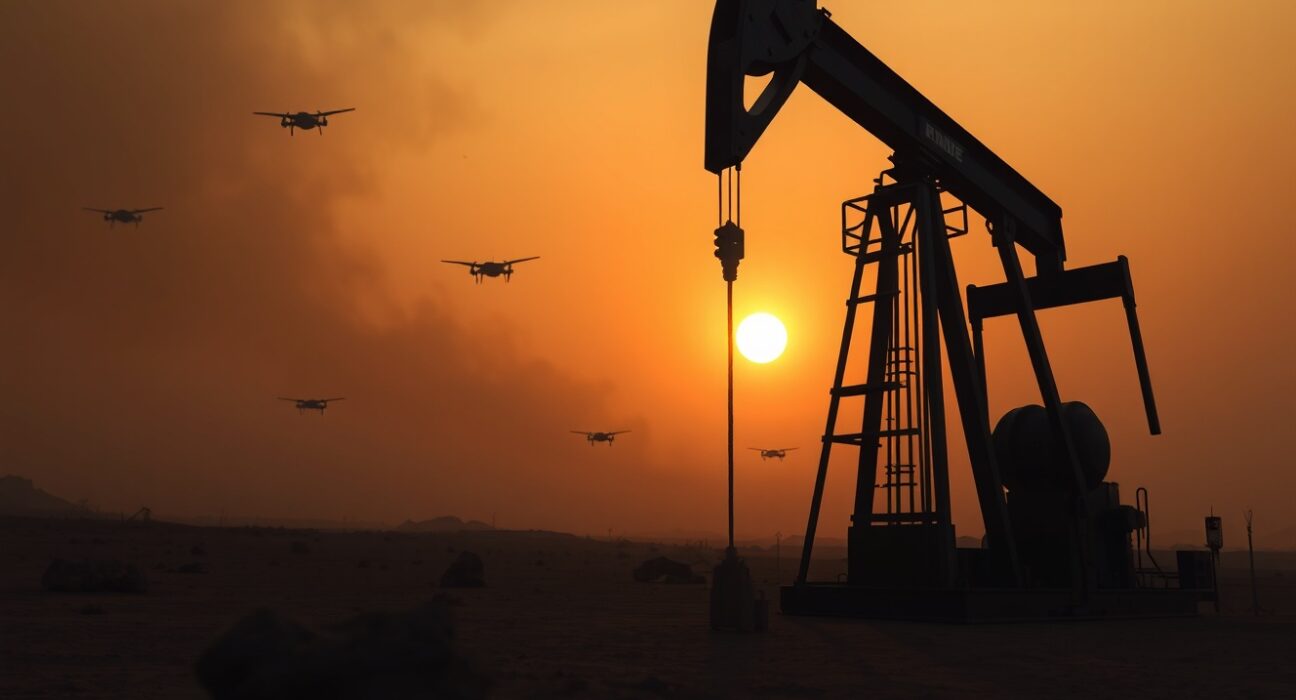
WTI crude oil prices have climbed to approximately $102.50 per barrel, driven by escalating supply concerns emanating from the Middle East. This sharp increase reflects growing market anxiety over potential disruptions to global oil flows from one of the world’s most critical producing regions. The surge underscores the delicate balance between geopolitical stability and energy security.
Geopolitical Tensions Fuel WTI Crude Oil Rally
The recent price jump in WTI crude oil stems directly from heightened geopolitical risks in the Middle East. Fresh hostilities and military posturing in key oil transit chokepoints have raised alarms among traders. Consequently, market participants are pricing in a higher risk premium for barrels transiting through the Strait of Hormuz, a narrow waterway through which about 20% of global oil passes.
Analysts at several major financial institutions have revised their short-term oil price forecasts upward. They now expect WTI to trade between $100 and $110 per barrel in the coming weeks if tensions persist. This marks a significant shift from earlier projections of a gradual decline toward $90.
Supply Chain Vulnerabilities and Market Response
Supply concerns are not limited to direct conflict risks. The market also worries about secondary effects, such as potential sanctions or voluntary production cuts by major regional producers. A brief timeline of recent events illustrates the rapid deterioration in sentiment:
- Week 1: Initial skirmishes near key oil infrastructure trigger a 5% price spike.
- Week 2: Major shipping insurers raise premiums for vessels in the region, adding $1-$2 per barrel in costs.
- Week 3: A regional producer announces a temporary reduction in output, citing security concerns.
- Week 4: WTI breaks above the psychological $100 barrier, reaching $102.50.
This sequence demonstrates how quickly a localized incident can escalate into a full-blown supply crisis. The market now watches for any diplomatic breakthroughs or further escalations.
Impact on Global Energy Markets and Consumers
The rise in WTI crude oil prices carries immediate consequences for global energy markets. Higher crude costs translate directly into increased gasoline and diesel prices for consumers. In the United States, the national average gasoline price has already risen by 15 cents per gallon over the past week.
Furthermore, the price surge affects industries reliant on petroleum-based feedstocks, including plastics, chemicals, and transportation. Airlines, shipping companies, and logistics firms face rising operational costs, which they may pass on to end consumers.
A comparison of key metrics before and after the recent price surge highlights the shift:
| Metric | Before Surge | After Surge |
|---|---|---|
| WTI Price | $95.00 | $102.50 |
| Brent Price | $98.50 | $106.00 |
| US Gasoline Avg. | $3.40/gal | $3.55/gal |
| Market Volatility Index | 22.5 | 35.1 |
Expert Analysis on Market Fundamentals
Industry experts point to a combination of factors amplifying the price move. First, global oil inventories are already below their five-year average, leaving little buffer against supply disruptions. Second, OPEC+ spare production capacity is concentrated in the Middle East, making it difficult to quickly compensate for lost barrels from the region.
Dr. Elena Vasquez, an energy economist at the Global Policy Institute, notes: ‘The current situation is a textbook example of geopolitical risk pricing. Markets are not just reacting to what has happened but are anticipating potential worst-case scenarios. This creates a self-reinforcing cycle of higher prices.’
Strategic Implications for Importing Nations
For major oil-importing nations like India, Japan, and South Korea, the price surge poses a significant economic challenge. These countries rely heavily on Middle Eastern crude and have limited alternatives in the short term. Their central banks may face renewed inflationary pressures, complicating monetary policy decisions.
The United States, while less dependent on Middle Eastern oil due to its domestic shale production, is not immune. Higher energy costs can dampen consumer spending and slow economic growth. The Biden administration has signaled it may consider releasing additional barrels from the Strategic Petroleum Reserve to cool prices.
Conclusion
WTI crude oil’s rise to near $102.50 highlights the profound impact of Middle East supply concerns on global energy markets. The situation remains fluid, with prices likely to stay elevated until geopolitical tensions de-escalate or alternative supply sources emerge. Investors and consumers alike must prepare for continued volatility as the world watches the region closely.
FAQs
Q1: Why did WTI crude oil prices rise to $102.50?
WTI prices surged due to escalating supply concerns from the Middle East, driven by geopolitical tensions and fears of disruptions to oil flows through critical chokepoints like the Strait of Hormuz.
Q2: How do Middle East supply concerns affect global oil prices?
Supply concerns create a risk premium, as traders anticipate potential output cuts or shipping disruptions. This premium pushes spot prices higher, affecting benchmarks like WTI and Brent.
Q3: What is the Strait of Hormuz, and why is it important?
The Strait of Hormuz is a narrow waterway between the Persian Gulf and the Gulf of Oman. About 20% of the world’s oil passes through it, making it a critical chokepoint for global energy security.
Q4: How long could WTI prices stay above $100?
Prices could remain elevated as long as geopolitical tensions persist. If the situation de-escalates, prices may quickly retreat. However, if disruptions materialize, prices could climb higher and stay elevated for months.
Q5: What can consumers expect from rising oil prices?
Consumers can expect higher gasoline, diesel, and heating oil prices. Additionally, costs for goods and services that rely on transportation or petroleum-based inputs may rise, contributing to broader inflationary pressures.
Disclaimer: The information provided is not trading advice, Bitcoinworld.co.in holds no liability for any investments made based on the information provided on this page. We strongly recommend independent research and/or consultation with a qualified professional before making any investment decisions.
