

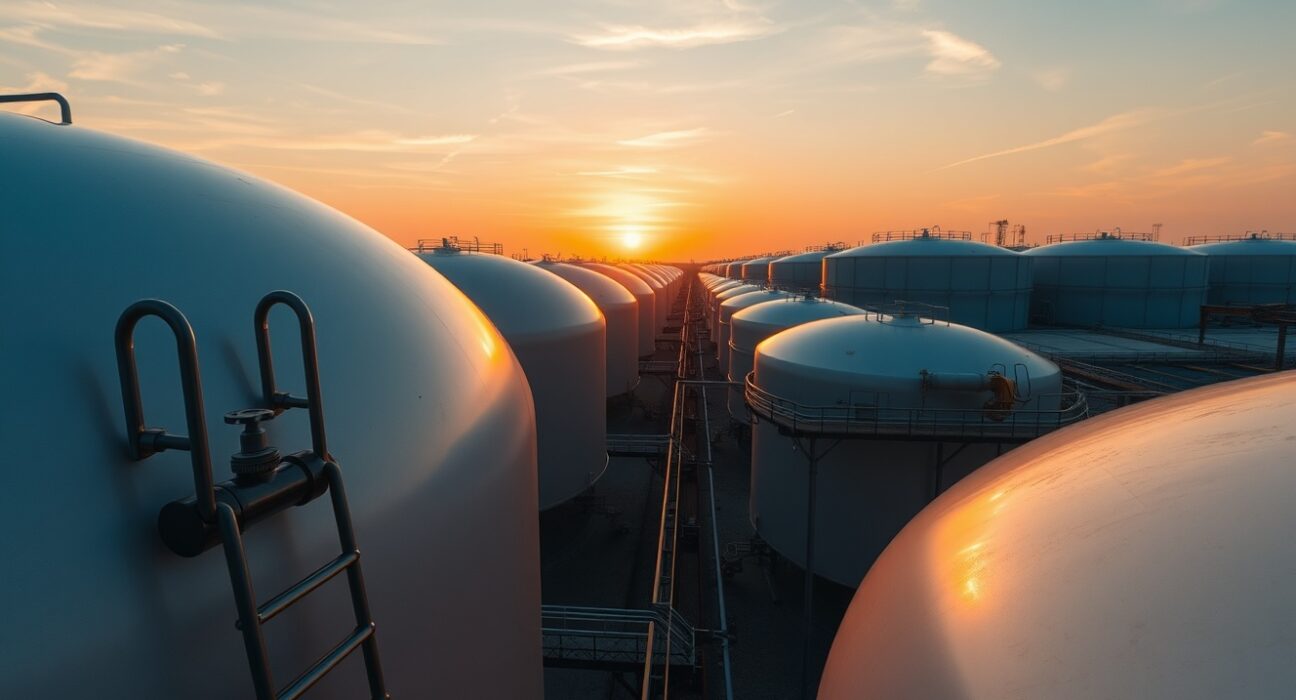
West Texas Intermediate (WTI) crude oil futures have surged to their highest level in over two months, briefly trading above $107 per barrel during the latest session. The rally is driven by a combination of tightening global supply, escalating geopolitical tensions, and renewed demand optimism from major economies. Traders and analysts are now assessing whether the upward momentum can sustain a breakout above key resistance levels.
Supply Constraints and Geopolitical Risk Drive Rally
The latest leg higher in WTI prices comes amid growing concerns over supply disruptions from key producing regions. Production outages in Libya and ongoing export restrictions from Russia have tightened the physical market, while OPEC+ continues to maintain its cautious output policy. Additionally, the U.S. Energy Information Administration (EIA) reported a larger-than-expected draw in domestic crude inventories last week, signaling robust demand relative to supply.
Geopolitical risk premiums have also re-entered the market following renewed tensions in the Middle East and Eastern Europe. Market participants are pricing in the possibility of further supply disruptions, which has encouraged speculative buying and physical hedging activity.
Technical Outlook: Key Levels to Watch
From a technical perspective, WTI has broken above the $105 resistance level, which had capped gains in recent weeks. The next major hurdle sits at the $110 psychological mark, a level not tested since late July. Momentum indicators such as the Relative Strength Index (RSI) are approaching overbought territory, suggesting the rally may face short-term exhaustion. However, the trend remains firmly bullish as long as prices hold above the $100 support zone.
Volume data shows increased participation during the breakout, which typically confirms the strength of the move. If WTI can close decisively above $107.50, the path toward $110 could open quickly. Conversely, a failure to hold above $105 would signal a potential pullback toward the $102–$100 range.
What This Means for Consumers and the Broader Economy
Rising crude oil prices have direct implications for gasoline and diesel costs, which can feed into broader inflationary pressures. For U.S. consumers, a sustained move above $107 in WTI typically translates to higher pump prices, potentially dampening discretionary spending. For the energy sector, however, higher prices improve profit margins and capital expenditure budgets, supporting drilling and production activity.
Central banks are also watching oil prices closely. A prolonged rally could complicate efforts to bring inflation back to target, influencing interest rate decisions in the months ahead.
Conclusion
WTI crude oil is trading at its strongest level in two months, supported by tightening supply, geopolitical uncertainty, and technical momentum. While the outlook remains bullish in the near term, traders should monitor resistance near $110 and the potential for profit-taking. The coming sessions will be critical in determining whether this breakout marks the start of a sustained uptrend or a temporary spike driven by sentiment.
FAQs
Q1: Why is WTI crude oil price rising above $107?
The rise is primarily driven by supply disruptions from Libya and Russia, a larger-than-expected U.S. inventory draw, and renewed geopolitical tensions that are adding a risk premium to prices.
Q2: What is the next key resistance level for WTI?
The next major resistance is at $110 per barrel, a psychological level that has not been tested since late July. A close above $107.50 would strengthen the case for a move toward $110.
Q3: How does WTI price affect gasoline prices for consumers?
WTI crude is the primary input for U.S. gasoline production. A sustained rise above $107 typically leads to higher prices at the pump within one to two weeks, as refineries pass on higher feedstock costs to consumers.
Disclaimer: The information provided is not trading advice, Bitcoinworld.co.in holds no liability for any investments made based on the information provided on this page. We strongly recommend independent research and/or consultation with a qualified professional before making any investment decisions.
