

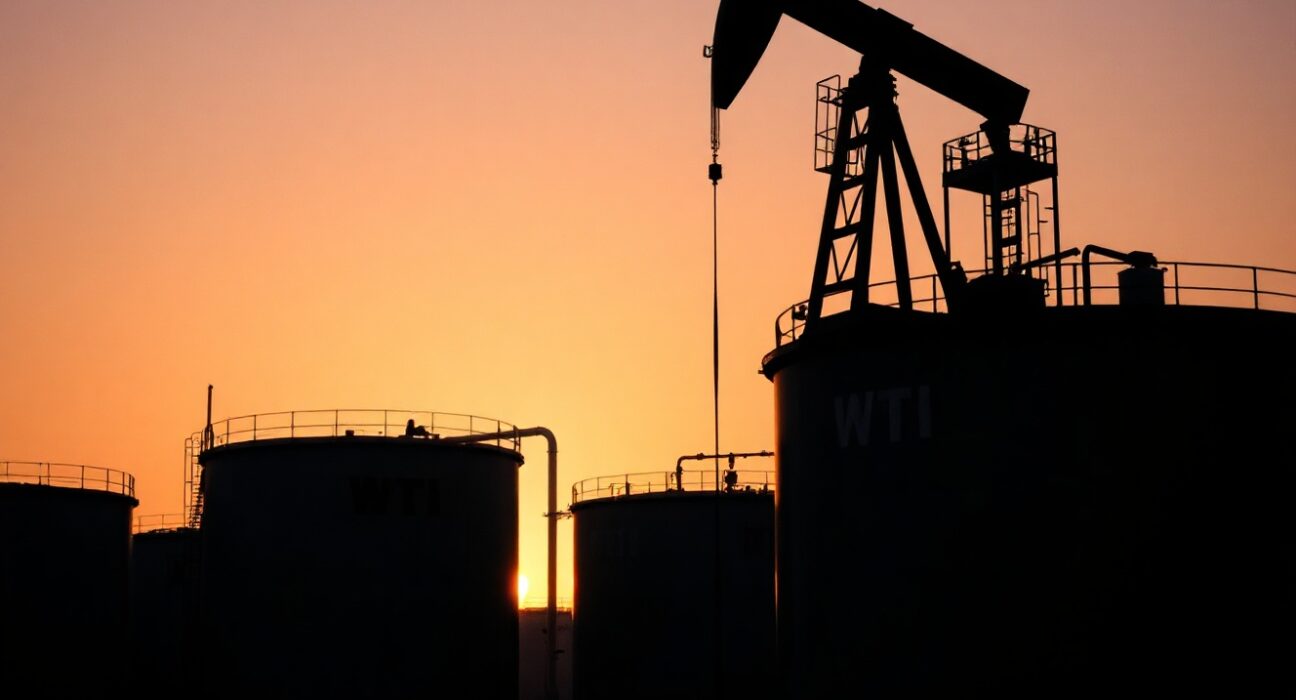
WTI crude oil prices extended their upward momentum on Tuesday, refreshing a weekly high near $82.70 per barrel as traders weighed deepening supply uncertainty stemming from geopolitical tensions and output disruptions. The latest move underscores a market increasingly focused on near-term supply reliability rather than demand-side concerns.
What Is Driving the Supply Uncertainty?
The primary catalyst behind the latest leg higher in WTI is a confluence of supply-side risks that have tightened the outlook for global inventories. Key factors include ongoing production disruptions in several OPEC+ member states, unplanned maintenance at major production facilities, and escalating geopolitical tensions in key shipping lanes. These elements have collectively prompted traders to price in a higher risk premium, pushing prices to levels not seen in several weeks. As of this report, the market is closely monitoring the situation, with volatility expected to remain elevated until clarity emerges on the resumption of normal supply flows.
Market Context and Price Action
The move to $82.70 represents a significant technical breakout from the recent trading range, signaling a shift in market sentiment. This price action is occurring against a backdrop of a weaker US dollar, which typically provides additional support for dollar-denominated commodities like oil. Furthermore, the latest inventory data from the American Petroleum Institute (API) is anticipated to show a drawdown in crude stockpiles, which could add further bullish momentum. However, traders remain cautious, as any de-escalation in geopolitical tensions or a faster-than-expected return of disrupted supply could trigger a sharp correction.
Implications for Consumers and the Broader Economy
For consumers, a sustained move higher in WTI prices translates directly into higher costs at the pump and could feed into broader inflationary pressures. This is particularly relevant as central banks, including the Federal Reserve, are closely watching energy prices for their impact on the overall inflation trajectory. A prolonged period of elevated oil prices could complicate the path for interest rate cuts, affecting everything from mortgage rates to consumer spending. The current situation highlights the delicate balance between supply-side geopolitical risks and global economic stability.
Conclusion
WTI crude’s push to a weekly high of $82.70 is a direct reflection of intensifying supply-side risks that have overtaken demand concerns in the market’s calculus. While the immediate trend is bullish, the situation remains highly fluid, and the price trajectory will depend heavily on near-term developments in geopolitics and global production. Traders and consumers alike should brace for continued volatility as the market navigates this period of heightened uncertainty.
FAQs
Q1: Why is the WTI price rising?
The primary driver is deepening supply uncertainty, including geopolitical tensions and potential production disruptions, which are prompting traders to bid up the price of crude oil.
Q2: What is the current WTI price level?
WTI crude oil has refreshed a weekly high near $82.70 per barrel, marking a notable increase from recent trading levels.
Q3: What could cause the WTI price to fall?
A swift de-escalation of geopolitical conflicts, a faster-than-expected return of disrupted supply, or a significant unexpected build in US crude inventories could all trigger a price pullback.
Disclaimer: The information provided is not trading advice, Bitcoinworld.co.in holds no liability for any investments made based on the information provided on this page. We strongly recommend independent research and/or consultation with a qualified professional before making any investment decisions.
