

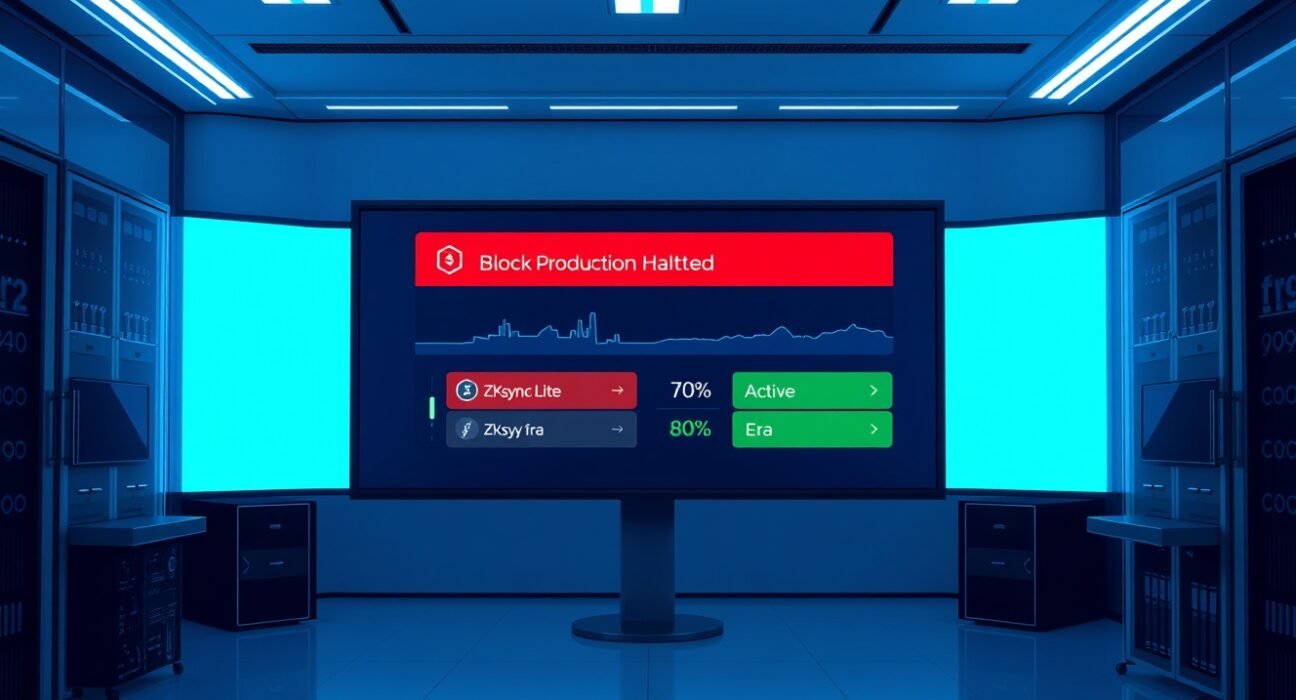
ZKsync Lite has stopped block production as of May 4, marking the beginning of its planned service shutdown. The ZKsync team announced this transition on X, confirming that the shutdown does not affect other chains, including ZKsync Era. Users with remaining funds on Lite can withdraw them via Ethereum Layer 1 (L1). With transactions currently halted, the Security Council is now verifying the final state root. Withdrawals will be enabled once this verification completes, a process expected to take 48 to 72 hours. ZKsync will cover the fees for the first 100,000 withdrawals.
ZKsync Lite Shutdown: A Planned Transition
The ZKsync Lite shutdown represents a strategic move by the development team. They designed this transition to consolidate resources and focus on newer technologies. The Lite version, originally launched as a scaling solution, now steps aside for more advanced implementations. This decision follows a clear roadmap shared with the community months ago. The team communicated the timeline through official channels, ensuring users had ample warning. The shutdown process itself is methodical. It prioritizes security and user fund safety above all else. The Security Council plays a critical role here. They must verify the final state root before any withdrawals proceed. This verification ensures the integrity of all remaining balances. The process typically takes 48 to 72 hours, but the team will provide updates as it progresses.
Impact on ZKsync Era and Other Chains
The ZKsync Lite shutdown does not impact ZKsync Era or any other chain. This separation is crucial for users to understand. ZKsync Era continues to operate normally, processing transactions and supporting applications. The team built Era on a different architecture, which remains unaffected by Lite’s closure. This distinction prevents confusion and panic among users. The ZKsync ecosystem remains healthy and active. Developers continue to build on Era, and the community remains engaged. The shutdown only affects the legacy Lite network. This targeted approach minimizes disruption while allowing the team to focus on future innovations. Users of Era can continue their activities without interruption. They do not need to take any action regarding this shutdown.
Understanding the Withdrawal Process
Withdrawals from ZKsync Lite will happen through Ethereum Layer 1. This process ensures maximum security for user funds. The Security Council must first verify the final state root. This root represents the complete record of all balances on Lite. Once verified, the team will enable withdrawals. Users will then have a window to move their funds. ZKsync will cover the fees for the first 100,000 withdrawals. This move removes a significant barrier for users. It ensures that cost does not prevent anyone from recovering their assets. The fee coverage applies to the withdrawal transaction itself. Users still need to pay for any gas costs on Ethereum. The team designed this process to be as smooth as possible. They have published detailed guides on their website. Users should follow these instructions carefully. The process requires connecting a wallet and confirming the transaction. It is straightforward for most users. However, those unfamiliar with L1 withdrawals should seek guidance. The ZKsync support team is available to help.
Timeline and Key Dates for the Shutdown
The ZKsync Lite shutdown follows a clear timeline. Block production stopped on May 4. This date marked the end of new transactions on the network. The Security Council then began verifying the final state root. This verification will take 48 to 72 hours. Once complete, the team will enable withdrawals. Users will have a limited time to withdraw their funds. The team has not yet announced a final deadline. They will likely provide this information after verification completes. Users should act promptly once withdrawals are enabled. Delaying could result in lost funds. The team has emphasized the importance of timely action. They have also warned users about potential scams. Only official ZKsync channels should be trusted for information. The timeline may shift slightly due to unforeseen issues. The team will communicate any changes immediately. Users should monitor official announcements for updates.
Why ZKsync Lite Is Being Shut Down
The ZKsync Lite shutdown stems from a strategic decision to evolve. The Lite network served its purpose as an early scaling solution. However, technology has advanced significantly since its launch. The team now focuses on ZKsync Era, which offers superior performance and features. Era uses a different architecture that provides better scalability and lower costs. Maintaining both networks would split resources and slow innovation. The shutdown allows the team to concentrate on Era’s development. This decision reflects a common pattern in the crypto industry. Older networks often give way to newer, more efficient ones. The team communicated this plan transparently. They gave users ample time to prepare. The shutdown process itself is designed to be safe and orderly. It prioritizes user fund security above all else. The team has learned from previous network shutdowns in the industry. They have implemented best practices to ensure a smooth transition.
User Guidance: Steps to Withdraw Funds
Users with funds on ZKsync Lite should follow these steps. First, locate your funds on the Lite network. Check your wallet balance and transaction history. Next, prepare for the withdrawal process. Ensure you have access to your wallet’s private keys or seed phrase. Then, wait for the official announcement that withdrawals are enabled. The team will make this announcement on X and their website. Once enabled, connect your wallet to the ZKsync Lite withdrawal interface. Follow the on-screen instructions to initiate the withdrawal. The transaction will move your funds to Ethereum Layer 1. ZKsync will cover the fee for the first 100,000 withdrawals. After the transaction completes, your funds will appear in your Ethereum wallet. You can then use them on any Ethereum-based application. Users should double-check all addresses before confirming transactions. Mistakes cannot be reversed. The team provides detailed guides on their website. Users should read these guides carefully. They also offer support through official channels. Do not trust third-party services claiming to help with withdrawals. These could be scams. Only use official ZKsync resources.
Broader Implications for Layer 2 Scaling
The ZKsync Lite shutdown offers lessons for the broader Layer 2 ecosystem. It demonstrates the importance of planning for network transitions. Users must stay informed about the networks they use. Developers must communicate clearly and provide adequate time for migration. The shutdown also highlights the value of security councils and verification processes. These mechanisms protect user funds during transitions. The industry will likely see more such transitions as technology evolves. Older solutions will give way to newer, more efficient ones. This cycle is healthy for the ecosystem. It drives innovation and improves user experience. However, it also places responsibility on users to stay vigilant. They must monitor announcements and act promptly when needed. The ZKsync team has set a positive example with this shutdown. They have prioritized transparency and user safety. Other projects should follow this model. The crypto industry needs clear standards for network deprecation. This shutdown could help establish those standards.
Conclusion
The ZKsync Lite shutdown marks a significant milestone in the network’s evolution. Block production has stopped, and the Security Council is verifying the final state root. Withdrawals will enable once this verification completes, within 48 to 72 hours. ZKsync will cover fees for the first 100,000 withdrawals. Users must act promptly to secure their funds. The shutdown does not affect ZKsync Era, which continues normal operations. This transition reflects a strategic focus on newer technology. It also sets a standard for safe and transparent network deprecation. Users should follow official channels for updates and guidance. The ZKsync team has prioritized security and user experience throughout this process. The broader Layer 2 ecosystem can learn from this approach. As the industry matures, such transitions will become more common. Staying informed and prepared is essential for all users.
FAQs
Q1: What happened to ZKsync Lite on May 4?
ZKsync Lite stopped block production on May 4 as part of its planned service shutdown. The Security Council is now verifying the final state root before enabling withdrawals.
Q2: How long will it take to enable withdrawals from ZKsync Lite?
The verification process is expected to take 48 to 72 hours. Withdrawals will be enabled once the Security Council completes this verification.
Q3: Will ZKsync cover the fees for my withdrawal?
Yes, ZKsync will cover the fees for the first 100,000 withdrawals. This applies to the withdrawal transaction itself, not Ethereum gas costs.
Q4: Does the ZKsync Lite shutdown affect ZKsync Era?
No, the shutdown does not impact ZKsync Era or any other chain. ZKsync Era continues to operate normally.
Q5: What should I do if I have funds on ZKsync Lite?
Wait for the official announcement that withdrawals are enabled. Then connect your wallet to the official withdrawal interface and follow the instructions. Act promptly to secure your funds.
Disclaimer: The information provided is not trading advice, Bitcoinworld.co.in holds no liability for any investments made based on the information provided on this page. We strongly recommend independent research and/or consultation with a qualified professional before making any investment decisions.
