

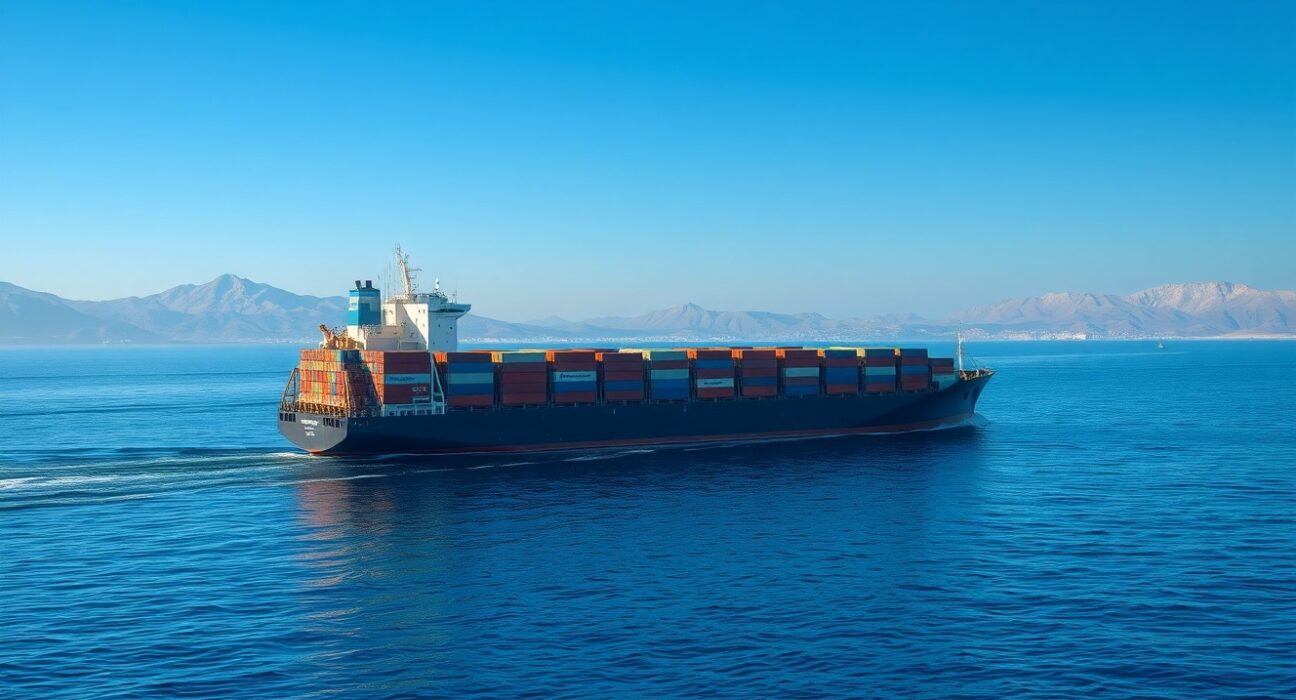
WASHINGTON, D.C. – March 15, 2025: The Wall Street Journal reports President Donald Trump has expressed willingness to negotiate an end to the ongoing Iran conflict without requiring the immediate reopening of the Strait of Hormuz, potentially signaling a significant diplomatic shift in Middle Eastern geopolitics. This development follows months of heightened tensions that threatened global energy supplies and regional stability.
Trump’s Iran Strategy and the Strait of Hormuz Dilemma
The Trump administration’s reported position represents a notable departure from previous demands. Historically, the United States has consistently emphasized keeping the Strait of Hormuz open as a non-negotiable security priority. This strategic waterway facilitates approximately 21 million barrels of oil daily, representing roughly 21% of global petroleum consumption. Furthermore, the strait handles about one-third of the world’s liquefied natural gas shipments.
Recent intelligence assessments indicate Iran currently maintains limited naval capabilities in the region. However, experts note Tehran could potentially disrupt shipping through asymmetric warfare tactics. These include:swarm attacks using fast boats, naval mines deployed covertly, and anti-ship missiles positioned along the coastline. The U.S. Fifth Fleet, based in Bahrain, maintains constant patrols to deter such actions.
Historical Context of US-Iran Tensions
Current negotiations unfold against a complex historical backdrop. Relations between Washington and Tehran have remained strained since the 1979 Iranian Revolution. The 2015 Joint Comprehensive Plan of Action (JCPOA) temporarily eased tensions before the Trump administration withdrew in 2018. Subsequently, the U.S. reimposed comprehensive sanctions that significantly impacted Iran’s economy.
Military and Economic Considerations
Military analysts highlight several strategic calculations behind the reported diplomatic flexibility. First, keeping the strait closed temporarily might actually serve U.S. energy interests by supporting domestic oil prices. Second, a prolonged military presence in the region carries substantial financial costs. Third, European and Asian allies have expressed concerns about escalating conflict disrupting their energy supplies.
The following table illustrates key statistics about the Strait of Hormuz’s importance:
| Metric | Volume/Percentage | Global Significance |
|---|---|---|
| Daily Oil Transit | 21 million barrels | 21% of global consumption |
| LNG Transit Share | 33% | One-third of global shipments |
| Bordering Countries | Iran, Oman, UAE | Strategic territorial waters |
| Narrowest Point | 21 nautical miles | Easy to monitor and block |
Potential Impacts on Global Energy Markets
Energy market analysts immediately reacted to the Wall Street Journal report. Brent crude futures initially dropped 2.3% in Asian trading before stabilizing. Market participants now anticipate several possible scenarios. First, a diplomatic resolution could restore full shipping capacity within months. Second, insurance premiums for vessels transiting the region might decrease gradually. Third, alternative shipping routes could see reduced demand.
Notably, Saudi Arabia and the United Arab Emirates have invested billions in pipeline infrastructure bypassing the strait. The East-West Petroline and Abu Dhabi Crude Oil Pipeline now provide partial alternatives. However, these routes cannot fully replace Hormuz’s capacity. Consequently, global energy security remains partially dependent on this chokepoint.
Regional Geopolitical Implications
Regional powers are carefully monitoring these developments. Israel has consistently advocated for maximum pressure on Iran’s nuclear program. Meanwhile, Gulf Cooperation Council members seek stability for their export-dependent economies. China, as Iran’s largest oil customer, maintains strategic interests in uninterrupted energy flows.
Expert Analysis and Strategic Assessment
Dr. Sarah Chen, Senior Fellow at the Center for Strategic and International Studies, notes: “This potential shift suggests the administration recognizes the limitations of military solutions. A phased approach addressing security concerns while pursuing diplomatic channels could yield more sustainable outcomes.” Similarly, retired Admiral James Kowalski, former commander of U.S. Naval Forces Central Command, observes: “The Strait of Hormuz represents both a vulnerability and a bargaining chip. Creative diplomacy might achieve security objectives without immediate physical reopening.”
The reported willingness to separate conflict resolution from strait reopening aligns with several strategic principles. First, it creates negotiating space for broader agreements. Second, it reduces immediate escalation risks. Third, it acknowledges Iran’s legitimate security concerns about foreign naval presence near its territorial waters.
Conclusion
President Trump’s reported willingness to end the Iran conflict without immediately reopening the Strait of Hormuz represents a potentially significant diplomatic development. This approach balances regional security concerns with global economic stability. Furthermore, it demonstrates flexibility in pursuing U.S. strategic objectives. The international community now watches closely as these negotiations could reshape Middle Eastern geopolitics and global energy markets for years to come. Successful implementation would require careful verification mechanisms and confidence-building measures between historically adversarial nations.
FAQs
Q1: Why is the Strait of Hormuz so strategically important?
The Strait of Hormuz serves as the world’s most important oil transit chokepoint, handling approximately 21 million barrels daily. This represents about 21% of global petroleum consumption and one-third of seaborne traded oil. Its narrow width makes it vulnerable to disruption.
Q2: How has Iran previously threatened the strait?
Iran has historically threatened to close the strait through various means including naval exercises, mine deployments, and anti-ship missile tests. The Islamic Revolutionary Guard Corps Navy maintains substantial asymmetric warfare capabilities specifically designed for this strategic waterway.
Q3: What alternatives exist if the strait remains closed?
Alternative routes include Saudi Arabia’s East-West Petroline, the UAE’s Abu Dhabi Crude Oil Pipeline, and increased use of the Sumed pipeline in Egypt. However, these alternatives have limited capacity compared to Hormuz and would require significant time to scale operations.
Q4: How would continued closure affect global oil prices?
Sustained closure would likely increase oil prices substantially due to reduced supply. Historical precedents suggest potential price increases of 30-50% initially, though strategic petroleum reserve releases and increased production from other regions could mitigate some impact.
Q5: What verification measures would ensure Iran doesn’t develop nuclear weapons?
Potential verification measures include enhanced International Atomic Energy Agency inspections, real-time monitoring equipment at nuclear facilities, snap inspection provisions, and technological monitoring solutions. Any agreement would likely require unprecedented access to Iranian facilities.
Disclaimer: The information provided is not trading advice, Bitcoinworld.co.in holds no liability for any investments made based on the information provided on this page. We strongly recommend independent research and/or consultation with a qualified professional before making any investment decisions.
