

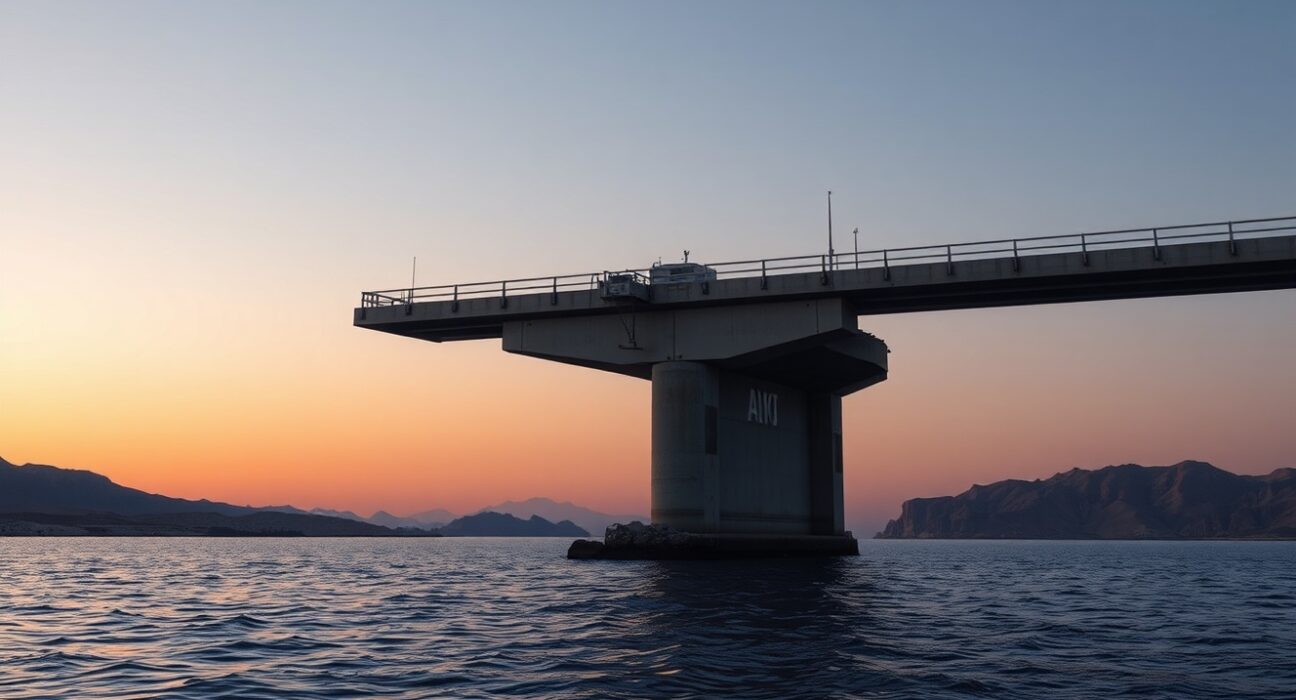
WASHINGTON, D.C. – March 15, 2025 – A significant attack on a critical bridge in the Strait of Hormuz has triggered a direct and urgent appeal from US President Donald Trump to Iranian leadership, calling for immediate diplomatic engagement to prevent a dangerous escalation in one of the world’s most vital maritime chokepoints. This incident represents the most serious physical confrontation between Iranian-aligned forces and regional infrastructure in over two years, directly threatening the transit of nearly 20% of the world’s seaborne oil.
Analyzing the Strait of Hormuz Bridge Strike and Its Immediate Aftermath
According to regional defense analysts and maritime security reports, the strike targeted the Bandar Lengeh – Qeshm Island causeway, a strategic link in southern Iran. Consequently, the attack caused substantial damage to a primary support pillar. Furthermore, satellite imagery analyzed by private intelligence firms shows clear structural compromise. The method of attack remains under investigation by international observers. However, early indicators from the United States Central Command suggest the use of precision-guided munitions, potentially launched from fast-attack craft or drones.
Immediately following the incident, global oil prices experienced a sharp spike. Specifically, Brent crude futures surged by over 8% in early Asian trading. Meanwhile, major shipping companies like Maersk and MSC issued temporary advisories, pausing all non-essential transit through the narrow strait. The Iranian Revolutionary Guard Corps Navy (IRGCN) subsequently heightened its patrols, creating a tense standoff with US Fifth Fleet vessels monitoring the situation from international waters.
Historical Context of US-Iran Tensions in the Persian Gulf
The Strait of Hormuz has long been a flashpoint for international conflict. For instance, during the 1980s Tanker War, over 500 commercial vessels faced attacks. More recently, a series of incidents between 2019 and 2021 involved mine attacks on tankers and the seizure of ships. Therefore, this latest bridge strike fits a historical pattern of targeting economic and logistical infrastructure to exert pressure. However, experts note a key escalation: previous actions largely targeted moving vessels, not fixed, state-owned critical infrastructure.
A comparative timeline illustrates the rising stakes:
| Year | Incident | Primary Impact |
|---|---|---|
| 2019 | Mine attacks on tankers | Insurance premiums rose 300% |
| 2020 | Seizure of UK-flagged tanker | Brief diplomatic crisis |
| 2023 | Drone swarm harassment | Increased naval patrols |
| 2025 | Bridge causeway strike | Direct infrastructure damage, global price shock |
Expert Analysis on Geopolitical and Economic Ramifications
Dr. Anisa Karimi, a Senior Fellow at the Middle East Institute, provided critical context. “This is a calculated move,” she stated. “Targeting a bridge, rather than a ship, sends a different message. It demonstrates a capability to disrupt Iran’s own domestic logistics and, by extension, signals a willingness to absorb reciprocal economic pain to achieve broader strategic goals. The immediate global market reaction underscores the fragility of the entire region’s energy export system.”
From a military strategy perspective, Rear Admiral John Caldwell (Ret.), former commander of US Naval Forces Central Command, highlighted the operational challenge. “The Strait is only 21 nautical miles wide at its narrowest point,” he explained. “The navigable channel for large tankers is even narrower. An incident that creates debris or raises threat levels effectively closes the lane. This forces a complex military decision: intervene to keep it open and risk direct conflict, or allow a closure that cripples the global economy.”
President Trump’s Diplomatic Appeal and Potential Pathways Forward
In a televised statement from the White House, President Trump addressed the crisis directly. “We call on the leadership in Tehran to step back from the brink,” he declared. “There is a deal to be made that ensures security and prosperity for all. Further aggression helps no one and threatens the world’s economic stability.” Significantly, administration officials clarified this appeal was not a reopening of the defunct JCPOA nuclear agreement, but a call for a new, broader framework addressing maritime security, ballistic missiles, and regional proxy activities.
Potential diplomatic pathways now include:
- Emergency UN Security Council Session: A platform for multilateral pressure and de-escalation proposals.
- Oman-Mediated Talks: Muscat has historically facilitated back-channel communications between Washington and Tehran.
- Regional Security Dialogue: A potential GCC+1 format involving Gulf Cooperation Council states and Iran.
- Bilateral Military Hotline: Establishing direct communication between US Naval Forces Central Command and the IRGCN to prevent miscalculation.
Conclusion
The bridge strike in the Strait of Hormuz represents a dangerous inflection point in Middle Eastern geopolitics, directly prompting President Trump’s public appeal for a deal with Iran. This event transcends a simple military skirmish; it is a stark reminder of the intimate link between regional security and global economic stability. The immediate priority is preventing a miscalculation that could close the strait. Ultimately, the path forward requires credible diplomacy backed by a clear demonstration that targeting critical global infrastructure is a strategic dead end with severe consequences for all involved. The world now watches to see if this crisis can become a catalyst for a more stable security framework, or if it will mark the beginning of a more volatile and confrontational chapter.
FAQs
Q1: What exactly was struck in the Strait of Hormuz?
The attack damaged a section of the Bandar Lengeh – Qeshm Island causeway, a bridge and roadway system connecting the Iranian mainland to Qeshm Island. This is critical domestic infrastructure for Iran, not an international shipping lane itself, but its targeting in the strategic waterway caused immediate security and market panic.
Q2: Why is the Strait of Hormuz so important globally?
The Strait is a geographic chokepoint. An estimated 20-21 million barrels of oil per day, about 20% of global seaborne petroleum trade, passes through its narrow channels. A closure or severe disruption would cause immediate, massive spikes in global energy prices and potentially trigger a worldwide economic recession.
Q3: Who is suspected of carrying out the bridge strike?
As of now, no state or group has claimed responsibility. US and allied intelligence assessments are ongoing. Given the location and precision required, regional analysts suggest the operation was likely conducted by a non-state actor or proxy group with advanced capabilities, potentially aligned with broader anti-Iranian interests in the region.
Q4: What kind of “deal” is President Trump urging?
Based on official statements, the administration is calling for a new, comprehensive diplomatic framework. This proposed deal would likely encompass issues beyond the nuclear program, including guarantees on the safety of maritime navigation, limitations on ballistic missile development, and curbs on the activities of Iranian-backed proxy groups throughout the Middle East.
Q5: How have global markets reacted to this incident?
The reaction was swift and severe. Brent crude oil prices jumped over 8% within hours. Shipping and insurance rates for vessels transiting the Persian Gulf are expected to rise dramatically. Stock markets in Asia and Europe saw sell-offs in transportation and energy-intensive sectors, reflecting fears of prolonged disruption.
Disclaimer: The information provided is not trading advice, Bitcoinworld.co.in holds no liability for any investments made based on the information provided on this page. We strongly recommend independent research and/or consultation with a qualified professional before making any investment decisions.
