

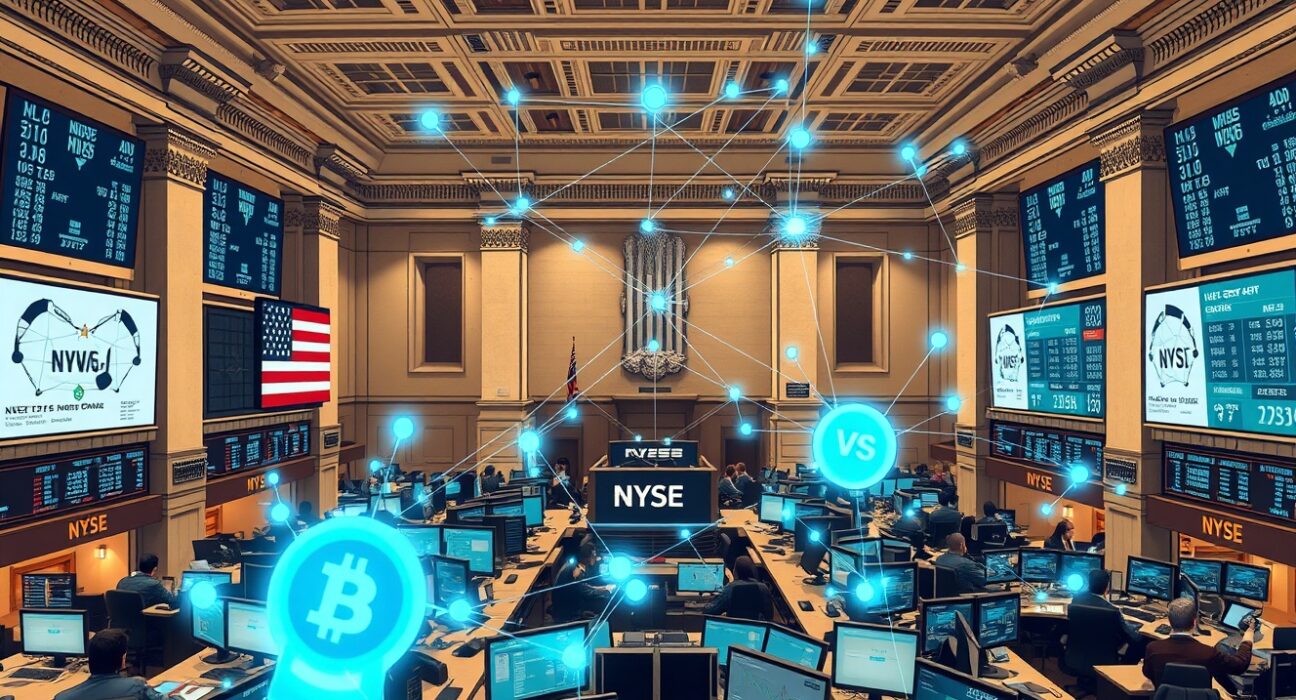
NEW YORK, April 2025 – The New York Stock Exchange has officially submitted a groundbreaking proposal to the U.S. Securities and Exchange Commission, seeking approval to list and trade tokenized securities. This strategic move represents a significant evolution in traditional finance, following Nasdaq’s successful regulatory clearance for similar blockchain-based trading infrastructure earlier this year. The NYSE tokenized securities initiative specifically targets stocks within the Russell 1000 index and major exchange-traded funds, potentially transforming how institutional and retail investors interact with equity markets.
NYSE Tokenized Securities Framework Details
The proposed rule change centers on integrating blockchain technology within the existing market structure. Trading will occur through the Depository Trust Company’s tokenization pilot project, which has undergone extensive testing since its initial announcement. The tokenized securities will maintain identical CUSIP numbers and ticker symbols as their traditional counterparts, ensuring continuity and reducing operational complexity. Furthermore, these digital assets will trade in parallel on the same order book as conventional shares, creating a unified market experience.
Market participants will notice several key operational similarities. The settlement cycle remains at the standard T+1 timeframe, aligning with current industry practices. All existing regulatory frameworks, including short selling rules and market surveillance protocols, will apply equally to tokenized and traditional securities. This approach minimizes disruption while introducing blockchain efficiency benefits. The SEC will review the proposal through its standard notice-and-comment process, typically lasting 45 to 90 days before potential approval.
Tokenization Technology Implementation
Tokenization represents the process of converting traditional securities into digital tokens on a blockchain network. These tokens function as digital certificates of ownership, recording transactions on a distributed ledger. The technology offers several advantages over conventional settlement systems, including reduced counterparty risk and enhanced transaction transparency. Industry experts note that tokenization could eventually reduce settlement failures and operational costs significantly.
The DTC’s pilot project utilizes permissioned blockchain architecture, meaning only approved participants can validate transactions. This design choice addresses regulatory concerns about market manipulation and security. Each token corresponds directly to a traditional security held in custody, creating a one-to-one relationship that maintains market integrity. The system also incorporates smart contract functionality for automated corporate actions like dividend payments and stock splits.
Market Impact and Industry Response
Financial institutions have monitored tokenization developments closely since Nasdaq received SEC approval in March. Major asset managers and broker-dealers have begun preparing infrastructure for potential tokenized security trading. Analysts project that successful implementation could attract new market participants, particularly institutional investors seeking blockchain efficiency. The Russell 1000 focus provides a manageable starting point, covering approximately 90% of the U.S. equity market capitalization.
Market structure experts emphasize the importance of regulatory alignment. The proposal explicitly states that tokenized securities will not create separate regulatory categories. Instead, they will operate under identical rules as traditional shares. This regulatory parity addresses concerns about market fragmentation and ensures consistent investor protection standards. Industry groups have generally welcomed the proposal, noting its conservative approach to technological innovation.
Comparative Analysis with Nasdaq’s Approach
Nasdaq’s earlier approval established important precedents for exchange-operated tokenization platforms. Both exchanges share similar technological foundations and regulatory frameworks. However, subtle differences exist in implementation timelines and participant onboarding processes. The following table highlights key similarities and distinctions:
| Aspect | NYSE Proposal | Nasdaq Implementation |
|---|---|---|
| Initial Scope | Russell 1000 stocks + major ETFs | Similar index coverage |
| Settlement Cycle | T+1 maintained | T+1 maintained |
| Regulatory Framework | Full existing regulations apply | Identical approach |
| Technology Partner | DTC tokenization pilot | Proprietary platform |
| Trading Integration | Parallel order book | Separate initially, integrated later |
Market observers note that having both major exchanges pursuing tokenization creates validation for the technology. This parallel development could accelerate industry-wide adoption and standardization efforts. Regulatory agencies have indicated they view exchange-led initiatives as preferable to fragmented third-party solutions.
Technical Infrastructure Requirements
Successful implementation requires significant technological preparation from market participants. Broker-dealers must upgrade their systems to handle blockchain-based transactions alongside traditional settlements. Custodians need to develop secure digital asset storage solutions that meet regulatory requirements. The industry has identified several critical infrastructure components:
- Digital Identity Verification: Enhanced know-your-customer protocols for blockchain participants
- Transaction Monitoring: Real-time surveillance systems for tokenized security trading
- Custody Solutions: Secure storage infrastructure meeting SEC custody rules
- Settlement Interfaces: Integration between blockchain networks and traditional clearing systems
- Reporting Systems: Automated regulatory reporting for tokenized transactions
Industry working groups have developed technical standards for these components over the past two years. The DTC’s pilot project incorporates many of these standards, providing a foundation for broader implementation. Technology providers report increased demand for blockchain integration services since Nasdaq’s approval announcement.
Regulatory Considerations and Timeline
The SEC’s review process will examine multiple aspects of the proposal. Regulators will assess market stability implications, investor protection measures, and technological reliability. Previous blockchain-related proposals have undergone extensive scrutiny regarding cybersecurity and operational resilience. The commission typically considers several key factors during such reviews:
- Market manipulation prevention capabilities
- System redundancy and disaster recovery plans
- Participant access and fairness considerations
- Integration with existing regulatory reporting systems
- International compatibility and cross-border implications
Industry analysts predict a decision timeline of three to six months, depending on comment volume and technical complexity. The proposal enters the Federal Register publication process first, followed by a standard comment period. Significant industry feedback could extend the review timeline, particularly if concerns emerge about specific implementation details.
Potential Market Evolution Scenarios
Successful implementation could trigger broader market transformation over several years. Initial trading will likely focus on institutional participants with existing blockchain capabilities. As infrastructure matures, retail access may expand through broker-dealer platforms. Long-term possibilities include expanded asset coverage beyond equities and potential integration with decentralized finance protocols.
Market structure experts identify several potential development phases. The first phase involves limited pilot trading with select participants. Subsequent phases would expand participant access and asset coverage. Final phases might include full integration with traditional markets and potential new product development. Each phase requires regulatory approval and technological validation before proceeding.
International implications also merit consideration. Other jurisdictions have developed tokenization frameworks with varying regulatory approaches. Global harmonization efforts could emerge as multiple markets implement similar systems. Standard-setting organizations have begun discussing cross-border compatibility issues, though concrete agreements remain in early stages.
Conclusion
The NYSE tokenized securities proposal represents a calculated step toward modernizing financial markets through blockchain integration. By building upon Nasdaq’s regulatory precedent and maintaining alignment with existing market structures, the exchange balances innovation with stability. Successful implementation could enhance market efficiency while preserving investor protections that underpin market confidence. As regulatory review proceeds, market participants should prepare for potential infrastructure requirements and new trading opportunities. The NYSE tokenized securities initiative marks another milestone in the gradual convergence of traditional finance and blockchain technology.
FAQs
Q1: What are tokenized securities?
Tokenized securities are digital representations of traditional financial assets recorded on a blockchain. They maintain identical economic rights as conventional securities while leveraging blockchain technology for settlement and transfer efficiency.
Q2: How will tokenized securities trade differently from regular stocks?
Tokenized securities will trade on the same order book as traditional shares with identical pricing. The primary difference involves settlement technology, using blockchain instead of conventional clearing systems, though the T+1 timeframe remains unchanged.
Q3: What stocks will be available as tokenized securities initially?
The initial proposal covers stocks within the Russell 1000 index and major index-tracking ETFs. This represents approximately 90% of the U.S. equity market by capitalization, providing substantial coverage while limiting initial complexity.
Q4: How does this differ from cryptocurrency trading?
Unlike cryptocurrency markets, tokenized securities operate within existing regulatory frameworks for traditional securities. They represent ownership in regulated companies rather than standalone digital assets, with all applicable securities laws and investor protections fully maintained.
Q5: When might trading begin if approved?
Industry analysts estimate potential launch within 6-12 months following SEC approval, depending on participant readiness and final rule implementation. The exchange would likely begin with a limited pilot program before expanding to full-scale trading.
Disclaimer: The information provided is not trading advice, Bitcoinworld.co.in holds no liability for any investments made based on the information provided on this page. We strongly recommend independent research and/or consultation with a qualified professional before making any investment decisions.
