

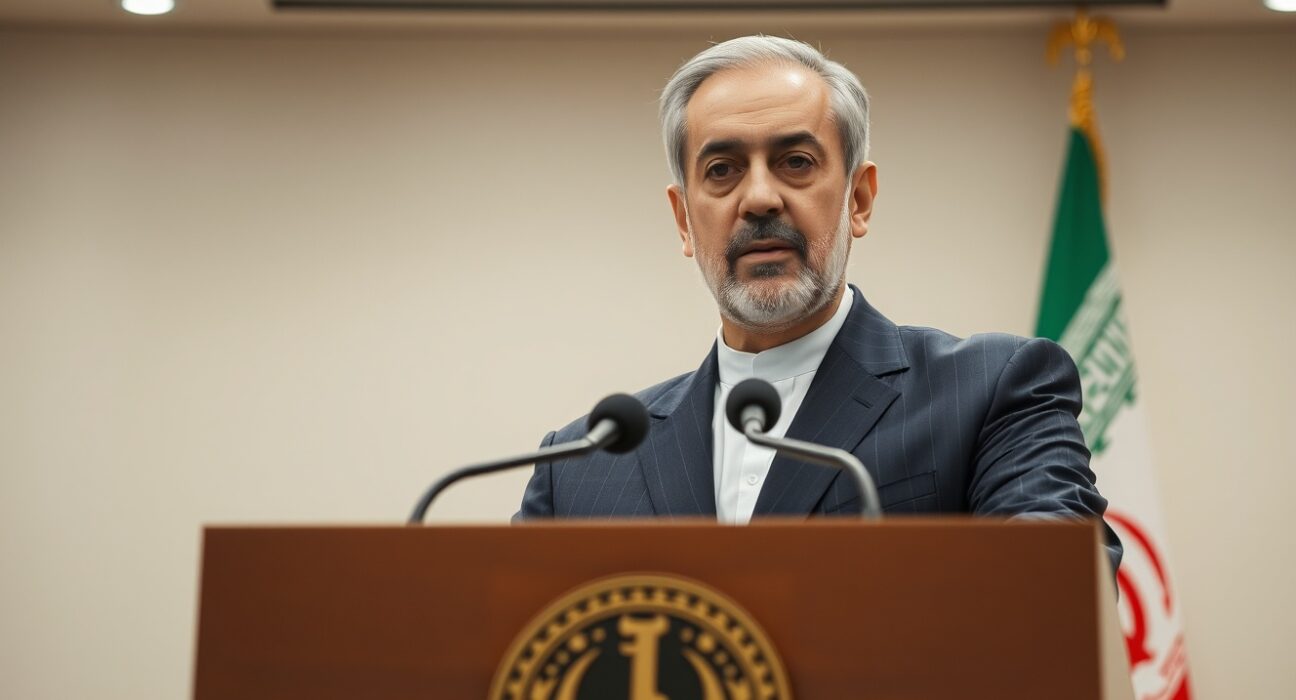
TEHRAN, Iran – January 2025: Iranian President Masoud Pezeshkian delivered a significant diplomatic statement this week, asserting that military conflict serves no nation’s interests in the current geopolitical landscape. This declaration comes during a particularly tense period for Middle Eastern relations and global security frameworks. The Iranian leader’s remarks immediately sparked international analysis about potential shifts in Tehran’s foreign policy approach. Regional observers and diplomatic experts are now examining the practical implications of this statement for nuclear negotiations, economic sanctions, and cross-border tensions. Furthermore, this development occurs against the backdrop of ongoing proxy conflicts and delicate balance-of-power calculations across the region.
Iran’s Pezeshkian War Statement: Context and Immediate Reactions
President Masoud Pezeshkian made his declaration during a televised address to the Iranian parliament. He specifically emphasized the economic and human costs of military escalation. Consequently, international markets showed immediate but cautious responses to his comments. Regional analysts note this represents a continuation of Pezeshkian’s moderate rhetorical stance since his 2024 election victory. However, they also caution that actions must follow words to demonstrate substantive policy change. The statement arrives precisely as several neighboring nations reassess their security postures. Additionally, global powers monitor these developments for signals about Iran’s nuclear program negotiations.
Diplomatic channels reported increased communication following the address. For instance, European Union mediators expressed cautious optimism about potential dialogue resumption. Meanwhile, regional actors like Saudi Arabia and Israel offered measured responses through official channels. The United States State Department acknowledged the statement while reiterating calls for verifiable actions. This complex web of reactions illustrates the statement’s multidimensional impact. Moreover, it highlights how regional stability remains fragile despite diplomatic overtures.
Historical Precedents and Policy Continuity
Experts point to historical patterns in Iranian foreign policy rhetoric. Previous administrations have occasionally employed similar language during diplomatic openings. However, Pezeshkian’s background as a former health minister brings different perspective to security discussions. His statement aligns with Iran’s constitutional principles opposing aggression while maintaining defense rights. Regional conflict data from the past decade supports his economic argument about war’s destructiveness.
Regional Stability Analysis in 2025 Middle East
The Middle East faces multiple overlapping security challenges in 2025. These include unresolved civil conflicts, economic pressures from global inflation, and climate-related resource tensions. Iran’s position within this complex ecosystem remains particularly significant due to several factors:
- Geographic influence across the Persian Gulf, Caspian Sea, and strategic waterways
- Energy resources including substantial oil and natural gas reserves
- Regional alliances with various state and non-state actors
- Military capabilities including missile systems and asymmetric warfare capacity
- Nuclear program developments under international monitoring agreements
Recent economic indicators show how regional conflicts affect vital sectors. The following table illustrates key impacts:
| Sector | Conflict Impact | Stability Benefit |
|---|---|---|
| Energy Markets | Price volatility +15-25% | Predictable pricing |
| Shipping Routes | Insurance premiums increase | Reduced transit costs |
| Foreign Investment | Capital flight from region | Infrastructure development |
| Tourism Industry | Cancelations up to 40% | Hospitality sector growth |
These economic realities provide concrete foundation for Pezeshkian’s argument. Regional business leaders have consistently advocated for diplomatic solutions over military options. Furthermore, youth unemployment rates exceeding 25% in several nations create additional social pressures. Stability allows for economic planning and international partnership development.
Nuclear Diplomacy and International Agreements
Iran’s nuclear program remains central to regional security calculations. The Joint Comprehensive Plan of Action (JCPOA) framework continues influencing diplomatic approaches despite its challenged implementation. Pezeshkian’s administration inherits complex negotiations about uranium enrichment levels and monitoring access. International Atomic Energy Agency (IAEA) reports provide technical basis for these discussions. Importantly, the non-proliferation treaty obligations create legal parameters for all parties.
European diplomats currently engage in shuttle diplomacy between Tehran and Western capitals. They emphasize verification mechanisms and reciprocal sanction relief. Meanwhile, regional powers like Saudi Arabia pursue their own nuclear energy programs within safeguard agreements. This creates multilateral dynamic rather than simple bilateral negotiation. Technical experts note that nuclear infrastructure has both energy and security dimensions. Consequently, discussions require addressing both aspects simultaneously.
Expert Perspectives on Diplomatic Pathways
Former negotiators from previous administrations identify several potential confidence-building measures. These include limited enrichment freezes in exchange for specific sanction modifications. Regional security experts suggest linking nuclear talks to broader Middle East stability discussions. Academic analysts emphasize the importance of domestic political considerations within all involved nations. Furthermore, they note that public opinion increasingly favors diplomatic solutions according to recent polling data.
Economic Impacts and Sanction Dynamics
International sanctions significantly affect Iran’s economy and regional trade patterns. The 2025 global economic context adds complexity to these dynamics. Energy export restrictions particularly influence government revenue calculations. Meanwhile, alternative trade routes and partnerships have developed through regional networks. These economic realities create practical incentives for conflict avoidance and diplomatic engagement.
Domestic economic pressures within Iran include currency volatility and inflation concerns. The government faces balancing acts between military expenditures and social program funding. Regional economic integration projects offer potential pathways for growth. However, these require stable security environments to attract necessary investment. International financial institutions monitor these developments for potential lending program adjustments.
Conclusion
President Masoud Pezeshkian’s declaration that war serves no nation’s interests reflects both principled stance and practical calculation. The statement emerges from complex regional realities including economic pressures, diplomatic opportunities, and security dilemmas. While rhetorical positions require substantive actions for verification, they create openings for dialogue. Regional stability in 2025 depends on multiple actors choosing diplomatic pathways over military escalation. The Iranian leader’s comments contribute to this broader conversation about conflict prevention and cooperative security frameworks. Ultimately, the Pezeshkian war statement represents one voice in multilateral discussion determining the Middle East’s future trajectory.
FAQs
Q1: What specifically did President Pezeshkian say about war?
He stated unequivocally that military conflict “is in no one’s interest,” emphasizing the human and economic costs while calling for diplomatic solutions to regional disputes.
Q2: How does this statement relate to Iran’s nuclear program?
The declaration creates potential diplomatic opening for nuclear negotiations, as conflict reduction generally facilitates technical discussions about enrichment and monitoring agreements.
Q3: What are the main regional stability challenges in 2025?
Key challenges include unresolved proxy conflicts, economic pressures from global inflation, resource management issues, and balancing multiple international partnerships.
Q4: How have other nations responded to Pezeshkian’s statement?
Responses range from cautious optimism in European capitals to measured acknowledgment from regional neighbors, with most emphasizing the need for verifiable actions following rhetorical positions.
Q5: What economic factors influence Iran’s conflict avoidance approach?
Sanctions impacts, currency stability concerns, youth unemployment, and the potential benefits of regional economic integration all create incentives for diplomatic rather than military approaches.
Disclaimer: The information provided is not trading advice, Bitcoinworld.co.in holds no liability for any investments made based on the information provided on this page. We strongly recommend independent research and/or consultation with a qualified professional before making any investment decisions.
