

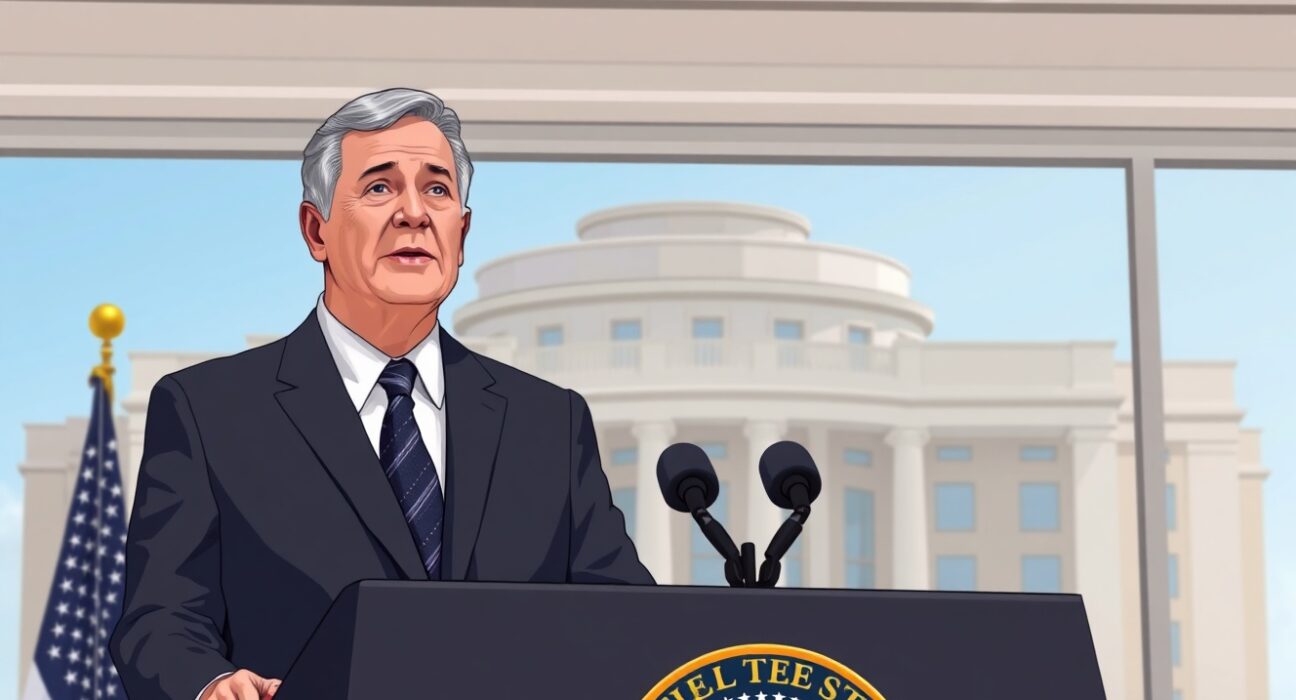
U.S. President Donald Trump stated he hopes to reach a swift agreement with Iran. This announcement signals a potential shift in diplomatic relations between the two nations. The comment came during a press conference in Washington, D.C., on March 20, 2025. Trump emphasized the urgency of finding a diplomatic solution. He did not provide specific details about the negotiations.
Trump Iran Agreement: A New Diplomatic Push
The statement marks a significant moment in U.S.-Iran relations. Tensions have remained high since the U.S. withdrawal from the 2015 nuclear deal. The Joint Comprehensive Plan of Action (JCPOA) collapsed after the 2018 exit. Subsequent efforts to revive the deal have faced repeated obstacles. Now, Trump signals a willingness to engage directly.
Key elements of this potential agreement remain unclear. However, analysts point to several possible areas of focus. These include nuclear enrichment limits, sanctions relief, and regional security. The U.S. administration has not confirmed any formal talks. Yet, the president’s words carry substantial weight in diplomatic circles.
Background of US-Iran Tensions
The relationship between the two countries has been fraught for decades. Key events include the 1979 Iranian Revolution and the hostage crisis. More recently, the U.S. assassination of General Qasem Soleimani in 2020 escalated hostilities. Iran has also increased its uranium enrichment levels since 2019. These actions have raised global concerns about nuclear proliferation.
A timeline of recent events shows a pattern of conflict:
- 2015: JCPOA signed between Iran and world powers.
- 2018: U.S. withdraws from the deal and reimposes sanctions.
- 2020: U.S. kills Soleimani; Iran retaliates against U.S. bases.
- 2023: Iran enriches uranium to 60% purity.
- 2025: Trump expresses hope for an agreement.
Global Reactions to the Announcement
International leaders have responded cautiously to Trump’s statement. European allies have long urged a return to diplomatic engagement. The United Nations also supports a negotiated settlement. Meanwhile, regional powers like Saudi Arabia and Israel view any deal with skepticism. They fear a potential agreement may not address Iran’s missile program or proxy forces.
Economic markets reacted positively to the news. Oil prices dropped slightly on hopes of eased sanctions. Investors see a potential deal as stabilizing for global energy markets. However, many analysts warn that negotiations remain fragile. Previous attempts have failed due to mutual distrust.
Expert Analysis on Diplomatic Prospects
Dr. Sarah Johnson, a Middle East scholar at Georgetown University, offers insight. She notes that both sides have incentives to reach a deal. Iran faces severe economic pressure from sanctions. The U.S. seeks to prevent a nuclear arms race in the region. However, Johnson warns that domestic politics could derail progress. Hardliners in both countries oppose concessions.
Another expert, retired diplomat James Miller, emphasizes the importance of timing. He states that the window for negotiation is narrow. Iran’s presidential election in 2026 could shift priorities. Therefore, swift action is critical. Miller also highlights the need for a comprehensive agreement. A narrow deal may fail to address underlying tensions.
Potential Impacts of a US-Iran Agreement
An agreement could reshape the Middle East. Key potential outcomes include:
- Nuclear Non-Proliferation: Iran would limit enrichment to 3.67%.
- Sanctions Relief: Iran gains access to frozen assets and trade.
- Regional Stability: Reduced support for proxy groups like Hezbollah.
- Energy Markets: Increased Iranian oil exports lower global prices.
- US Credibility: A deal restores trust in American diplomacy.
However, risks remain significant. Iran may not fully comply with terms. The U.S. Congress could reject any agreement. Israel might take unilateral military action. These factors make the path forward uncertain.
Comparative Analysis: 2015 Deal vs. 2025 Prospects
Comparing the current situation to 2015 reveals key differences:
| Aspect | 2015 JCPOA | 2025 Potential Deal |
|---|---|---|
| Enrichment Limit | 3.67% | Likely similar |
| Sanctions Relief | Gradual | Possibly faster |
| Regional Issues | Not included | May be included |
| US Commitment | Obama administration | Trump administration |
| Iranian Politics | Rouhani government | Raisi government |
This table shows that the new deal could be broader in scope. However, political dynamics have shifted. Iran’s current leadership is more conservative. The U.S. has a different approach to negotiations.
Conclusion
President Trump’s hope for a swift agreement with Iran opens a new chapter in international diplomacy. The potential Trump Iran agreement could reduce nuclear risks and stabilize the Middle East. However, success depends on overcoming deep-seated mistrust and political hurdles. Global observers now watch closely for concrete steps. The coming weeks will reveal whether this diplomatic push leads to a breakthrough or another stalemate.
FAQs
Q1: What did President Trump say about an agreement with Iran?
He stated he hopes to reach a swift agreement with Iran as soon as possible.
Q2: Why is a US-Iran agreement important?
It could prevent nuclear proliferation and reduce regional tensions.
Q3: What is the status of the 2015 nuclear deal?
The U.S. withdrew in 2018, and efforts to revive it have stalled.
Q4: How have global markets reacted?
Oil prices dropped slightly on hopes of eased sanctions.
Q5: What are the main obstacles to a deal?
Mutual distrust, domestic politics, and regional security concerns.
Disclaimer: The information provided is not trading advice, Bitcoinworld.co.in holds no liability for any investments made based on the information provided on this page. We strongly recommend independent research and/or consultation with a qualified professional before making any investment decisions.
