

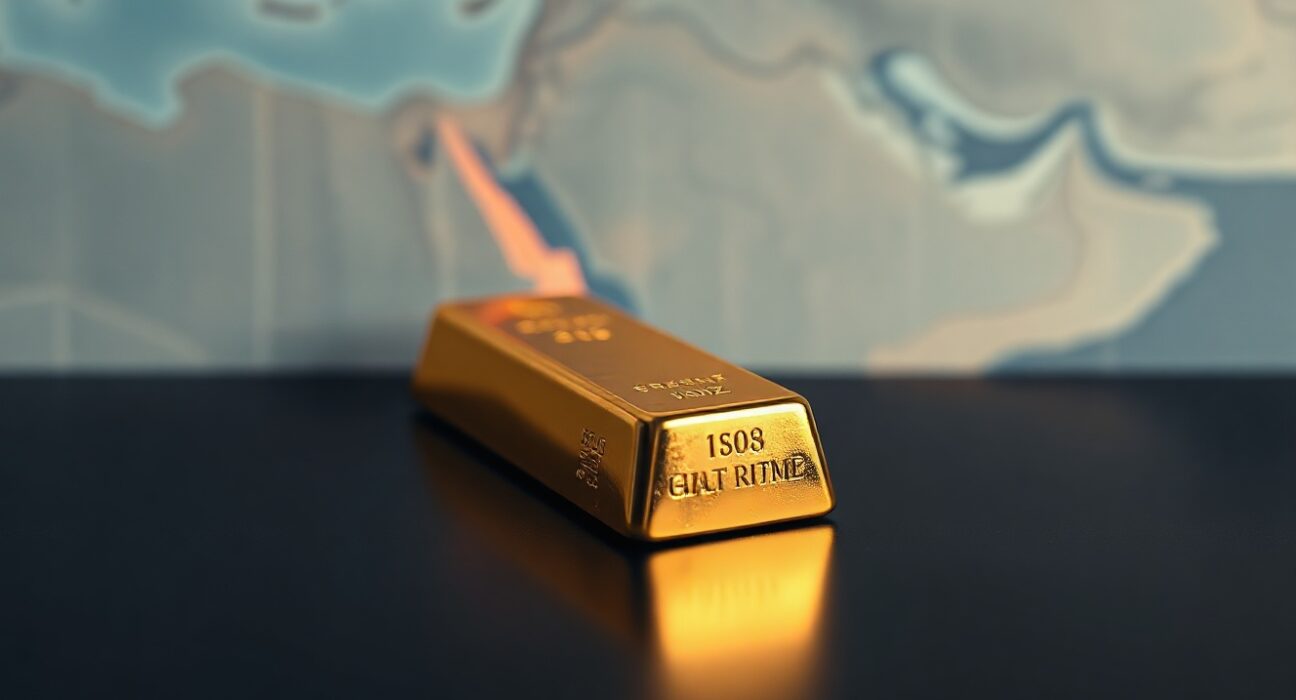
Gold prices maintained their position above the $4,700 mark on Tuesday, supported by escalating geopolitical tensions in the Strait of Hormuz, which simultaneously revived demand for the U.S. dollar as a safe-haven currency. The dual movement reflects growing investor caution amid disruptions to one of the world’s most critical oil transit chokepoints.
Geopolitical Context and Market Reaction
The Strait of Hormuz, a narrow waterway between Oman and Iran, handles roughly one-fifth of the global oil supply. Recent reports of increased naval activity and diplomatic friction have raised concerns about potential supply disruptions. Historically, such tensions trigger a flight to safety, benefiting both gold and the dollar, though often at the expense of riskier assets like equities.
Gold’s resilience above $4,700 underscores its role as a hedge against geopolitical uncertainty. The metal has gained approximately 12% year-to-date, partly driven by central bank purchases and persistent inflation concerns. Meanwhile, the dollar index edged higher as traders reduced exposure to emerging market currencies and commodities tied to global trade.
Implications for Investors
For market participants, the current environment presents a complex picture. While gold benefits from safe-haven flows, a stronger dollar typically exerts downward pressure on dollar-denominated commodities. However, the intensity of the geopolitical risk appears to be overriding this inverse correlation for now.
Analysts suggest that the situation in the Strait of Hormuz remains fluid, with any de-escalation potentially triggering a reversal in gold’s recent gains. Conversely, a prolonged standoff could push prices toward the $5,000 psychological level, especially if oil prices spike and fuel broader inflationary pressures.
Broader Economic Impact
Beyond precious metals, the tensions are reverberating through energy markets. Crude oil futures rose sharply, raising concerns about higher transportation and production costs globally. Central banks in Asia and Europe are closely monitoring the situation, as sustained oil price increases could complicate their inflation-fighting efforts.
The Federal Reserve’s next policy meeting will also factor into gold’s trajectory. If geopolitical risks persist, the Fed may face pressure to maintain or even cut rates to support economic growth, which would further support gold prices.
Conclusion
Gold’s ability to hold above $4,700 amid Hormuz tensions highlights its enduring appeal as a store of value during uncertainty. Investors should watch for diplomatic developments and central bank signals in the coming days, as these will likely determine whether the current trend continues or reverses. The situation remains dynamic, and caution is warranted.
FAQs
Q1: Why does the Strait of Hormuz matter for gold prices?
Disruptions in the Strait of Hormuz threaten global oil supply, increasing geopolitical risk. Investors often buy gold as a safe-haven asset during such uncertainty, driving prices higher.
Q2: How does a stronger USD affect gold?
A stronger dollar usually makes gold more expensive for foreign buyers, potentially lowering demand and prices. However, during severe geopolitical crises, gold’s safe-haven appeal can override this inverse relationship.
Q3: Could gold reach $5,000?
While possible if tensions escalate significantly and oil prices surge, such a move would require sustained risk aversion and supportive monetary policy. Current forecasts remain cautious.
Disclaimer: The information provided is not trading advice, Bitcoinworld.co.in holds no liability for any investments made based on the information provided on this page. We strongly recommend independent research and/or consultation with a qualified professional before making any investment decisions.
