

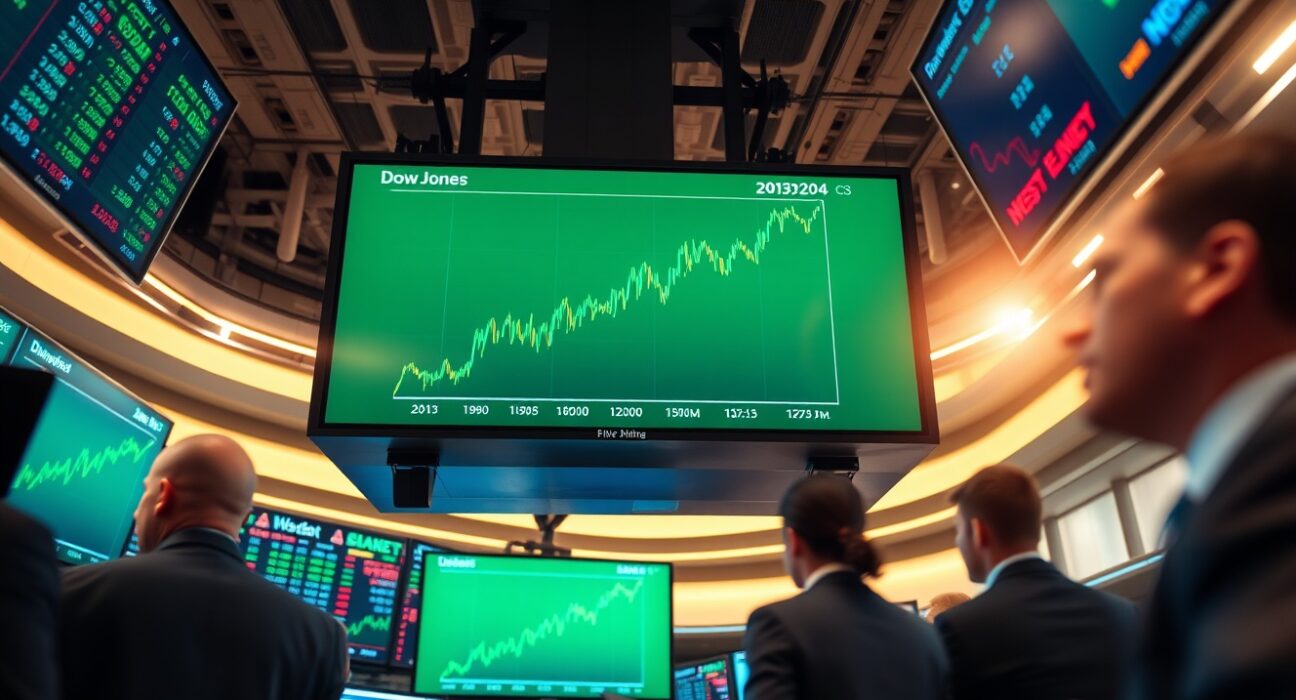
Dow Jones futures pared recent losses on Wednesday following reports of diplomatic talks between Iran and Oman, signaling a potential easing of geopolitical tensions that have weighed on global markets. The development offered a glimmer of relief to investors who have been navigating heightened uncertainty in the Middle East.
Market Response to Diplomatic Signals
Futures tied to the Dow Jones Industrial Average rose modestly in early trading after reports emerged that Iranian and Omani officials had engaged in discussions. While details remain scarce, the mere prospect of dialogue was enough to shift market sentiment, which had been dominated by fears of a broader regional conflict. The S&P 500 and Nasdaq futures also showed gains, though the Dow led the recovery.
The talks, reportedly focused on regional security and de-escalation, come at a time when oil prices have been volatile and safe-haven assets like gold have seen increased demand. Any reduction in geopolitical risk tends to benefit equities, particularly sectors like energy and defense that are sensitive to Middle East developments.
Context: Why This Matters for Markets
Geopolitical risk has been a persistent overhang for U.S. stocks in recent weeks. Investors have been pricing in the possibility of supply disruptions, sanctions, and broader instability. The Iran-Oman talks represent a rare diplomatic opening that could reduce the likelihood of direct confrontation, even if a breakthrough is not imminent.
Market analysts caution that the recovery in futures is tentative. The situation remains fluid, and any setback in negotiations could quickly reverse the gains. However, the initial positive reaction underscores how sensitive markets have become to any sign of de-escalation.
Broader Implications for Investors
For investors, the key takeaway is the importance of monitoring diplomatic channels alongside traditional economic data. The correlation between geopolitical headlines and market movements has strengthened, making it essential to stay informed on developments that may not be reflected in standard earnings reports or Federal Reserve guidance.
Oil prices, which had spiked on supply concerns, also eased slightly following the news. A sustained decline in crude could provide additional support to consumer stocks and transportation sectors, which have been pressured by higher input costs.
Conclusion
While the Dow Jones futures recovery is a positive sign, it reflects a market that remains on edge. The Iran-Oman talks are an early-stage development, and investors should brace for continued volatility. The ability of markets to sustain gains will depend on tangible progress in diplomatic efforts, as well as upcoming economic data releases that could shift the focus back to domestic fundamentals.
FAQs
Q1: Why did Dow Jones futures rise after the Iran-Oman talks?
Investors interpreted the talks as a potential step toward reducing geopolitical tensions in the Middle East, which had been weighing on market sentiment. Lower perceived risk often leads to buying in equities, especially after recent losses.
Q2: Are these gains likely to last?
Not necessarily. The recovery is based on early-stage diplomatic signals. Without concrete agreements or sustained progress, markets could quickly reverse. Investors should watch for official statements from both Iran and Oman.
Q3: How do Middle East tensions typically affect U.S. stock markets?
Geopolitical tensions can increase volatility, drive oil prices higher, and push investors toward safe-haven assets like gold and bonds. Sectors like energy and defense may benefit, while consumer and transportation stocks often face headwinds from higher costs.
Disclaimer: The information provided is not trading advice, Bitcoinworld.co.in holds no liability for any investments made based on the information provided on this page. We strongly recommend independent research and/or consultation with a qualified professional before making any investment decisions.
