

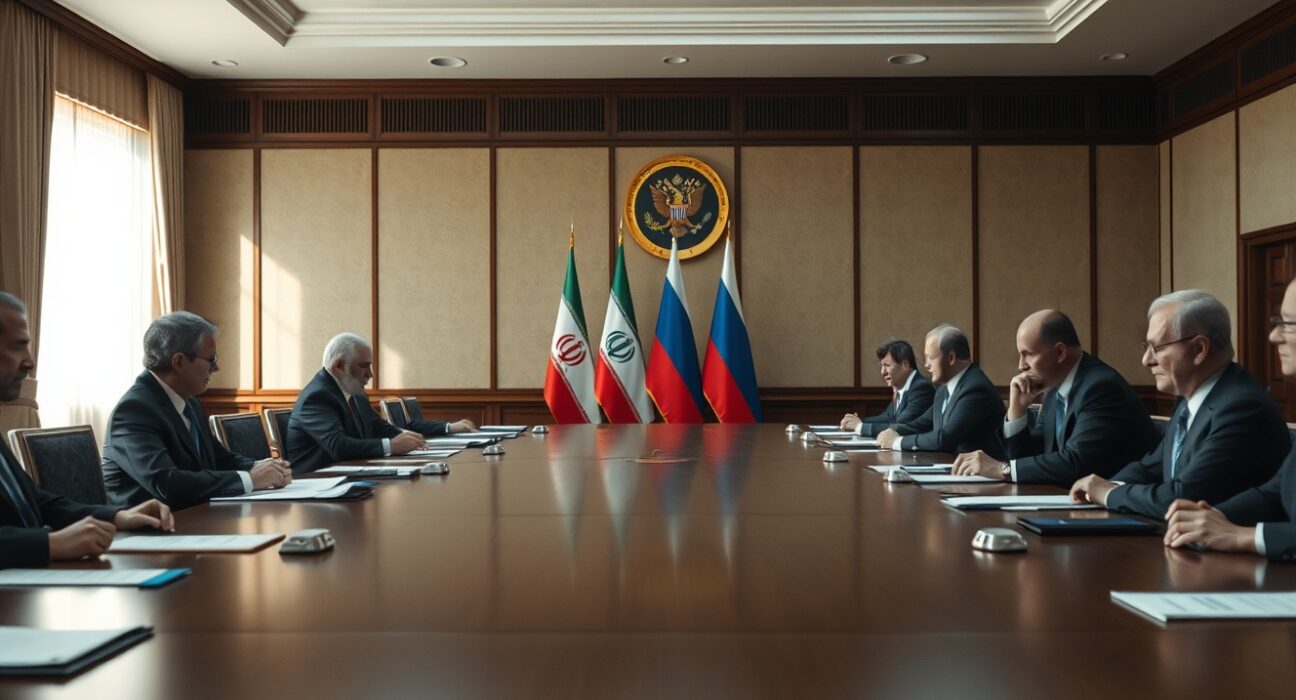
Iran has presented a new, multi-stage proposal for a long-term ceasefire agreement, signaling a potential shift in its negotiating stance amid heightened regional tensions. According to a report by Al Arabiya TV, the proposal includes a phased reopening of the strategic Strait of Hormuz, a key chokepoint for global oil shipments, and a commitment to freeze its nuclear program rather than dismantle it entirely.
Key Elements of Iran’s Proposal
The Iranian plan outlines several critical components. First, Tehran is demanding a secure, phased reopening of the Strait of Hormuz, which it has previously threatened to close in response to sanctions or military action. Second, the proposal includes a long-term freeze of Iran’s uranium enrichment activities, stopping short of the complete dismantlement that Western powers have historically demanded. Third, Iran has suggested it could unconditionally transfer its existing stockpile of enriched uranium to Russia, but explicitly not to the United States, citing a lack of trust in Washington’s commitments.
Strategic Implications for Global Energy and Nuclear Diplomacy
The proposal comes at a time when the Strait of Hormuz remains a flashpoint for global energy security. Approximately 20% of the world’s oil passes through the waterway, and any disruption could send shockwaves through energy markets. Iran’s willingness to discuss a phased reopening suggests a tactical concession aimed at easing international pressure while preserving its leverage.
The nuclear freeze offer, rather than dismantlement, reflects Iran’s long-standing position that its enrichment program is for peaceful purposes. By proposing to transfer enriched uranium to Russia, Iran seeks to address Western concerns about potential weaponization while avoiding the permanent loss of its nuclear infrastructure. Russia’s role as a trusted intermediary could reshape the dynamics of ongoing negotiations, potentially sidelining the U.S. from direct involvement in the most sensitive aspects of the deal.
Why This Matters Now
This development is significant for several reasons. It marks one of the most detailed diplomatic overtures from Iran in recent months, following a period of stalled talks and escalating rhetoric. The multi-stage approach suggests Iran is seeking a gradual de-escalation that allows both sides to build confidence over time. For global markets, the prospect of a stable Strait of Hormuz could ease oil price volatility. For non-proliferation efforts, the proposal tests whether a freeze-and-transfer model can satisfy international security concerns without requiring full denuclearization.
Reactions and Next Steps
International reaction has been cautious. Western officials have not publicly endorsed the plan, with some expressing skepticism about Iran’s long-term intentions. The U.S. has reiterated its position that any agreement must include robust verification mechanisms. Russia, meanwhile, has not formally responded to the uranium transfer proposal, though its historical role as a nuclear partner to Iran makes it a plausible intermediary. Diplomatic sources indicate that informal discussions may continue in the coming weeks, with no formal negotiation timeline yet established.
Conclusion
Iran’s multi-stage proposal represents a notable diplomatic initiative that could alter the trajectory of nuclear and regional security talks. While significant hurdles remain—particularly regarding verification, the pace of sanctions relief, and the role of the U.S.—the offer provides a potential framework for de-escalation. For now, the proposal underscores Iran’s strategic preference for negotiated leverage over confrontation, and its willingness to use Russia as a channel to bypass direct U.S. engagement.
FAQs
Q1: What is the Strait of Hormuz and why is it important?
The Strait of Hormuz is a narrow waterway between Iran and Oman through which about 20% of the world’s oil passes. Its closure could cause major disruptions to global energy supplies and price spikes.
Q2: Why does Iran want to transfer enriched uranium to Russia instead of the U.S.?
Iran has cited a lack of trust in the United States, rooted in the U.S. withdrawal from the 2015 nuclear deal and subsequent reimposition of sanctions. Russia has historically been a nuclear partner and is seen as a more reliable intermediary.
Q3: Does this proposal mean Iran is giving up its nuclear program?
No. The proposal calls for a long-term freeze of enrichment activities, not a complete dismantlement. Iran retains its nuclear infrastructure and the knowledge to resume enrichment, which remains a point of contention with Western powers.
Disclaimer: The information provided is not trading advice, Bitcoinworld.co.in holds no liability for any investments made based on the information provided on this page. We strongly recommend independent research and/or consultation with a qualified professional before making any investment decisions.
