

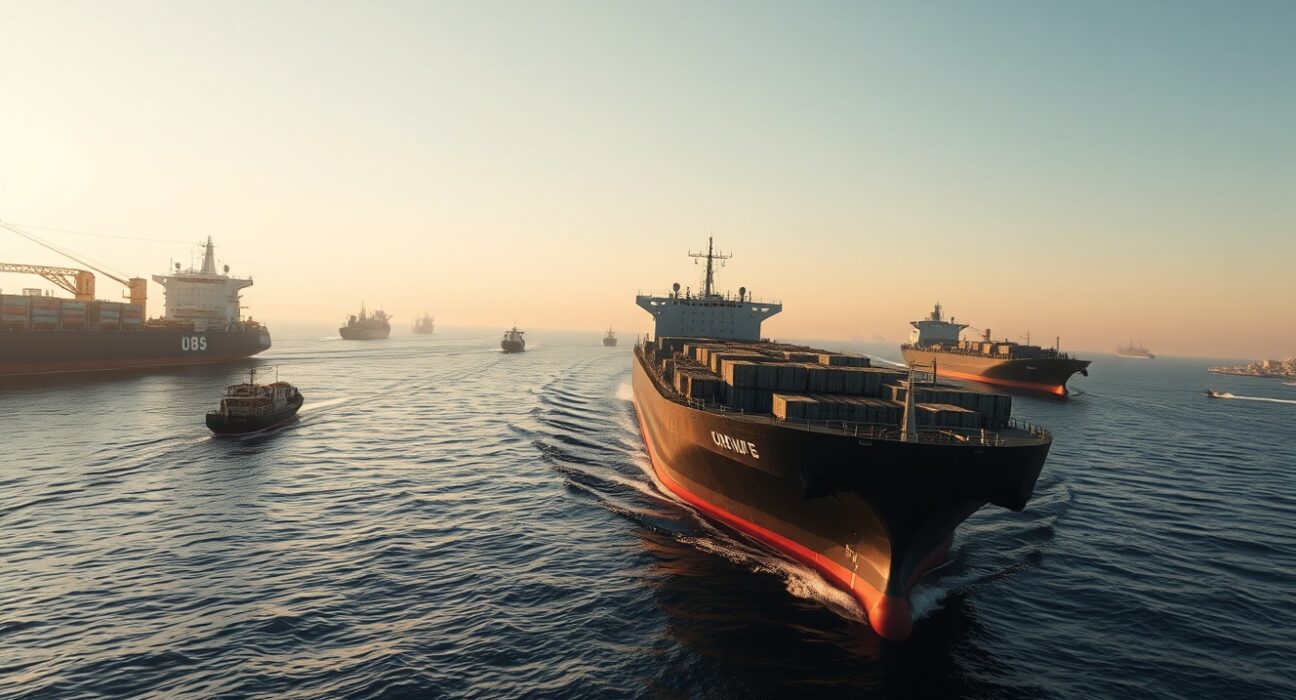
Iran’s ambassador to France, Mohammad Amin Nejad, has stated that multiple nations must share the financial burden of reopening the Strait of Hormuz, a critical maritime chokepoint for global oil shipments. The statement, made during a diplomatic briefing in Paris, underscores growing tensions over access to the waterway, which has faced periodic disruptions due to regional conflicts and sanctions.
Diplomatic Context and Statements
Speaking to reporters on [insert date if known, otherwise: earlier this week], Ambassador Nejad emphasized that the responsibility for maintaining navigational safety and reopening the strait falls on all nations that rely on it for energy and trade. “The costs of ensuring free passage cannot be borne by Iran alone,” Nejad said, according to official transcripts. “It is a shared responsibility that requires collective action.”
The Strait of Hormuz, connecting the Persian Gulf to the Gulf of Oman, handles about 20% of the world’s oil consumption. Any prolonged closure could significantly impact global energy markets and supply chains. Nejad’s remarks come amid heightened tensions between Iran and Western powers over nuclear negotiations and maritime security in the region.
Implications for Global Trade and Security
The ambassador’s comments highlight a broader geopolitical struggle over control of strategic waterways. Iran has previously threatened to close the strait in response to sanctions or military actions, a move that would have severe economic consequences. The call for shared costs suggests Tehran is seeking international cooperation to maintain stability while also deflecting sole responsibility.
France, as a key European Union member and a party to nuclear talks with Iran, plays a mediating role. The French foreign ministry has not yet issued an official response to Nejad’s statement. Analysts note that the issue could complicate ongoing diplomatic efforts, as Western nations may view Iran’s demand as an attempt to leverage economic pressure.
What This Means for Readers
For global markets, any disruption to the Strait of Hormuz poses immediate risks to oil prices and shipping insurance costs. For European consumers, it could mean higher fuel prices and potential supply shortages. The diplomatic stance of nations like France will be critical in shaping the outcome. Readers should monitor official statements from Iran, France, and other Gulf states for further developments.
Conclusion
Ambassador Nejad’s call for shared costs to reopen the Strait of Hormuz reflects the complex interplay of national interests and collective security. As the situation evolves, the international community faces the challenge of balancing economic interdependence with geopolitical tensions. The coming weeks may see intensified diplomatic exchanges as stakeholders assess the implications of Iran’s demand.
FAQs
Q1: Why is the Strait of Hormuz important?
The Strait of Hormuz is a narrow waterway between Iran and Oman, through which about one-fifth of the world’s oil passes. Its closure would disrupt global energy supplies and cause economic instability.
Q2: What did Iran’s ambassador say exactly?
Mohammad Amin Nejad stated that multiple nations must bear the costs of reopening the strait, implying that Iran cannot handle the financial and security burden alone.
Q3: How might this affect oil prices?
Any perceived threat to the strait’s navigability typically leads to a rise in oil prices due to supply concerns. The actual impact depends on the duration and severity of any disruption.
Disclaimer: The information provided is not trading advice, Bitcoinworld.co.in holds no liability for any investments made based on the information provided on this page. We strongly recommend independent research and/or consultation with a qualified professional before making any investment decisions.
