

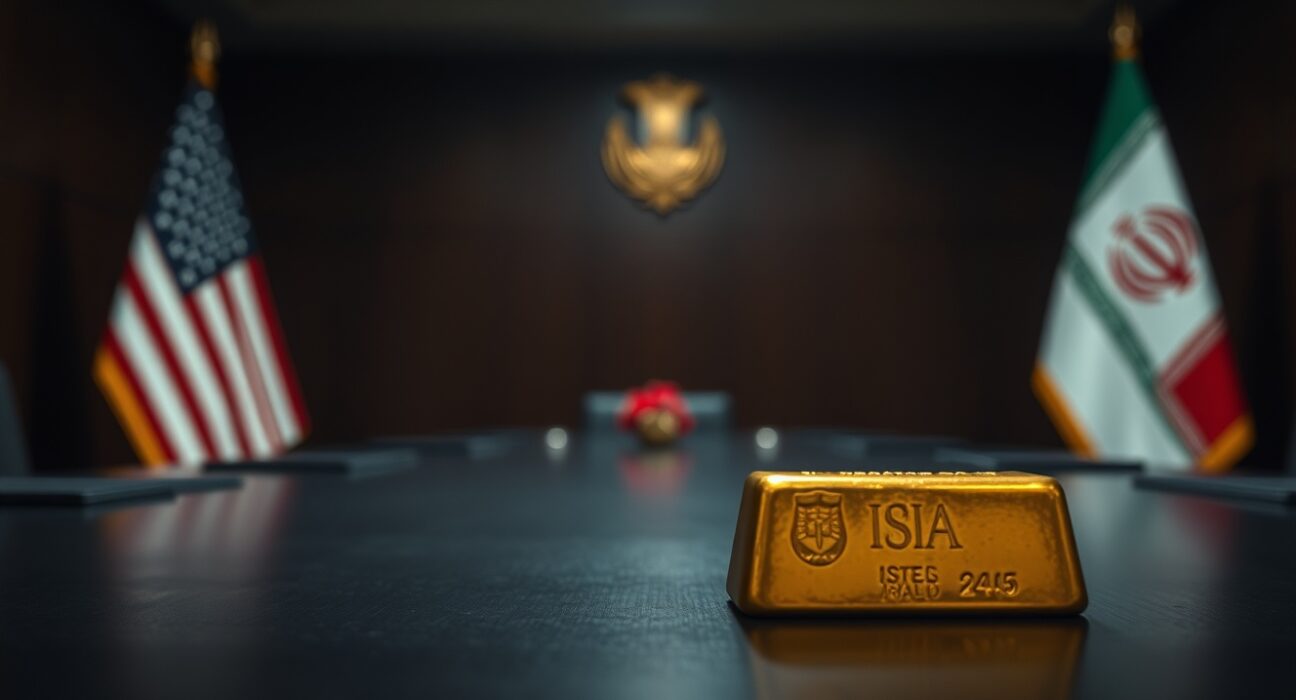
Gold prices edged lower on Wednesday as diplomatic sources confirmed that Iran’s insistence on retaining enriched uranium stockpiles has emerged as a major sticking point in renewed US-Iran nuclear negotiations. The precious metal, which had rallied earlier in the week on safe-haven buying, slipped as traders reassessed the likelihood of a near-term agreement.
Iran’s Uranium Demands Stall Progress
According to officials familiar with the talks, Tehran is demanding the right to maintain a uranium enrichment capacity well beyond the limits set by the 2015 Joint Comprehensive Plan of Action (JCPOA). The US delegation, led by Special Envoy for Iran, has countered with demands for full International Atomic Energy Agency (IAEA) access and a verifiable cap on enrichment levels. The standoff has pushed the negotiations into a second week, with no breakthrough in sight.
The development marks a significant setback for diplomatic efforts that had shown tentative progress earlier this month. Iran’s position is seen as a response to the US withdrawal from the original nuclear deal in 2018 under the previous administration, which led to a sharp increase in Iranian enrichment activities.
Market Reaction and Safe-Haven Dynamics
Spot gold fell 0.6% to $2,385 per ounce by midday trading in London, reversing gains from the previous session. Analysts attributed the decline to profit-taking and a recalibration of risk premiums. While geopolitical tensions typically boost demand for safe-haven assets like gold, the market is now pricing in a prolonged negotiation timeline rather than an immediate conflict scenario.
“Gold’s reaction reflects a market that is becoming accustomed to drawn-out diplomatic standoffs,” said a senior commodities strategist at a European bank. “The immediate risk of escalation appears contained, but the underlying uncertainty remains supportive for gold over the medium term.”
What This Means for Investors
The stalled talks underscore the fragility of geopolitical risk premiums in precious metals markets. For investors, the key takeaway is that gold may remain range-bound as long as diplomatic channels stay open, even if progress is slow. However, any breakdown in negotiations or new sanctions could quickly reignite safe-haven flows.
Beyond gold, the broader commodities complex showed mixed signals. Crude oil prices held steady, while industrial metals like copper edged lower on concerns about global trade disruptions.
Conclusion
Gold’s retreat highlights the delicate balance between geopolitical risk and market expectations. While Iran’s uranium demands have complicated the path to a nuclear deal, the absence of immediate confrontation has allowed gold to give back some of its recent gains. The trajectory of negotiations will remain a key driver for precious metals in the weeks ahead, with investors watching for any signs of diplomatic progress or deterioration.
FAQs
Q1: Why did gold prices fall despite geopolitical tensions?
Gold fell as traders took profits after earlier safe-haven gains, and the market assessed that the US-Iran talks, while stalled, have not collapsed entirely. The absence of an immediate escalation reduced the urgency for holding gold as a hedge.
Q2: What is Iran’s position on uranium enrichment in the current talks?
Iran is demanding the right to maintain a uranium enrichment capacity above the limits set by the 2015 JCPOA, including retaining enriched stockpiles. The US insists on strict IAEA verification and a verifiable cap on enrichment levels.
Q3: How could the outcome of US-Iran negotiations affect gold prices?
If talks break down or new sanctions are imposed, gold could rally on heightened geopolitical risk. Conversely, a successful agreement that eases tensions could reduce safe-haven demand and put downward pressure on gold prices.
Disclaimer: The information provided is not trading advice, Bitcoinworld.co.in holds no liability for any investments made based on the information provided on this page. We strongly recommend independent research and/or consultation with a qualified professional before making any investment decisions.
