

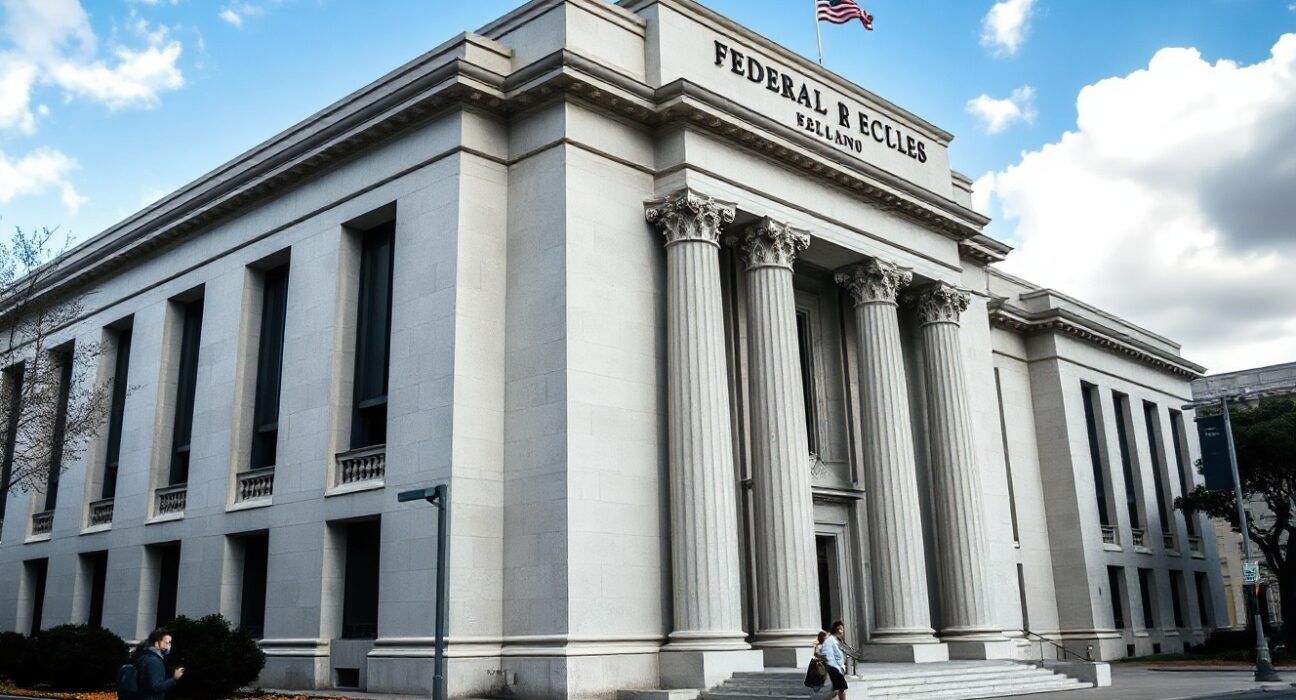
Federal Reserve policymakers are engaged in an internal debate over whether to extend or make permanent the dollar swap lines that provide liquidity to major global central banks, according to sources familiar with the discussions. The swap lines, which were expanded during the 2008 financial crisis and again during the COVID-19 pandemic, allow central banks in economies like the eurozone, Japan, the United Kingdom, and Switzerland to borrow U.S. dollars from the Fed in exchange for their own currencies.
Background of the Dollar Swap Line Program
The Federal Reserve established standing swap lines with the Bank of Canada, the Bank of England, the Bank of Japan, the European Central Bank, and the Swiss National Bank in 2013. These arrangements were designed to ease strains in global dollar funding markets and prevent financial contagion. During the pandemic, the Fed reactivated and expanded swap lines to additional central banks, including those in emerging economies, to stabilize global markets. The current debate centers on whether to extend these temporary lines or formalize them as a permanent fixture of the global financial architecture.
Arguments For and Against Extension
Support for Permanent Swap Lines
Proponents argue that permanent swap lines reduce uncertainty in global financial markets, lower the risk of dollar funding freezes, and strengthen the Fed’s role as a global lender of last resort. They point to the lines’ effectiveness during past crises, where they helped narrow credit spreads and stabilize exchange rates. Central banks in emerging markets have also expressed interest in gaining access to similar arrangements to buffer against dollar shortages.
Concerns and Opposition
Opponents, including some Fed officials and lawmakers, raise concerns about moral hazard, arguing that permanent swap lines could encourage excessive risk-taking by foreign banks and governments. There are also questions about the Fed’s accountability and the potential for foreign exchange losses if swap lines are used extensively. Some critics contend that the program should remain temporary and tied to specific emergencies, rather than becoming a standing policy that could blur the lines between domestic and international monetary policy.
Implications for Global Financial Stability
The outcome of this debate carries significant implications for global financial stability. If the Fed decides to extend the swap lines, it could reinforce confidence in dollar-denominated assets and reduce the likelihood of liquidity crises in foreign markets. A decision to let the temporary lines expire, however, could increase volatility and prompt other central banks to seek alternative arrangements, such as bilateral swap agreements with China or other reserve currency issuers.
The discussion also comes amid broader shifts in the global financial system, including the rise of digital currencies and efforts by some nations to reduce reliance on the U.S. dollar. A permanent swap line program could help maintain the dollar’s dominance in international trade and finance, while a more limited approach might accelerate diversification away from the greenback.
What to Watch Next
Market participants and policymakers are closely watching for signals from the Federal Open Market Committee (FOMC) meeting minutes and public statements from Fed officials. Any formal proposal would likely require coordination with the U.S. Treasury and could face legislative scrutiny. The next FOMC meeting is scheduled for late July, and analysts expect the swap line issue to be discussed in the context of broader financial stability assessments.
Conclusion
The Federal Reserve’s debate over dollar swap lines reflects a broader tension between maintaining flexibility in crisis response and establishing predictable frameworks for global liquidity. The decision will shape how central banks around the world manage dollar funding risks and could influence the trajectory of international monetary cooperation for years to come.
FAQs
Q1: What are dollar swap lines?
Dollar swap lines are agreements between the Federal Reserve and other central banks that allow those central banks to borrow U.S. dollars in exchange for their own currencies. They are used to provide liquidity to financial institutions in foreign countries that need dollars to settle transactions or meet obligations.
Q2: Why does the Fed provide dollar swap lines?
The Fed provides swap lines to prevent disruptions in global dollar funding markets, which can occur during financial crises. By ensuring that foreign banks have access to dollars, the swap lines help stabilize global financial markets and reduce the risk of contagion that could affect the U.S. economy.
Q3: Which central banks currently have access to Fed swap lines?
The Fed has standing swap lines with the Bank of Canada, the Bank of England, the Bank of Japan, the European Central Bank, and the Swiss National Bank. Temporary swap lines were also established with central banks in several emerging economies during the pandemic, but many of those have expired or are under review.
Disclaimer: The information provided is not trading advice, Bitcoinworld.co.in holds no liability for any investments made based on the information provided on this page. We strongly recommend independent research and/or consultation with a qualified professional before making any investment decisions.
