

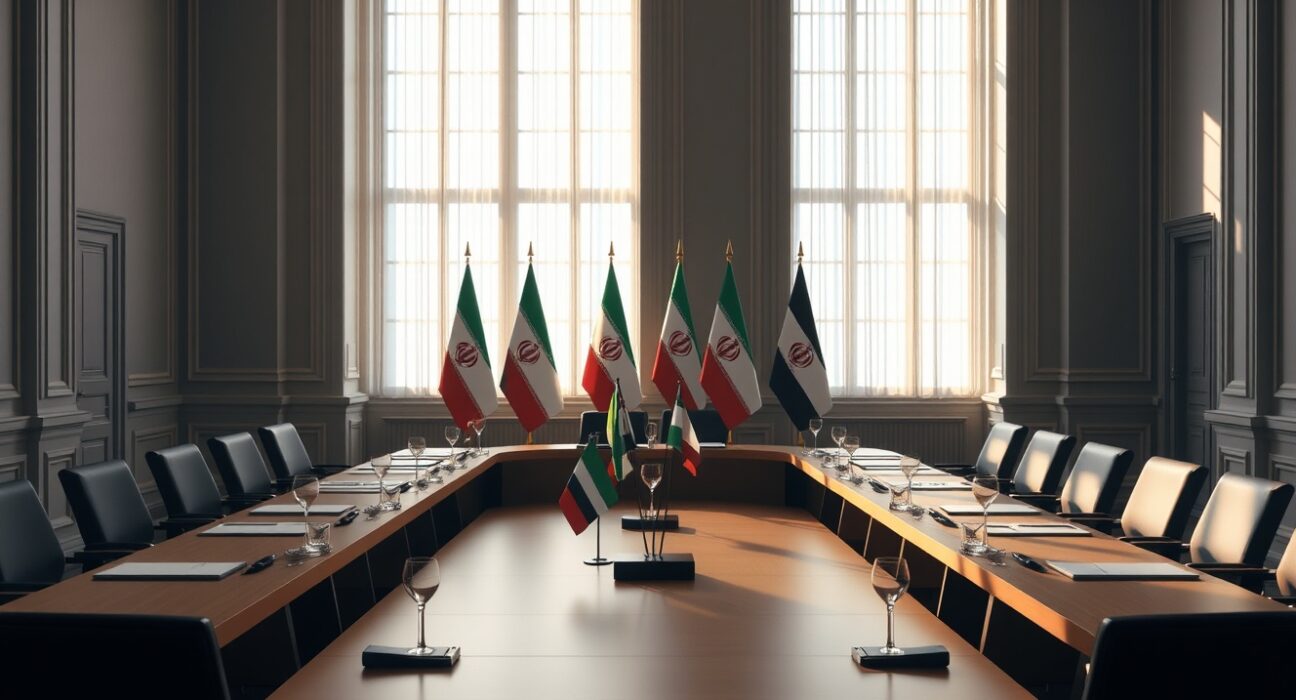
Negotiations over Iran’s nuclear program have not yet produced a final agreement, but the gap between the parties has narrowed, a senior Iranian source told Reuters. The update comes amid ongoing talks in Vienna aimed at reviving the 2015 Joint Comprehensive Plan of Action (JCPOA), a deal that has been in jeopardy since the United States withdrew in 2018.
Progress Amid Persistent Challenges
The senior Iranian official, speaking on condition of anonymity, indicated that while no breakthrough has been achieved, the tone and substance of recent discussions reflect a more constructive atmosphere. The talks, which have dragged on for months, focus on key sticking points including the extent of uranium enrichment, sanctions relief, and verification mechanisms.
Western diplomats have previously expressed cautious optimism, though they emphasize that significant gaps remain. The narrowing of differences suggests both sides may be moving toward a middle ground, but the lack of a final deal underscores the complexity of the negotiations.
Why the Talks Matter
The JCPOA, originally signed by Iran and six world powers, placed limits on Iran’s nuclear activities in exchange for lifting economic sanctions. After the U.S. withdrawal under the Trump administration and Iran’s subsequent breaches of enrichment limits, the deal’s future has been uncertain. A renewed agreement could reduce regional tensions, stabilize oil markets, and reshape diplomatic dynamics in the Middle East.
For global markets and energy security, the outcome of these talks carries significant weight. Iran holds some of the world’s largest oil and gas reserves, and any relaxation of sanctions could increase global supply, potentially lowering prices.
What Remains Unresolved
Key unresolved issues include Iran’s demand for a guarantee that future U.S. administrations will not abandon the deal, the scope of sanctions relief, and the pace of Iran’s compliance with nuclear restrictions. The International Atomic Energy Agency (IAEA) continues to monitor Iran’s activities, and recent reports show that Iran has enriched uranium to levels beyond JCPOA limits.
The narrowing of differences is a positive signal, but veteran analysts caution that past rounds of talks have seen similar optimism fade. The coming weeks will be critical in determining whether a formal agreement can be finalized.
Conclusion
The Iran nuclear talks remain in a delicate phase. While the narrowing of differences offers hope for a diplomatic resolution, no deal has been reached. The international community watches closely, as the outcome will have far-reaching implications for non-proliferation, regional security, and global energy markets.
FAQs
Q1: What is the current status of the Iran nuclear talks?
The talks are ongoing in Vienna. No final agreement has been reached, but a senior Iranian source reports that differences between the parties have narrowed.
Q2: Why are these negotiations important?
Reviving the JCPOA could limit Iran’s nuclear program, lift economic sanctions, reduce Middle East tensions, and affect global oil markets.
Q3: What are the main obstacles to a deal?
Key obstacles include guarantees against future U.S. withdrawal, the scope of sanctions relief, Iran’s enrichment levels, and verification measures.
Disclaimer: The information provided is not trading advice, Bitcoinworld.co.in holds no liability for any investments made based on the information provided on this page. We strongly recommend independent research and/or consultation with a qualified professional before making any investment decisions.
