

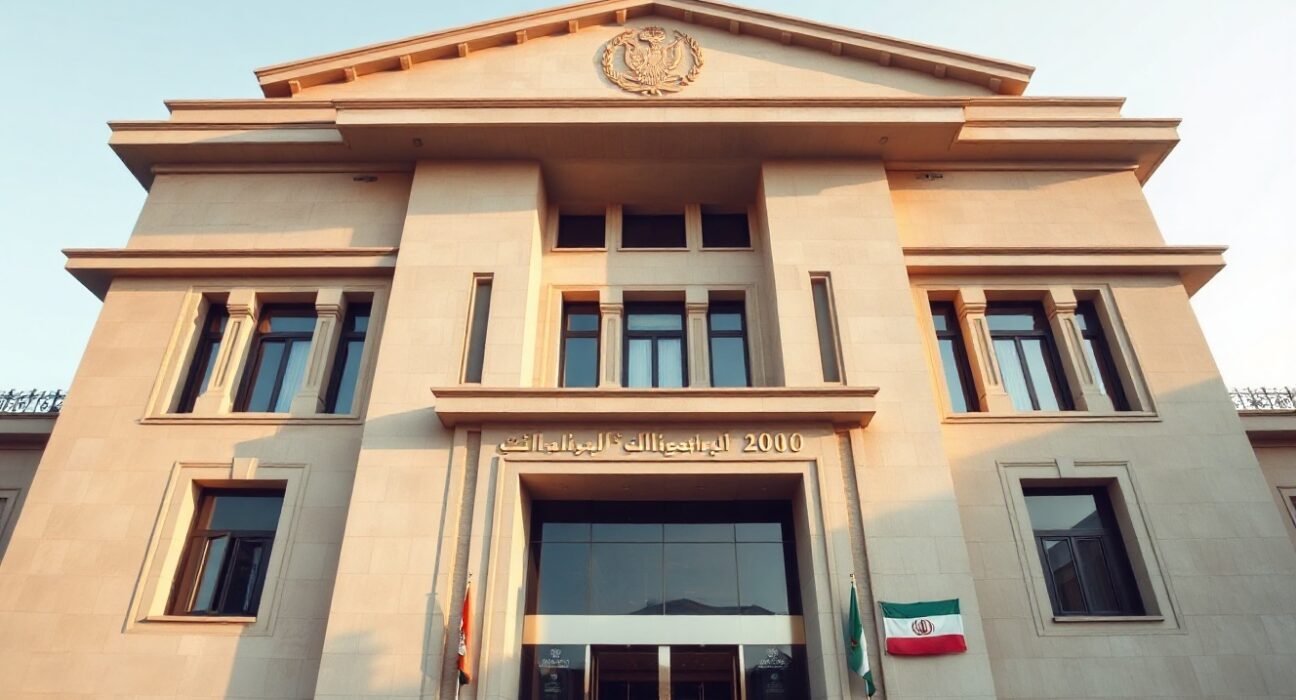
Iran’s Foreign Ministry has reiterated that diplomatic negotiations are a lengthy process, cautioning that multiple rounds of talks over weeks or months do not necessarily lead to a final agreement. The statement, reported by the Islamic Republic News Agency (IRNA), underscores Tehran’s position as international discussions over its nuclear program continue without a clear breakthrough.
Diplomatic Process Requires Patience
A spokesperson for the Iranian Foreign Ministry told IRNA that diplomacy inherently takes time and that the outcome of negotiations cannot be guaranteed. The remarks come amid ongoing talks between Iran and world powers aimed at reviving the 2015 nuclear deal, formally known as the Joint Comprehensive Plan of Action (JCPOA).
Western diplomats have expressed frustration over the slow pace of negotiations, with some accusing Iran of stalling tactics. Iran, however, maintains that it is committed to a diplomatic resolution but will not be rushed into an unfavorable agreement.
Implications for Nuclear Talks
The statement signals that Tehran is preparing domestic and international audiences for a protracted negotiation timeline. This approach may be intended to manage expectations while buying time for Iran to continue its nuclear enrichment activities, which have advanced significantly since the U.S. withdrew from the deal in 2018.
Analysts note that Iran’s position could complicate efforts by the Biden administration and European allies to restore the JCPOA. The lack of guaranteed results from talks also raises the possibility that diplomatic channels may eventually reach an impasse, increasing the risk of further escalation.
What This Means for Regional Stability
The prolonged uncertainty over Iran’s nuclear program has broader implications for the Middle East. Neighboring countries, including Israel and Gulf Arab states, have expressed alarm over Iran’s nuclear progress. A drawn-out diplomatic process without concrete results could fuel regional tensions and prompt further security realignments.
For global markets, the lack of a clear timeline for a nuclear deal keeps oil supply concerns alive. Iran’s return to international oil markets has been a key variable in energy price forecasts, and continued delays in negotiations maintain a degree of uncertainty.
Conclusion
Iran’s Foreign Ministry has made clear that it views diplomacy as a long-term endeavor with no guaranteed outcomes. The statement reflects Tehran’s strategic patience as nuclear talks proceed without a definitive end in sight. For observers, the message is a reminder that a swift resolution to the nuclear impasse remains unlikely.
FAQs
Q1: Why did Iran say diplomacy takes time?
Iran’s Foreign Ministry made the statement to manage expectations about the pace and outcome of ongoing nuclear negotiations, emphasizing that talks may not produce immediate results.
Q2: What are the current nuclear talks about?
The talks focus on reviving the 2015 Joint Comprehensive Plan of Action (JCPOA), which limited Iran’s nuclear program in exchange for sanctions relief. The U.S. withdrew from the deal in 2018, leading to Iran’s advancement of its nuclear activities.
Q3: How does this affect the global oil market?
Iran’s potential return to international oil markets depends on a successful nuclear deal. Delays in negotiations maintain uncertainty about future oil supply, which can influence global energy prices.
Disclaimer: The information provided is not trading advice, Bitcoinworld.co.in holds no liability for any investments made based on the information provided on this page. We strongly recommend independent research and/or consultation with a qualified professional before making any investment decisions.
