

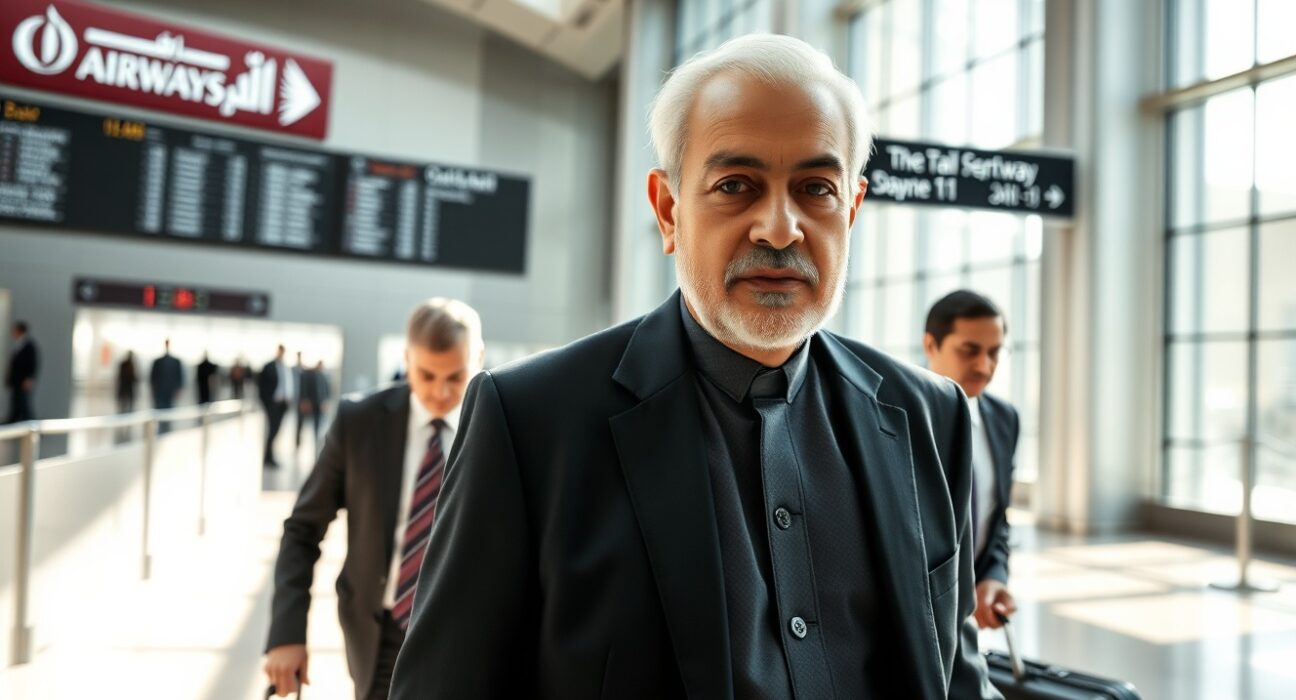
Iran’s central bank governor has traveled to Qatar for high-level discussions aimed at unlocking billions of dollars in frozen assets, according to Iranian state media. The trip, which comes amid renewed diplomatic engagement between Tehran and Washington, signals a potential shift in the financial impasse that has constrained Iran’s economy for years.
Context of the Frozen Funds
Iran has long sought access to funds held in foreign accounts, particularly in South Korea, Iraq, and Luxembourg, as a result of U.S. sanctions. Estimates suggest the total value of frozen Iranian assets exceeds $7 billion, with a significant portion tied up in South Korean banks due to restrictions on oil payments. The funds are technically Iranian property but have been inaccessible under sanctions regimes that prohibit most financial transactions with the Islamic Republic.
The choice of Qatar as a venue is strategic. Doha has served as a key intermediary between Iran and the United States in recent months, facilitating indirect talks on prisoner exchanges and nuclear program limitations. The Qatari government has also offered to help manage the release of frozen funds in stages, ensuring compliance with international sanctions while providing Iran with access to essential foreign currency.
Diplomatic and Economic Implications
The timing of the central bank chief’s visit is notable. It follows reports that the United States and Iran are edging closer to a temporary understanding that could see some sanctions relief in exchange for verifiable steps to curb Iran’s uranium enrichment activities. While no formal agreement has been announced, the movement of senior Iranian financial officials suggests behind-the-scenes progress.
For Iran’s economy, access to frozen funds would provide a critical buffer. The rial has lost significant value against the dollar in recent years, and inflation remains high. Unfreezing even a portion of the assets could help stabilize the currency and ease import costs for essential goods such as food and medicine.
What This Means for Regional Dynamics
Qatar’s role as a financial intermediary also reflects its broader ambition to position itself as a neutral broker in Middle Eastern diplomacy. By facilitating the release of Iranian funds, Doha strengthens its ties with both Tehran and Washington, reinforcing its status as a key player in regional stability efforts.
However, critics warn that unfreezing assets without a binding nuclear deal could allow Iran to use the funds to support proxy groups in the region. The United States has insisted that any released funds must be used exclusively for humanitarian purposes, with strict monitoring mechanisms in place.
Conclusion
The Iranian central bank chief’s visit to Qatar is a tangible sign that diplomatic channels are active, even as broader nuclear negotiations remain stalled. Whether the talks lead to an actual release of funds depends on continued cooperation between Tehran, Washington, and Doha. For now, the movement signals that both sides see value in incremental progress rather than waiting for a comprehensive deal.
FAQs
Q1: Why are Iran’s funds frozen?
Iran’s assets are frozen primarily due to U.S. sanctions that restrict financial transactions with the Iranian government and its central bank. The funds are held in foreign banks, mostly from oil sales, but cannot be repatriated without violating sanctions.
Q2: How much money is Iran trying to access?
Estimates vary, but the total is believed to be over $7 billion, with the largest portion held in South Korea. Smaller amounts are in Iraq, Luxembourg, and other countries.
Q3: Could the funds be used for military purposes?
The U.S. and its allies insist that any released funds be restricted to humanitarian imports such as food, medicine, and agricultural goods. Monitoring mechanisms are typically included to prevent diversion to military or proxy activities.
Disclaimer: The information provided is not trading advice, Bitcoinworld.co.in holds no liability for any investments made based on the information provided on this page. We strongly recommend independent research and/or consultation with a qualified professional before making any investment decisions.
