

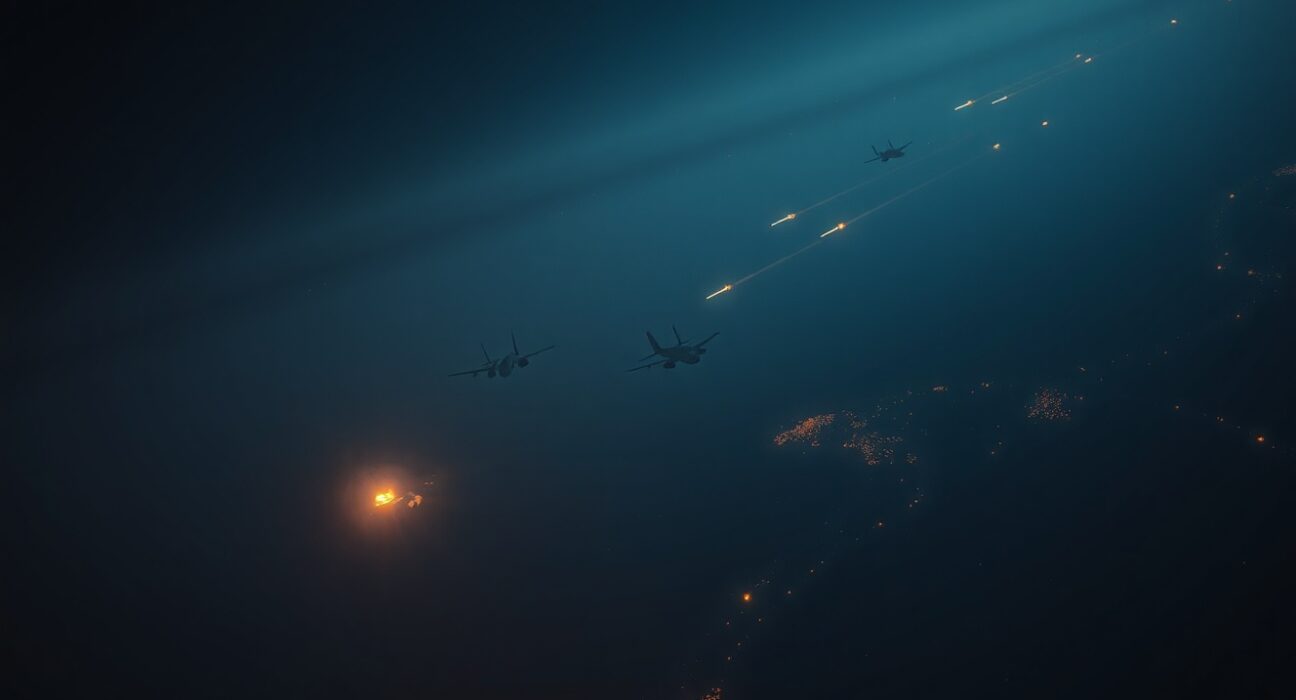
U.S. Central Command (CENTCOM) announced on July 23 that it had resumed nighttime airstrikes on Iranian military targets at 6:45 p.m. local time, marking the 13th consecutive day of operations. The strikes are part of an ongoing campaign to hold Iran accountable and degrade threats posed by the Islamic Revolutionary Guard Corps (IRGC) to commercial shipping in the region.
Background and Context of the Strikes
The latest operations come amid heightened tensions in the Persian Gulf and surrounding waterways, where the IRGC has been accused of harassing, seizing, and attacking commercial vessels. CENTCOM stated that the strikes specifically targeted IRGC-linked facilities and assets involved in these maritime threats. The decision to resume nighttime operations follows a brief pause earlier in the week, which officials described as a tactical reassessment.
Implications for Regional Security
The sustained campaign underscores the Biden administration’s commitment to protecting freedom of navigation, a critical issue given that roughly 20% of the world’s oil supply transits through the Strait of Hormuz. Military analysts note that the strikes are calibrated to avoid escalation into a broader conflict while maintaining pressure on Iran. The IRGC has not publicly commented on the extent of damage from the latest strikes, but regional observers report increased naval patrols by both U.S. and allied forces.
What This Means for Commercial Shipping
For shipping companies and insurers, the ongoing operations introduce additional uncertainty. Several major carriers have already rerouted vessels away from the region, increasing transit times and costs. The U.S. Navy has urged commercial operators to maintain communication with coalition forces and report any suspicious activity. The long-term effectiveness of the strikes in deterring future IRGC actions remains to be seen, but CENTCOM has indicated it will continue operations as needed.
Conclusion
The resumption of nighttime airstrikes represents the latest phase in a sustained U.S. military effort to counter Iranian threats to commercial shipping. While the immediate tactical impact is clear, the broader strategic outcome will depend on Iran’s response and the international community’s ability to de-escalate tensions through diplomatic channels. The situation remains fluid, and further developments are expected in the coming days.
FAQs
Q1: Why is the U.S. targeting Iranian military sites at night?
Nighttime operations are often chosen for tactical advantages, including reduced visibility for ground-based defenses and the element of surprise. CENTCOM has not specified the exact rationale for the timing, but nighttime strikes are common in precision campaigns.
Q2: How are these strikes affecting global oil prices?
Oil markets have shown moderate volatility, with Brent crude fluctuating around $80 per barrel. Analysts say the strikes add a risk premium but have not yet caused major supply disruptions, as shipping routes remain open under coalition escort.
Q3: What is the IRGC’s role in threats to commercial shipping?
The IRGC has been accused of using speedboats, drones, and mines to harass or seize vessels in the Persian Gulf and Strait of Hormuz. U.S. officials say the group’s actions violate international maritime law and threaten regional stability.
Disclaimer: The information provided is not trading advice, Bitcoinworld.co.in holds no liability for any investments made based on the information provided on this page. We strongly recommend independent research and/or consultation with a qualified professional before making any investment decisions.
