

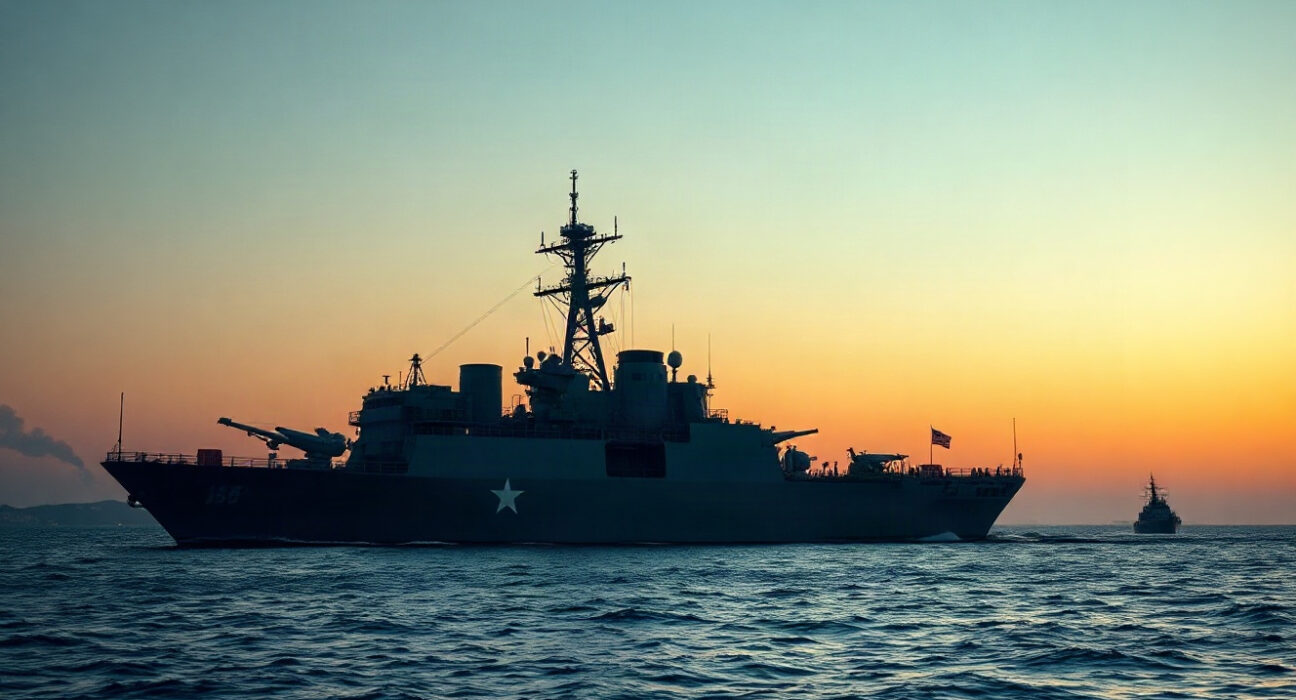
The US military has confirmed that it carried out strikes on Iranian air defense and naval sites, marking a significant escalation in regional tensions. The operation, which occurred on [Date], targeted specific military infrastructure in response to recent attacks on US personnel and interests in the region.
Details of the Strikes
The strikes were conducted by US forces, including aircraft and naval assets, against Iranian air defense systems and naval installations. According to US Central Command, the operation was designed to degrade Iran’s ability to conduct future attacks and to protect US and coalition forces operating in the area. The exact locations of the strikes have not been fully disclosed, but reports indicate they were focused on strategic coastal sites along the Persian Gulf.
The decision to strike follows a series of provocations, including drone and missile attacks on US bases and commercial shipping in the region. US officials have stated that the strikes were necessary to restore deterrence and to send a clear message that attacks on US personnel will not go unanswered.
Context and Background
Tensions between the US and Iran have been elevated for months, with a series of incidents involving naval vessels, oil tankers, and military assets. The latest strikes come after the US accused Iran of being behind recent attacks on American forces in Iraq and Syria. Iran has denied involvement in some of these incidents, but the US maintains that it has evidence linking Tehran to the aggression.
The strikes also occur against the backdrop of ongoing diplomatic efforts to address Iran’s nuclear program. While the military operation is separate from those talks, it could complicate the already fragile negotiations. Analysts suggest that the strikes are intended to pressure Iran while demonstrating US resolve to protect its interests and allies.
Implications for the Region
The strikes are likely to have significant implications for the Middle East. They could provoke a retaliatory response from Iran, potentially leading to a further cycle of violence. At the same time, the US action may reassure allies in the region, such as Saudi Arabia and Israel, who have long called for a firmer stance against Iranian aggression.
Oil markets have shown sensitivity to the escalation, with prices fluctuating on news of the strikes. The Strait of Hormuz, a critical chokepoint for global oil shipments, remains a focal point of concern. Any disruption to shipping there could have far-reaching economic consequences.
Conclusion
The US military’s confirmation of strikes on Iranian air defense and naval sites marks a decisive moment in the ongoing confrontation between Washington and Tehran. The operation underscores the US commitment to protecting its forces and interests, but it also raises the risk of a broader conflict. As the situation develops, the international community will be watching closely for Iran’s response and for any further military actions.
FAQs
Q1: Why did the US strike Iranian air defense and naval sites?
The US said the strikes were in response to attacks on American personnel and interests, and were aimed at degrading Iran’s military capability to launch future attacks.
Q2: What were the targets of the US strikes?
The strikes targeted Iranian air defense systems and naval installations, primarily along the Persian Gulf coast, according to US Central Command.
Q3: How might Iran respond to these strikes?
Iran could retaliate through its proxies or directly, potentially escalating tensions further. The situation remains fluid, and the US has said it is prepared to defend its forces.
Disclaimer: The information provided is not trading advice, Bitcoinworld.co.in holds no liability for any investments made based on the information provided on this page. We strongly recommend independent research and/or consultation with a qualified professional before making any investment decisions.
