

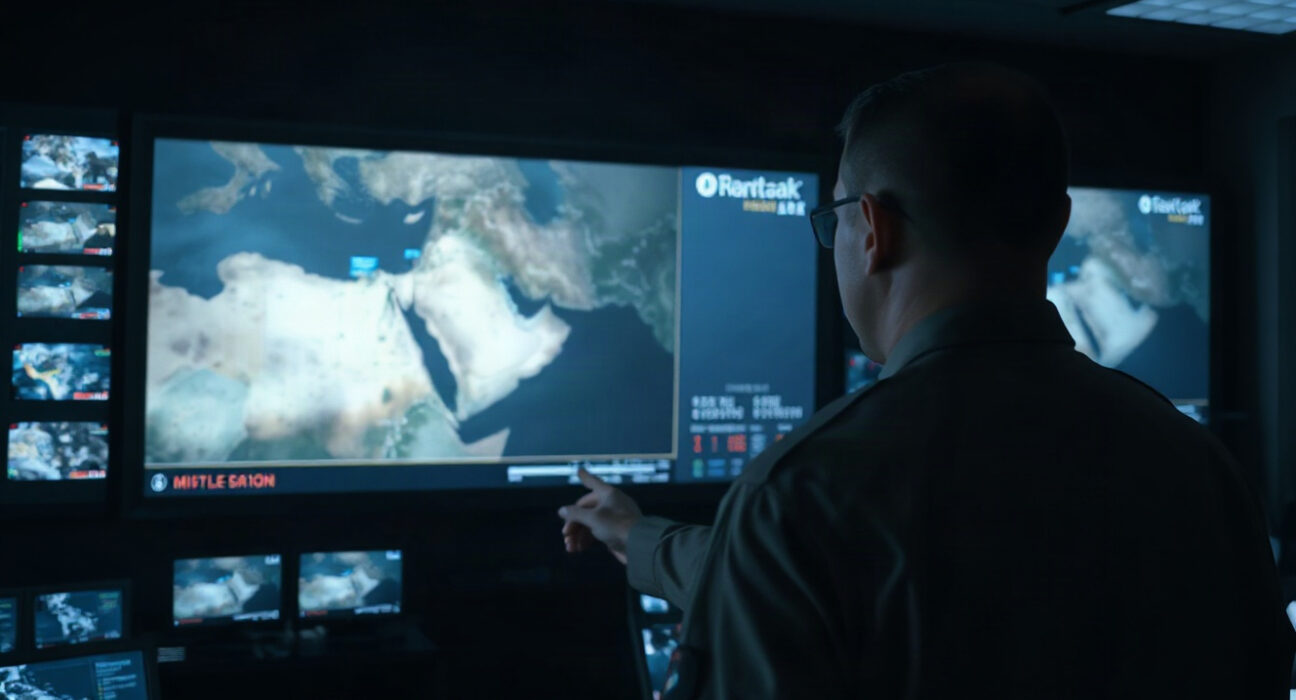
U.S. Central Command (CENTCOM) announced on [date] that it has completed airstrikes on targets linked to Iran’s Islamic Revolutionary Guard Corps (IRGC). The operation, which was conducted in [location], marks a significant escalation in the ongoing tensions between the United States and Iran.
Details of the Airstrike
According to a statement from CENTCOM, the strikes were directed at facilities associated with the IRGC’s Quds Force and its proxies in the region. The statement emphasized that the operation was defensive in nature, aimed at degrading capabilities that posed a direct threat to U.S. personnel and interests. The exact targets and the extent of the damage have not been fully disclosed, but CENTCOM indicated that the strikes were successful and that all aircraft returned safely.
The airstrikes come amid heightened tensions following a series of attacks on U.S. bases in the region, which Washington has attributed to Iran-backed militias. The Biden administration has repeatedly warned that it would respond to such attacks, and this operation appears to be a direct consequence of that policy.
Strategic Implications
The completion of these airstrikes sends a clear message to Tehran that the United States is willing to use military force to protect its assets. However, analysts caution that the move could escalate the conflict, potentially leading to retaliatory attacks by Iran or its proxies. The situation remains fluid, and the international community is closely monitoring the aftermath.
Regional Reactions
Regional actors have responded with caution. Iraq and Syria, where some of the strikes reportedly took place, have condemned the operation as a violation of their sovereignty. Meanwhile, Israel has expressed support for the U.S. action, viewing it as a necessary step to curb Iranian influence. The broader implications for the Middle East are significant, as the strikes could alter the balance of power and affect ongoing diplomatic efforts, including the nuclear negotiations.
What This Means for Readers
For readers, this development underscores the volatile nature of U.S.-Iran relations and the potential for broader conflict in the Middle East. The strikes may impact global oil prices and regional security, with ripple effects on international markets and travel advisories. It is essential to follow reliable news sources for updates, as the situation is likely to evolve rapidly.
Conclusion
U.S. Central Command’s completion of airstrikes on Iran’s Revolutionary Guard targets represents a significant military action with far-reaching consequences. While the immediate objective was to neutralize threats, the long-term impact on regional stability and U.S.-Iran relations remains uncertain. As more details emerge, it will be crucial to assess the outcomes and the responses from all parties involved.
FAQs
Q1: What was the purpose of the airstrikes?
The airstrikes were conducted to degrade the capabilities of Iran’s Islamic Revolutionary Guard Corps (IRGC) and its proxies, which the U.S. believes posed a direct threat to American personnel and interests in the region.
Q2: Where did the airstrikes take place?
The specific locations have not been fully disclosed, but reports suggest that strikes were carried out in Iraq and Syria, targeting facilities linked to the IRGC’s Quds Force.
Q3: How might Iran respond to these airstrikes?
Iran may retaliate through its proxies or directly, potentially increasing attacks on U.S. bases or engaging in cyber operations. The response could also impact diplomatic efforts, including nuclear negotiations.
Disclaimer: The information provided is not trading advice, Bitcoinworld.co.in holds no liability for any investments made based on the information provided on this page. We strongly recommend independent research and/or consultation with a qualified professional before making any investment decisions.
