

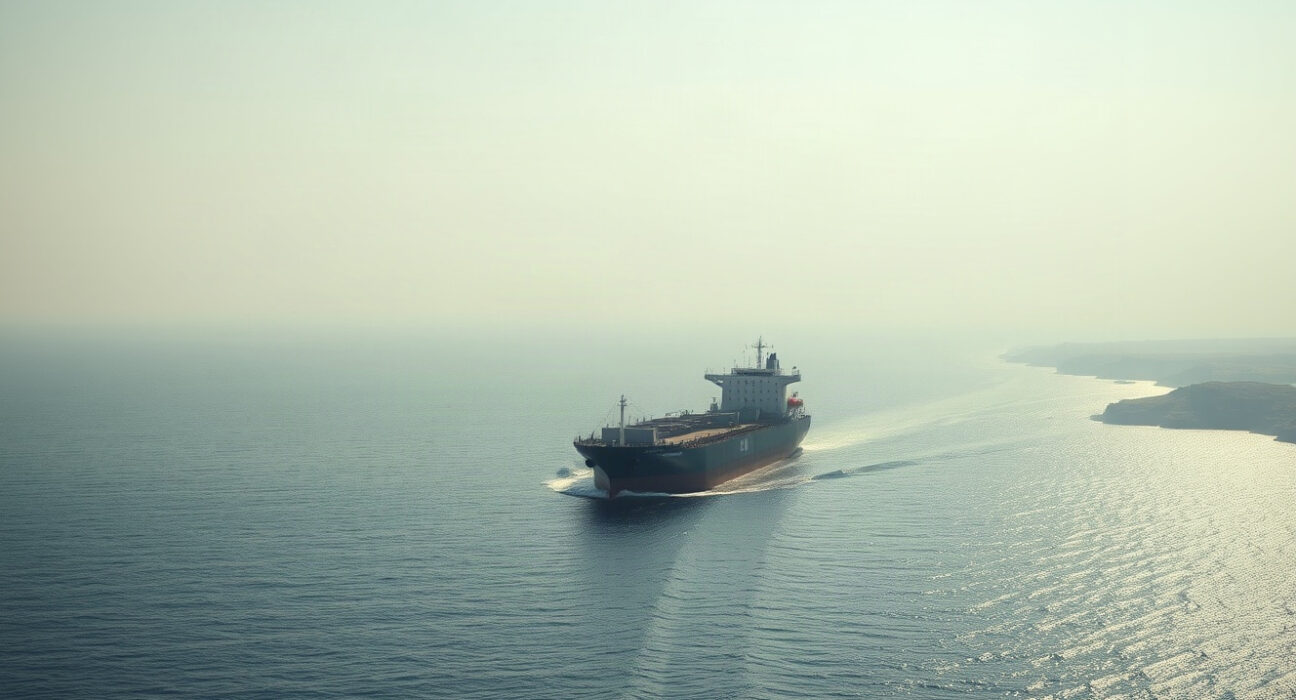
Multiple explosions were reported at strategic sites in Iran on [date], reigniting global concerns about potential disruption to the Strait of Hormuz, a critical artery for nearly a fifth of the world’s oil supply. The blasts, which occurred in [specific locations if known, otherwise: several provinces], have heightened tensions in an already volatile region, prompting immediate reactions from international markets and security analysts.
What Happened and Where?
The explosions, which took place on [date], struck targets that have not been officially identified, but local media and international observers have pointed to military and industrial facilities. As of now, Iranian authorities have not released an official casualty count or confirmed the cause of the blasts, leaving room for speculation. However, the timing and location of the incidents have inevitably drawn comparisons to past attacks on Iranian nuclear and missile infrastructure, often attributed to foreign actors.
Why the Strait of Hormuz Matters
The Strait of Hormuz, a narrow waterway between Oman and Iran, is a vital chokepoint through which about 20% of global oil consumption passes daily. Any significant disruption, whether from military conflict, sabotage, or retaliatory strikes, could send shockwaves through energy markets and the global economy. In recent years, the strait has been a flashpoint for U.S.-Iran tensions, with incidents involving tanker seizures and drone attacks. The current explosions have renewed fears that the conflict could escalate into a broader confrontation, directly impacting oil shipments and global supply chains.
Market and Geopolitical Impact
Oil prices have historically spiked on any news of potential Hormuz closure, and this incident is no different. Although the full market response is still unfolding, analysts are closely watching for any signs of supply disruption. Beyond oil, the geopolitical implications are vast: a military escalation in the region could draw in multiple nations, affect shipping insurance rates, and further destabilize an already tense Middle East. The international community, including the United Nations and major powers, has called for restraint, but the risk of miscalculation remains high.
What to Watch Next
In the coming days, the key indicators will be Iran’s official explanation, any claims of responsibility, and the response from international actors. If the explosions are confirmed as an external attack, the likelihood of Iranian retaliation increases, potentially targeting U.S. assets or Gulf oil infrastructure. Conversely, if they are attributed to internal accidents or sabotage, the situation might be contained. For now, the situation is fluid, and reliable information is scarce, making it essential to rely on official statements and credible reporting.
Conclusion
The explosions in Iran have once again placed the Strait of Hormuz at the center of global security concerns. While the immediate cause remains unclear, the potential for significant economic and geopolitical fallout is undeniable. As the story develops, it is crucial to separate verified facts from speculation and to monitor the actions of all parties involved. The world is watching, and the stakes have rarely been higher.
FAQs
Q1: What is the Strait of Hormuz and why is it important?
The Strait of Hormuz is a narrow waterway between Iran and Oman, through which about 20% of global oil consumption passes. It is a critical chokepoint for energy shipments, making it strategically vital to the world economy.
Q2: How might the explosions in Iran affect oil prices?
Any threat to the Strait of Hormuz typically causes oil prices to rise due to fears of supply disruption. The actual impact depends on whether the explosions lead to a sustained disruption or are quickly contained.
Q3: What could be the cause of these explosions?
As of now, the cause is unconfirmed. Possible explanations include external attacks, internal accidents, or sabotage. Without official confirmation, it is premature to assign responsibility.
Disclaimer: The information provided is not trading advice, Bitcoinworld.co.in holds no liability for any investments made based on the information provided on this page. We strongly recommend independent research and/or consultation with a qualified professional before making any investment decisions.
