

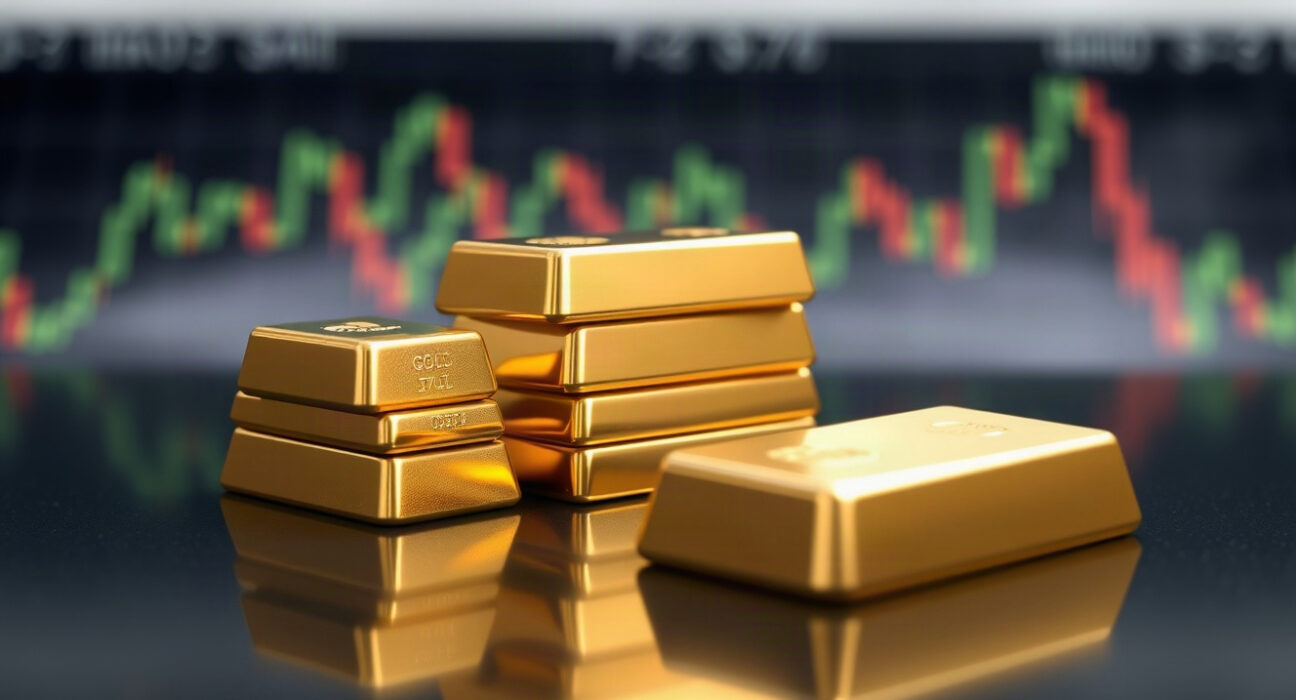
Gold prices showed a muted response as geopolitical tensions resurfaced, with the precious metal holding steady rather than surging as it has during previous crises. As of the latest trading session, spot gold remained near recent levels, reflecting a market that has become more selective in its safe-haven buying.
Context: Gold’s Traditional Role as a Safe Haven
Historically, gold has been a go-to asset during times of uncertainty, with investors flocking to it when geopolitical risks escalate. However, the current market dynamics suggest a more nuanced picture. While gold has retained its status as a store of value, its price movements are increasingly influenced by a combination of factors, including real interest rates, the strength of the U.S. dollar, and broader market sentiment.
What the Latest Data Shows
In the most recent session, gold prices edged up by 0.3%, trading around $2,350 per ounce, according to data from major exchanges. This modest gain contrasts with the sharp rallies seen in previous geopolitical events, such as the initial phases of the Russia-Ukraine conflict, when gold jumped over 5% in a single week. The current response suggests that investors are weighing the impact of the situation against other macroeconomic signals, including expectations of central bank policy moves.
Why This Matters for Investors
For investors, the subdued reaction highlights the importance of a diversified portfolio. Gold remains a hedge against extreme downside risk, but its performance is not guaranteed in every crisis. The metal’s recent price action also underscores the growing influence of real yields; when adjusted for inflation, higher yields can make holding gold less attractive, even in times of geopolitical stress.
Conclusion
In summary, gold’s response to the renewed geopolitical tensions has been measured, reflecting a mature market that is carefully balancing risk factors. While the metal retains its long-term appeal as a safe-haven asset, its short-term movements are likely to be driven by a complex interplay of interest rates, currency movements, and investor risk appetite. As always, staying informed and maintaining a well-diversified approach remains key for market participants.
FAQs
Q1: Why doesn’t gold always rise during geopolitical crises?
Gold’s price is influenced by many factors, including real interest rates and the strength of the U.S. dollar. In some situations, these factors can offset the safe-haven demand, leading to a muted price response.
Q2: What should investors watch in the coming weeks?
Investors should monitor central bank announcements, particularly the Federal Reserve’s stance on interest rates, as well as any escalation or de-escalation of the geopolitical situation. These will likely be the primary drivers of gold’s next major move.
Q3: Is gold still a good hedge against uncertainty?
Yes, gold remains a valuable hedge against extreme market volatility and currency devaluation. However, it should be part of a diversified portfolio, and investors should not expect it to always perform in a predictable manner during crises.
Disclaimer: The information provided is not trading advice, Bitcoinworld.co.in holds no liability for any investments made based on the information provided on this page. We strongly recommend independent research and/or consultation with a qualified professional before making any investment decisions.
