

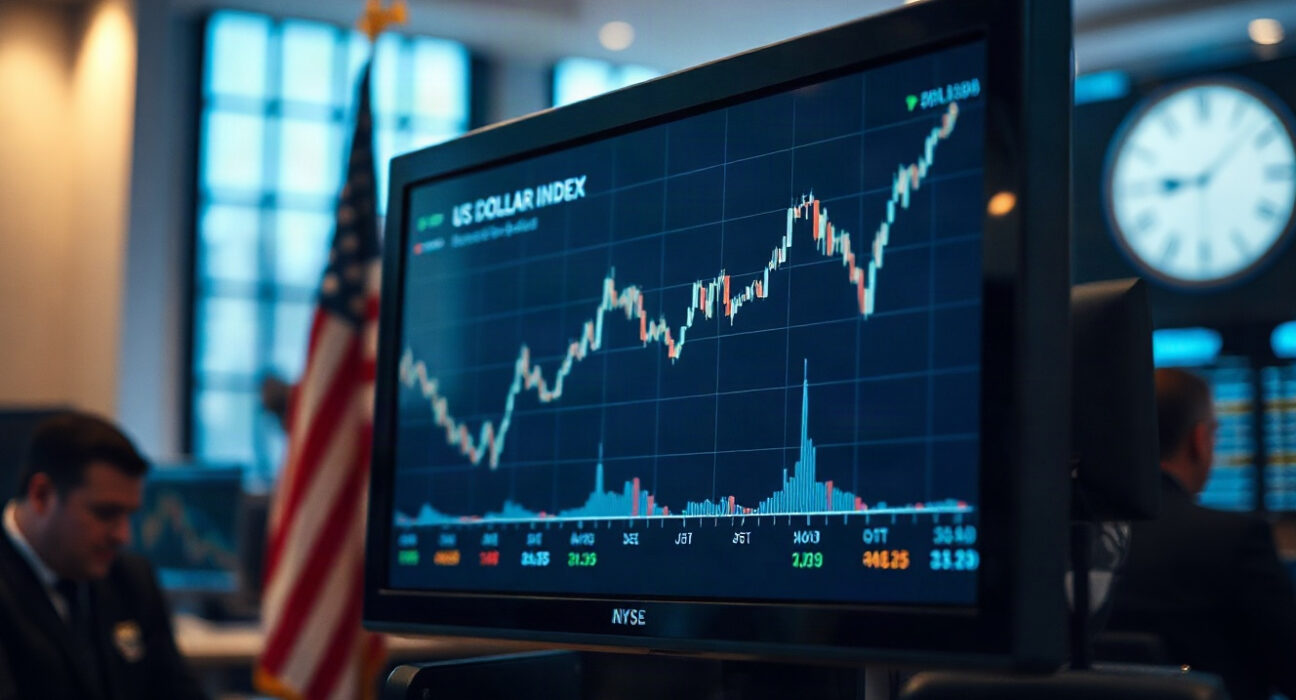
The US Dollar Index advanced on [Date], climbing as escalating tensions between the United States and Iran drove investors toward safe-haven assets, while Treasury yields rose on renewed inflation concerns.
What’s Driving the Dollar’s Strength?
The dollar’s gains come as geopolitical risks intensify, with the US and Iran exchanging threats over recent military actions. In times of uncertainty, global investors often flock to the dollar and US Treasuries as reliable stores of value, boosting the greenback against a basket of major currencies.
Additionally, Treasury yields have moved higher, reflecting market expectations that the Federal Reserve may keep interest rates elevated longer than previously anticipated. Higher yields make dollar-denominated assets more attractive, further supporting the currency.
Impact on Global Markets
The dollar’s rise has put pressure on emerging market currencies, which typically weaken when the greenback strengthens. Commodity prices, particularly oil, have also been volatile given the Middle East’s role in global supply. A stronger dollar can make oil more expensive for buyers using other currencies, potentially feeding into global inflation.
For US multinational companies, a stronger dollar can reduce the value of overseas earnings when converted back to dollars, which may weigh on corporate results in the coming quarters.
Why This Matters to Investors
For investors, the combination of geopolitical tension and rising yields creates a complex environment. While the dollar’s strength may benefit US-based investors holding foreign assets, it can also signal broader risk aversion. Understanding these dynamics is crucial for portfolio positioning, particularly in currency-hedged strategies and international equity exposure.
Conclusion
As of [Date], the US Dollar Index remains elevated, driven by safe-haven demand and higher Treasury yields. The situation is fluid, and further developments in US-Iran relations could trigger additional market moves. Investors should monitor diplomatic channels and Federal Reserve communications for clues on the next direction.
FAQs
Q1: Why does the US Dollar Index rise during geopolitical tensions?
Investors often view the US dollar as a safe-haven currency, meaning they buy it during times of global uncertainty, which increases its value relative to other currencies.
Q2: How do Treasury yields affect the dollar?
When Treasury yields rise, it suggests higher interest rates, which attract foreign investors seeking better returns on US assets, thereby boosting demand for the dollar.
Q3: What does a stronger dollar mean for emerging markets?
A stronger dollar can make it more expensive for emerging market countries to service dollar-denominated debt and can weaken their local currencies, potentially leading to capital outflows and higher inflation.
Disclaimer: The information provided is not trading advice, Bitcoinworld.co.in holds no liability for any investments made based on the information provided on this page. We strongly recommend independent research and/or consultation with a qualified professional before making any investment decisions.
