

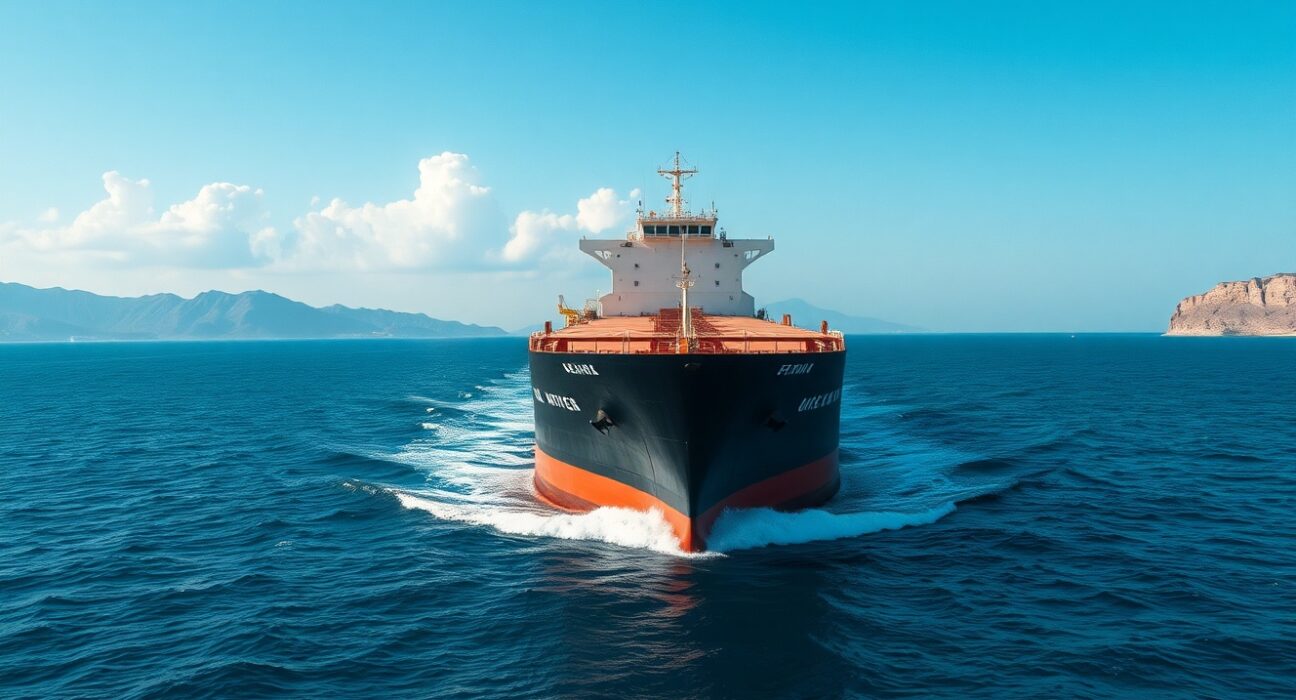
An Iranian official has confirmed that the Strait of Hormuz, a critical maritime chokepoint for global oil shipments, will be reopened in phases. The statement was reported by Al Jazeera on May 25, though specific details regarding the timeline or conditions of the phased reopening were not immediately disclosed.
Strategic Importance of the Strait of Hormuz
The Strait of Hormuz, located between Iran and Oman, connects the Persian Gulf with the Gulf of Oman and the Arabian Sea. Approximately 20% of the world’s petroleum passes through this narrow waterway, making it one of the most strategically important passages for global energy security. Any disruption to shipping through the strait can have immediate and significant effects on global oil prices and supply chains.
Context and Implications of the Announcement
The announcement comes amid ongoing regional tensions and previous reports of restrictions or heightened security measures in the area. While the official did not elaborate on the reasons for a phased approach, such a strategy could be intended to manage maritime traffic, ensure safety, or address diplomatic considerations. Analysts suggest that a gradual reopening may allow for the assessment of security conditions and the implementation of new navigation protocols.
Impact on Global Oil Markets and Shipping
Market observers will be closely watching the implementation of this phased reopening. A smooth and predictable reopening could help stabilize oil prices and reassure shipping companies and insurers. Conversely, any delays or complications could reintroduce uncertainty. The shipping industry, which relies on predictable passage through the strait, will need to adapt to any new procedures or scheduling requirements that may accompany the phased plan.
Conclusion
The phased reopening of the Strait of Hormuz represents a significant development for regional maritime security and global energy markets. While the official statement provides a general direction, the lack of specific details means that stakeholders must await further clarification. The situation remains dynamic, and the coming days will likely provide more clarity on the operational timeline and conditions for vessels transiting this vital waterway.
FAQs
Q1: Why is the Strait of Hormuz being reopened in phases?
The official did not specify reasons, but phased reopenings are often used to manage traffic flow, assess security conditions, and implement new operational procedures gradually.
Q2: How will this affect global oil prices?
A stable reopening could help calm markets, while any uncertainty or disruption may lead to price volatility. The impact will depend on the speed and efficiency of the phased plan.
Q3: What should shipping companies do in response?
Shipping companies should monitor official maritime advisories, coordinate with local authorities, and prepare for potential scheduling changes or new navigation requirements during the phased reopening.
Disclaimer: The information provided is not trading advice, Bitcoinworld.co.in holds no liability for any investments made based on the information provided on this page. We strongly recommend independent research and/or consultation with a qualified professional before making any investment decisions.
