

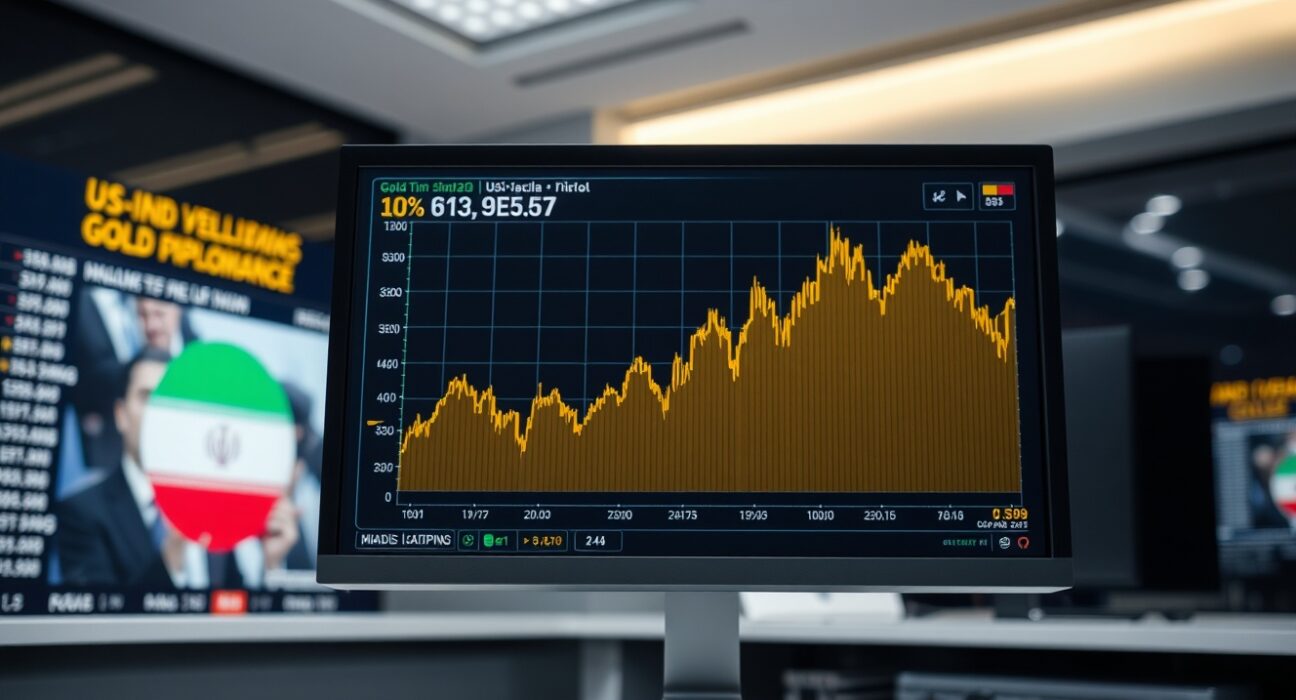
Gold prices edged lower on Tuesday as investors reassessed the balance between renewed geopolitical tensions between the United States and Iran and ongoing diplomatic efforts aimed at reviving nuclear negotiations. The precious metal, often sought as a safe-haven asset during periods of instability, retreated from earlier gains as market participants weighed the likelihood of further escalation against the potential for a negotiated resolution.
Market Reaction to Geopolitical Signals
Spot gold slipped approximately 0.4% to trade near $2,650 per ounce during the European session, reversing a modest uptick seen earlier in the week. The decline came after reports indicated that US and Iranian officials had resumed indirect talks in Vienna, raising hopes that a diplomatic path remains viable despite recent inflammatory rhetoric from both sides.
Analysts noted that gold’s price action reflects a market caught between two competing narratives. On one hand, the threat of supply disruptions in the Middle East and the risk of a broader conflict support higher gold prices. On the other, any tangible progress in negotiations could reduce the geopolitical risk premium embedded in the market.
Broader Context of US-Iran Dynamics
The latest round of tensions stems from recent US sanctions on Iranian oil exports and Tehran’s subsequent announcement of advanced uranium enrichment activities. These developments have raised concerns about the stability of the Strait of Hormuz, a critical chokepoint for global oil shipments, and have prompted renewed diplomatic efforts by European intermediaries.
Historical patterns suggest that gold prices tend to rally during periods of heightened geopolitical uncertainty but can quickly reverse when diplomatic breakthroughs occur. The current situation is complicated by the fact that both sides have signaled a willingness to negotiate while simultaneously taking actions that increase the risk of miscalculation.
Implications for Investors and Markets
For investors, the fluctuating gold price underscores the importance of monitoring not just headline risks but also the underlying diplomatic calendar. The outcome of the Vienna talks, expected to continue over the coming weeks, will likely be a key determinant of gold’s near-term trajectory.
Beyond gold, the US-Iran situation also carries implications for energy markets, with crude oil prices remaining sensitive to any disruption to tanker traffic in the Persian Gulf. A sustained escalation could push oil prices higher, potentially fueling inflation and complicating central bank policy decisions globally.
Conclusion
Gold’s modest retreat reflects a market that is cautiously optimistic about the prospects for diplomacy, even as it remains alert to the possibility of renewed confrontation. The coming days will be critical as negotiators attempt to bridge differences that have kept the region on edge. For now, gold remains range-bound, with traders closely watching for any shift in the diplomatic winds that could break the current stalemate.
FAQs
Q1: Why does gold react to US-Iran tensions?
Gold is considered a safe-haven asset, meaning investors buy it during periods of geopolitical uncertainty to protect their portfolios. Escalation between the US and Iran increases the risk of conflict, which can disrupt global markets and economies, driving demand for gold.
Q2: Could gold prices fall if negotiations succeed?
Yes. If the US and Iran reach a diplomatic agreement that reduces the risk of conflict, the geopolitical risk premium in gold prices could unwind, potentially leading to a decline. However, other factors like inflation and interest rates also influence gold’s value.
Q3: How do nuclear negotiations affect the gold market?
Nuclear negotiations between the US and Iran signal a preference for diplomacy over confrontation. Progress in talks tends to lower geopolitical risk, reducing the safe-haven appeal of gold. Conversely, a breakdown in talks often triggers a flight to safety, pushing gold prices higher.
Disclaimer: The information provided is not trading advice, Bitcoinworld.co.in holds no liability for any investments made based on the information provided on this page. We strongly recommend independent research and/or consultation with a qualified professional before making any investment decisions.
