

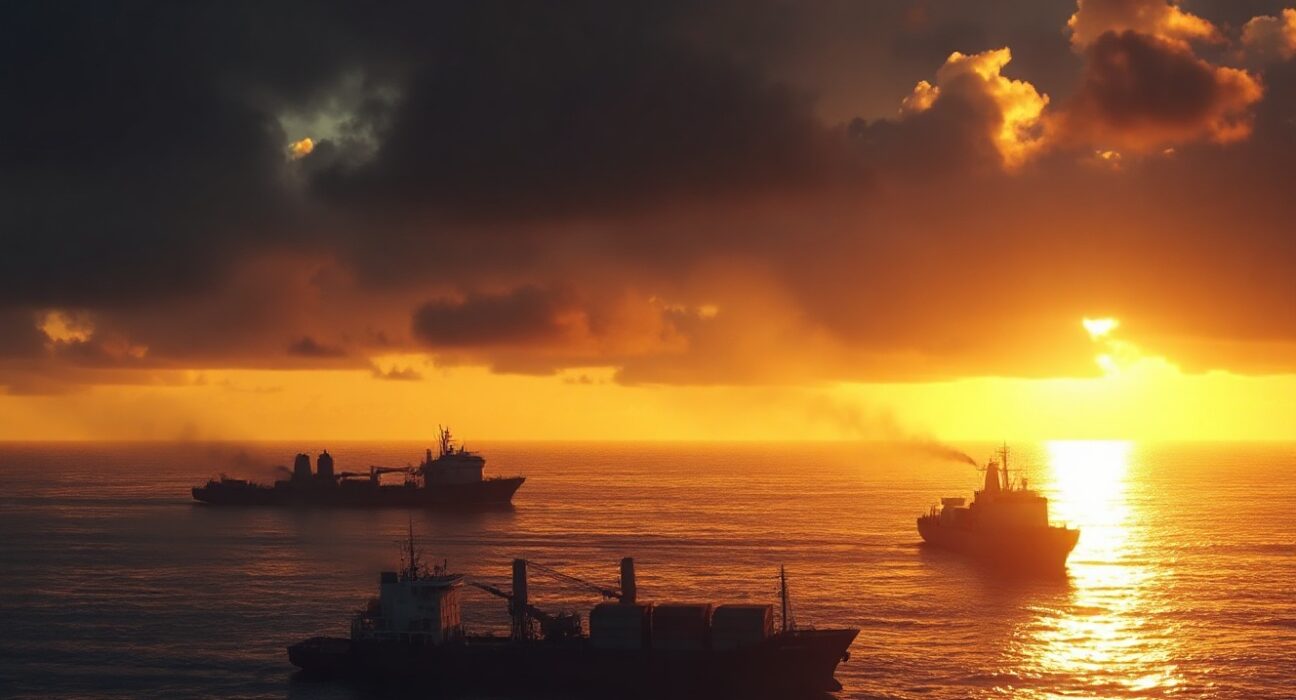
Gold prices experienced a sharp decline on Tuesday as escalating geopolitical tensions in the Strait of Hormuz triggered a flight to the US dollar, pushing the precious metal to its lowest level in three weeks. The move underscores the complex dynamics between safe-haven assets during periods of geopolitical uncertainty.
Market Reaction to Hormuz Incident
Reports of a naval clash near the strategic waterway prompted an immediate sell-off in gold, with spot prices falling over 2% to $2,380 per ounce. The US dollar index (DXY) surged 0.8% as investors sought liquidity in the world’s primary reserve currency, reversing gold’s recent upward momentum. The Strait of Hormuz, through which about 20% of the world’s oil passes, is a critical chokepoint for global energy supplies.
Why the Dollar Strengthened
Historically, gold and the dollar often move inversely, but during acute geopolitical shocks, the dollar frequently benefits from its status as the global reserve currency. Market participants moved into dollar-denominated assets and US Treasuries, reducing demand for gold as a hedge. The incident also raised concerns about potential disruptions to oil shipments, adding to inflationary pressures that could influence central bank policy.
Implications for Investors
For investors, the sell-off highlights the importance of understanding the nuanced relationship between gold and the dollar during different types of crises. While gold is traditionally viewed as a safe haven, it can underperform when the dollar strengthens sharply due to geopolitical events. Analysts note that the long-term outlook for gold remains supported by central bank buying and ongoing inflation concerns, but short-term volatility is likely to persist as the situation develops.
Conclusion
The clash in the Strait of Hormuz serves as a reminder that geopolitical risk can reshape financial markets in unexpected ways. While gold’s decline may be jarring for some investors, the broader context of dollar strength and energy security concerns provides a clearer picture of the market’s reaction. Traders should monitor diplomatic developments and potential supply chain disruptions in the coming days.
FAQs
Q1: Why did gold fall if geopolitical tensions usually boost safe-haven demand?
Gold fell because the US dollar strengthened more sharply, drawing safe-haven flows away from gold. The dollar is often preferred during acute crises due to its liquidity and status as the global reserve currency.
Q2: How does the Strait of Hormuz affect gold prices?
The Strait of Hormuz is a critical oil shipping route. Tensions there can disrupt oil supplies, raising inflation expectations and strengthening the dollar, which in turn pressures gold prices.
Q3: Should investors sell gold now?
Short-term volatility is expected, but gold remains supported by central bank purchases and inflation hedging. Investors should consider their time horizon and risk tolerance before making decisions.
Disclaimer: The information provided is not trading advice, Bitcoinworld.co.in holds no liability for any investments made based on the information provided on this page. We strongly recommend independent research and/or consultation with a qualified professional before making any investment decisions.
