

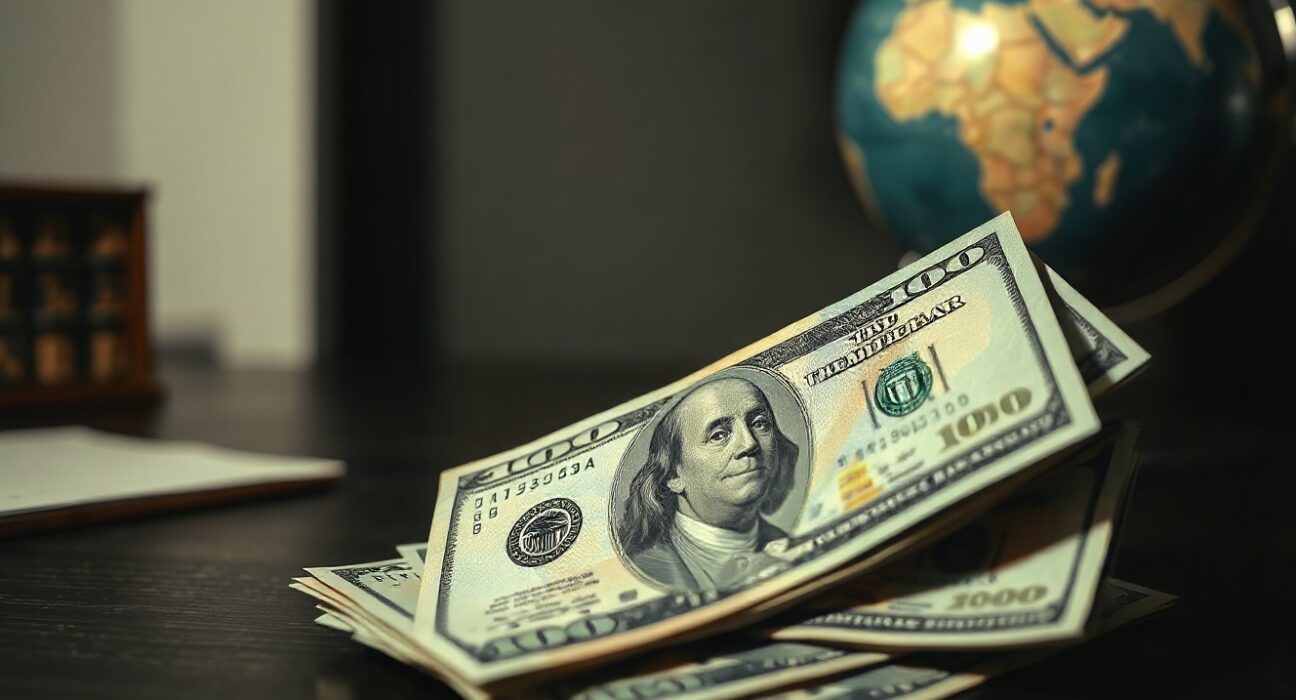
The US dollar edged higher against a basket of major currencies on Monday, driven by renewed safe-haven demand as fresh uncertainty clouded the trajectory of peace negotiations between the United States and Iran. The move reflects growing investor caution amid stalled diplomatic progress and heightened geopolitical risks in the Middle East.
Geopolitical Jitters Boost Dollar Demand
The dollar index, which measures the greenback against six major peers, rose 0.2% in early trading as traders shifted capital into perceived safe assets. The uptick comes after reports that indirect talks between Washington and Tehran have encountered unexpected obstacles, raising the prospect of prolonged tensions in a region critical to global energy supplies.
Market participants are closely watching for any signs of escalation or de-escalation. The uncertainty has also weighed on risk-sensitive currencies such as the Australian and New Zealand dollars, which fell modestly against the greenback. Meanwhile, the Japanese yen, another traditional safe haven, also gained ground, reflecting broad risk aversion.
Peace Talks at a Crossroads
The US and Iran have been engaged in on-and-off negotiations aimed at reviving elements of the 2015 nuclear deal and reducing regional hostilities. However, recent statements from both sides suggest significant gaps remain on key issues, including uranium enrichment levels and sanctions relief.
Analysts note that the lack of clear progress has left markets in a cautious holding pattern. “The market is pricing in a higher probability of no deal or a prolonged stalemate,” said a senior currency strategist at a London-based investment bank. “Until there is concrete evidence of a breakthrough, the dollar will likely remain supported by safe-haven flows.”
Implications for Oil and Broader Markets
The uncertainty also has direct implications for oil markets. Iran is a major oil producer, and any disruption to potential supply normalization could keep crude prices elevated. Higher oil prices, in turn, can feed into inflation expectations and influence central bank policy decisions, adding another layer of complexity for currency traders.
For now, the dollar’s strength is being viewed as a tactical move rather than a long-term trend shift. If diplomatic efforts regain momentum, the dollar could quickly give back its gains. Conversely, a complete breakdown in talks could trigger a more sustained flight to safety.
Conclusion
The dollar’s modest rise on Monday underscores the market’s sensitivity to geopolitical developments in the Middle East. With US-Iran peace talks facing an uncertain path, investors are prioritizing capital preservation over risk-taking. The coming days and weeks will be critical in determining whether diplomatic channels can deliver tangible results or if further volatility lies ahead.
FAQs
Q1: Why does the US dollar rise during geopolitical uncertainty?
The US dollar is considered a global safe-haven asset because of the size and liquidity of US financial markets. During times of geopolitical stress, investors often sell riskier assets and buy dollars, which tends to push its value higher.
Q2: How do US-Iran peace talks affect currency markets?
The talks influence investor sentiment toward risk. Progress in negotiations reduces geopolitical risk and can weaken safe-haven demand for the dollar, while setbacks or failures increase uncertainty and support the dollar.
Q3: Could this uncertainty affect oil prices?
Yes. Iran is a significant oil producer. If talks stall, sanctions on Iranian oil exports are likely to remain in place, keeping global supply tighter and potentially supporting higher crude oil prices.
Disclaimer: The information provided is not trading advice, Bitcoinworld.co.in holds no liability for any investments made based on the information provided on this page. We strongly recommend independent research and/or consultation with a qualified professional before making any investment decisions.
