

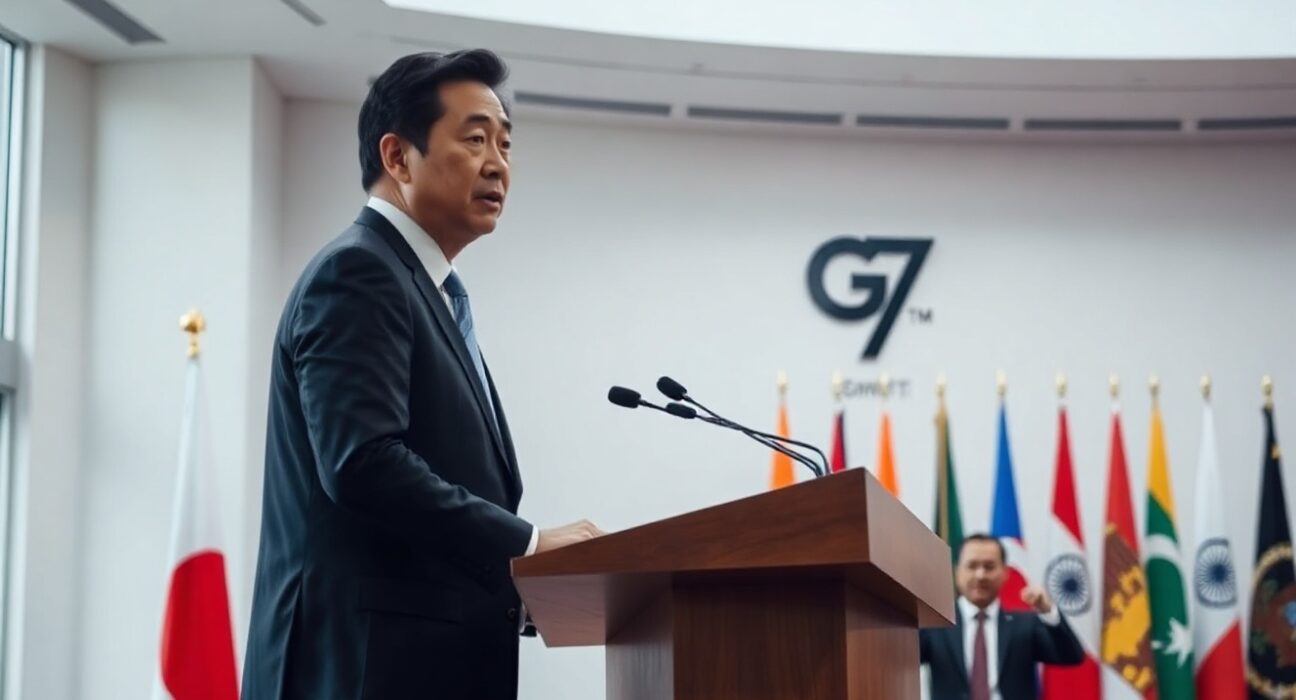
Japanese Prime Minister Takaichi is scheduled to travel to Europe next week to attend the upcoming G7 Summit, according to a report by NHK. The trip underscores Japan’s continued engagement with Western allies on pressing global issues ranging from economic security to geopolitical stability.
Diplomatic Context and Expected Agenda
The G7 Summit, hosted by a European member state, brings together leaders from Canada, France, Germany, Italy, Japan, the United Kingdom, and the United States. For Japan, participation is a cornerstone of its foreign policy, reinforcing alliances and coordinating responses to shared challenges. Key topics expected on the agenda include: ongoing economic sanctions related to Russia’s invasion of Ukraine, energy security and supply chain resilience, climate change commitments, and technology governance—particularly around artificial intelligence and semiconductor trade. Japan has also been vocal about maintaining a rules-based international order in the Indo-Pacific, a priority that Takaichi is likely to raise with counterparts.
Strategic Significance for Japan
This summit comes at a time when Japan is balancing its security alliance with the United States and its economic ties with China. Takaichi’s attendance signals Tokyo’s commitment to multilateral diplomacy and its role as a key G7 partner. Analysts note that Japan’s recent policy shifts—including increased defense spending and expanded security cooperation with NATO partners—will be part of the discussions. The summit also provides an opportunity for Takaichi to hold bilateral meetings on the sidelines, potentially with U.S. President and European leaders, to advance specific trade and security agreements.
Market and Economic Implications
Investors and market participants will watch for any joint statements on currency stability, particularly given recent volatility in the yen. The G7’s stance on digital currencies and cross-border data flows could also impact Japan’s financial technology sector. Additionally, any new commitments on climate finance or green technology cooperation may influence Japan’s energy policy direction and corporate strategies.
Conclusion
Prime Minister Takaichi’s trip to Europe for the G7 Summit represents a critical moment for Japan to assert its influence on global governance and economic policy. As the summit unfolds, the outcomes will have direct implications for Japan’s diplomatic posture, economic strategy, and security framework. The visit reinforces Japan’s role as a proactive member of the international community, addressing challenges that require coordinated action among the world’s largest advanced economies.
FAQs
Q1: When is the G7 Summit taking place?
The G7 Summit is scheduled for next week in Europe. The exact dates are expected to be confirmed by the host nation and Japan’s government in the coming days.
Q2: What are the main issues Japan will bring to the summit?
Japan is expected to focus on economic security, supply chain resilience, technology governance, energy policy, and maintaining a rules-based order in the Indo-Pacific. Bilateral security cooperation with NATO partners is also a priority.
Q3: How might the summit affect Japan’s economy?
Joint statements on currency stability, digital finance, and climate commitments could influence Japan’s financial markets and corporate investment decisions. Any new trade or technology agreements may also open opportunities for Japanese firms.
Disclaimer: The information provided is not trading advice, Bitcoinworld.co.in holds no liability for any investments made based on the information provided on this page. We strongly recommend independent research and/or consultation with a qualified professional before making any investment decisions.
