

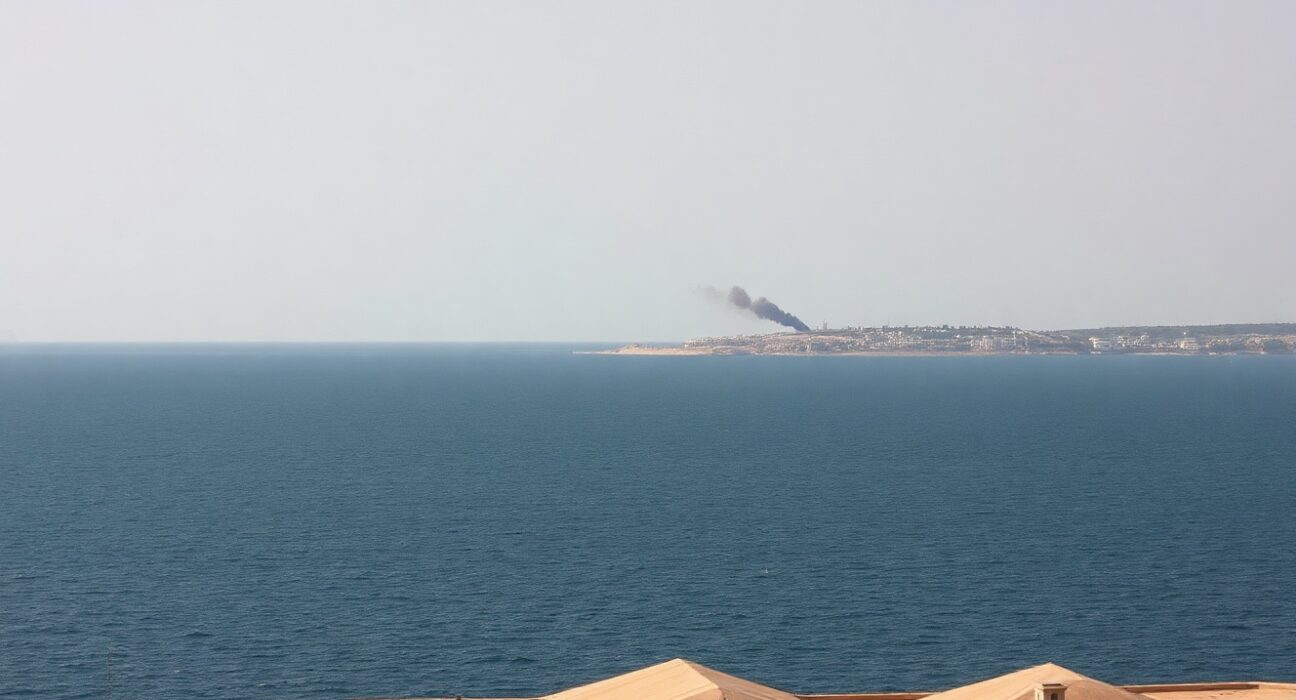
Iran’s Foreign Ministry has issued a formal condemnation of United States military strikes targeting the strategic island of Qeshm in the Persian Gulf. The incident, which occurred in recent days, marks a significant escalation in the long-standing tensions between the two nations, raising concerns about broader regional instability.
Background of the Strikes
Qeshm Island, the largest island in the Persian Gulf, holds considerable strategic and economic importance for Iran. It is home to key military installations, a major free trade zone, and critical energy infrastructure. The US strikes, reportedly aimed at disrupting Iranian military capabilities, have drawn sharp criticism from Tehran, which describes the action as a violation of international law and a threat to regional peace. Details regarding the specific targets and the extent of damage remain unconfirmed by independent sources, though initial reports suggest casualties and material losses.
Official Response from Tehran
In a statement released by the Iranian Foreign Ministry, the government condemned what it termed an ‘act of aggression’ and warned of consequences. The ministry called on international bodies, including the United Nations, to intervene and prevent further escalation. Iran’s rhetoric has been matched by a heightened state of alert across its military forces in the region, with officials vowing to defend national sovereignty. This response is consistent with Iran’s historical posture following direct military actions on its soil.
Regional and Global Implications
The strikes on Qeshm Island come amid a volatile period in Middle Eastern geopolitics, with ongoing conflicts in Gaza and Yemen, and heightened maritime tensions in the Persian Gulf. The US has maintained a significant military presence in the region, including naval assets in the Arabian Sea and bases in neighboring Gulf states. Analysts suggest that this action could disrupt oil transit routes through the Strait of Hormuz, a critical chokepoint for global energy supplies. The international community, including European and Asian allies, has urged restraint from both sides, fearing a broader conflict that could draw in multiple actors.
Conclusion
The condemnation by Iran’s Foreign Ministry underscores the fragile state of US-Iran relations, which have been marked by decades of mistrust and periodic military confrontations. As both sides issue statements and prepare for potential further action, the situation on Qeshm Island remains a flashpoint. The coming days will be critical in determining whether diplomatic channels can reopen or if the region edges closer to a wider conflagration.
FAQs
Q1: Why is Qeshm Island strategically important?
Qeshm Island is Iran’s largest island, located in the Strait of Hormuz. It hosts military bases, a major free trade zone, and is near critical oil shipping lanes, making it a key asset for both economic and defense purposes.
Q2: What was the US justification for the strikes?
US officials have stated the strikes were in response to alleged Iranian threats to American forces and interests in the region, though full details of the justification have not been publicly disclosed.
Q3: How has the international community reacted?
Several nations and international organizations, including the UN, have called for de-escalation and dialogue. Some Gulf states have expressed concern over regional stability, while others have remained silent, reflecting complex alliances.
Disclaimer: The information provided is not trading advice, Bitcoinworld.co.in holds no liability for any investments made based on the information provided on this page. We strongly recommend independent research and/or consultation with a qualified professional before making any investment decisions.
