

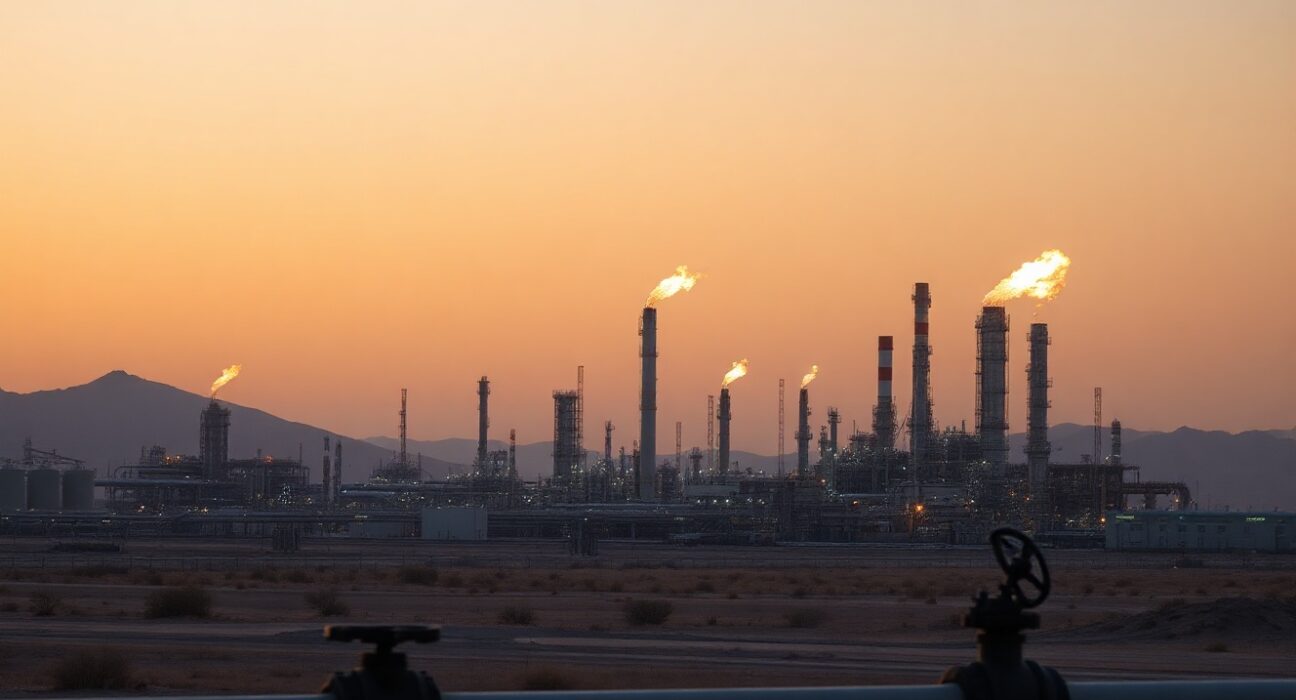
The escalating conflict in the Middle East is fundamentally reshaping the global oil market outlook, according to a new analysis from BNY. The bank’s strategists highlight that the current geopolitical environment introduces significant supply-side risks that could alter price trajectories and investment flows for the foreseeable future.
Geopolitical Risk Premium Returns to Oil Markets
BNY’s assessment comes as tensions in the region have heightened concerns about potential disruptions to crude production and transit chokepoints. The Strait of Hormuz, through which about 20% of the world’s oil passes, remains a focal point for traders and policymakers. While no direct blockade has occurred, the mere possibility has reintroduced a risk premium that had been largely absent in recent months. BNY analysts note that this is not a temporary spike but a structural shift in how markets must price geopolitical uncertainty.
Supply Chain and Price Implications
The conflict’s impact extends beyond immediate price jumps. BNY points to potential long-term effects on supply chain logistics, insurance costs for tankers, and the strategic behavior of OPEC+ producers. If the situation escalates, we could see a sustained period of higher oil prices, which would have downstream effects on inflation, central bank policy, and global economic growth. The bank’s report emphasizes that the oil market is now entering a phase where geopolitical risk is a dominant variable, rather than just a background factor.
What This Means for Investors and Consumers
For investors, BNY advises a cautious approach, recommending increased portfolio diversification and hedging against energy price volatility. For consumers, the outlook suggests that relief at the pump may be delayed. The broader economic implication is that energy-driven inflation could complicate the disinflation efforts of major central banks, potentially delaying interest rate cuts. BNY’s analysis serves as a reminder that energy security remains a critical component of global economic stability.
Conclusion
BNY’s latest outlook underscores a sobering reality: the Middle East conflict has fundamentally altered the risk calculus for oil markets. The era of predictable, geopolitically calm energy pricing may be over for now. Market participants must adapt to a landscape where supply disruptions are a constant threat, and where strategic reserves and diversified energy sources become even more critical. The situation remains fluid, and further analysis will be needed as events unfold.
FAQs
Q1: Why is the Middle East conflict affecting oil prices?
The Middle East is home to a significant portion of global oil production and key transit routes like the Strait of Hormuz. Conflict in the region raises the risk of supply disruptions, causing traders to price in a ‘risk premium’ that pushes oil prices higher.
Q2: What does BNY’s analysis specifically say?
BNY’s strategists argue that the conflict is not just a short-term event but a structural shift that will keep geopolitical risk as a dominant factor in oil market pricing, affecting supply chains, insurance, and investment decisions.
Q3: How could this affect the broader economy?
Sustained higher oil prices can lead to increased inflation, which may force central banks to keep interest rates higher for longer. This can slow economic growth and increase costs for consumers and businesses alike.
Disclaimer: The information provided is not trading advice, Bitcoinworld.co.in holds no liability for any investments made based on the information provided on this page. We strongly recommend independent research and/or consultation with a qualified professional before making any investment decisions.
