

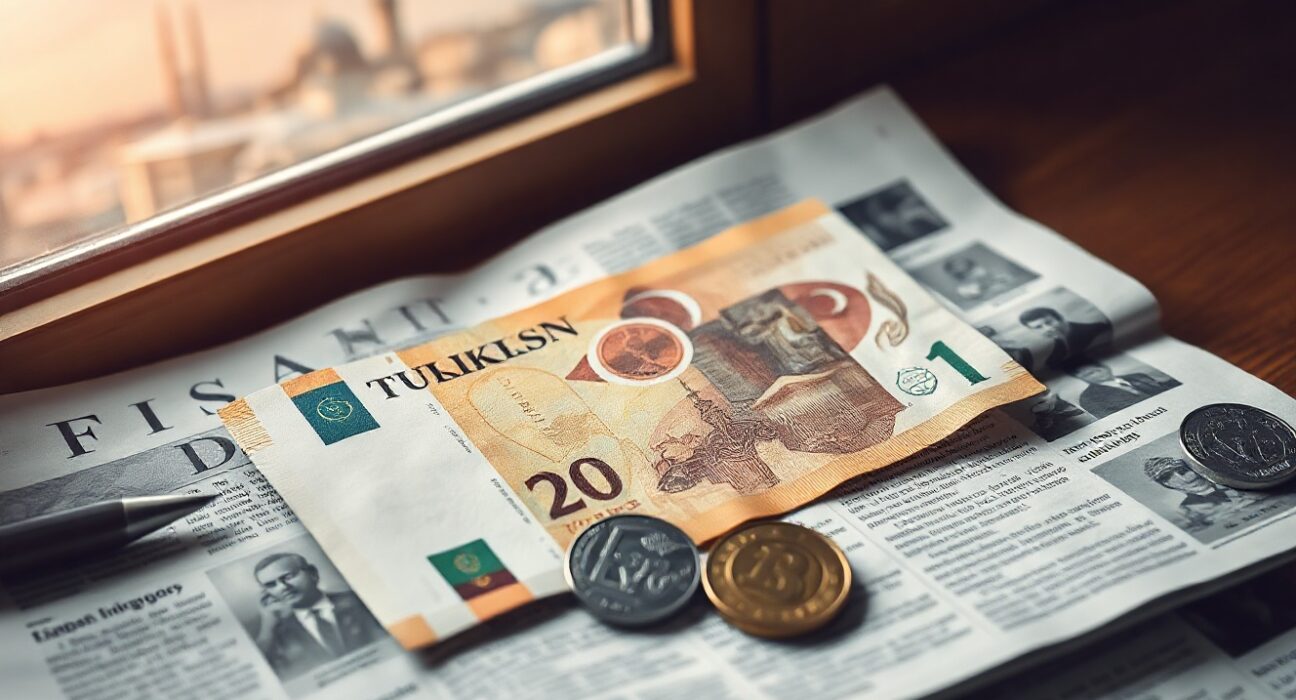
Analysts at Commerzbank have issued a cautious outlook for the Turkish lira, highlighting that persistent inflation and structural economic challenges continue to weigh on the currency. In a recent note, the bank’s foreign exchange strategists pointed to ‘sticky inflation’ as a key factor that could keep the lira vulnerable in the coming months, despite recent policy adjustments by Turkey’s central bank.
Why Sticky Inflation Matters for the Lira
Turkey has been grappling with elevated inflation rates for several years, with consumer prices rising well above the central bank’s targets. Commerzbank’s analysis suggests that inflation is proving more entrenched than previously anticipated, partly due to supply-side pressures, wage increases, and persistent demand. This ‘stickiness’ complicates the central bank’s ability to ease monetary policy without reigniting price pressures, creating a delicate balancing act that directly impacts the lira’s exchange rate.
The bank notes that while Turkey’s central bank has raised interest rates aggressively since mid-2023 to combat inflation, the effects have been slow to materialize. Real interest rates remain negative when adjusted for inflation, which diminishes the lira’s appeal to foreign investors seeking yield. As a result, the currency remains susceptible to sudden shifts in market sentiment and external shocks.
Policy Uncertainty Adds to Risks
Commerzbank also underscores the role of policy unpredictability in driving lira volatility. Turkey’s economic management has seen frequent changes in leadership and strategy, which undermines investor confidence. The analysts argue that without a clear, consistent, and credible policy framework, the lira is likely to remain under pressure, even if inflation begins to moderate gradually.
Market participants are closely watching the central bank’s next moves. Any signs of premature rate cuts or deviation from the current tightening cycle could trigger a sharp depreciation. Conversely, sustained tight policy could help stabilize the currency, but at the cost of slower economic growth.
Implications for Forex Traders and Investors
For traders and investors exposed to Turkish assets, Commerzbank’s analysis serves as a reminder of the elevated risk premium embedded in the lira. Carry trades, which involve borrowing in low-yielding currencies to invest in higher-yielding lira-denominated assets, remain popular but carry significant downside risk if the lira depreciates sharply. The bank advises caution and recommends hedging strategies for those with lira exposure.
Beyond the immediate currency outlook, the broader takeaway is that Turkey’s inflation problem is not easily resolved. Structural reforms—such as improving central bank independence, tackling fiscal imbalances, and enhancing productivity—are necessary for a durable improvement in the lira’s fortunes. Until then, the currency is likely to remain one of the more volatile in emerging markets.
Conclusion
Commerzbank’s warning reflects a consensus among many analysts that the Turkish lira faces a challenging path ahead. Sticky inflation, policy uncertainty, and external vulnerabilities combine to keep the currency at risk. While the central bank’s tightening efforts have provided some support, the sustainability of this approach remains in question. For now, the lira’s outlook is one of caution, with any recovery dependent on credible policy actions and a sustained decline in inflation.
FAQs
Q1: What does ‘sticky inflation’ mean for the Turkish lira?
Sticky inflation refers to inflation that is slow to decline despite policy tightening. For the lira, it means the central bank cannot easily cut rates without reigniting price pressures, keeping the currency under pressure and deterring foreign investment.
Q2: How does Commerzbank’s analysis affect forex traders?
Commerzbank’s note highlights elevated risk for lira-denominated trades. Traders should be cautious with carry trades and consider hedging, as the lira remains vulnerable to sharp moves due to inflation and policy uncertainty.
Q3: What could improve the lira’s outlook?
A sustained commitment to tight monetary policy, credible central bank independence, and structural economic reforms—such as fiscal discipline and productivity improvements—are essential for a durable recovery in the lira.
Disclaimer: The information provided is not trading advice, Bitcoinworld.co.in holds no liability for any investments made based on the information provided on this page. We strongly recommend independent research and/or consultation with a qualified professional before making any investment decisions.
