

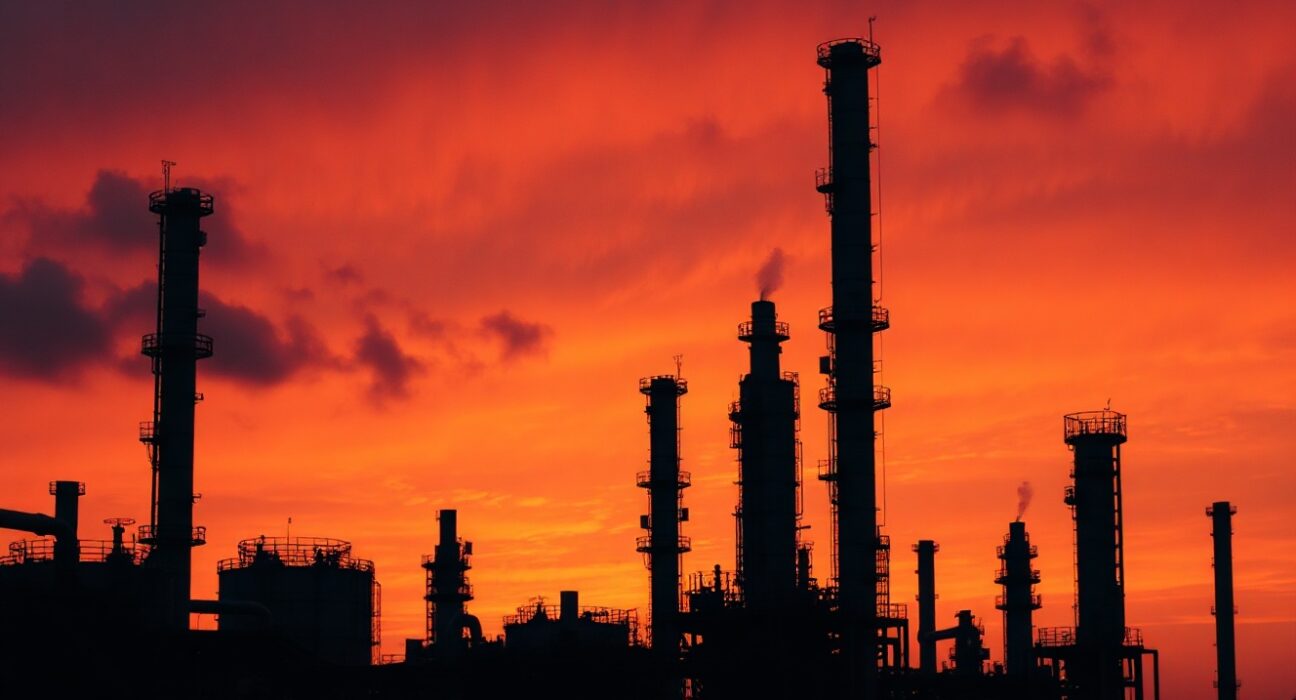
Oil prices jumped sharply on Monday following an escalation in the Iran conflict, with analysts at Danske Bank flagging increased risks of supply disruptions in the Middle East. The price spike comes amid heightened military activity in the region, raising concerns about potential disruptions to crude oil flows through key chokepoints such as the Strait of Hormuz.
Market Reaction and Danske Bank’s Analysis
Brent crude futures rose by more than 3% in early trading, while West Texas Intermediate (WTI) posted similar gains. Danske Bank analysts noted that the escalation marks a significant shift in geopolitical risk for energy markets. The bank’s research team pointed out that while immediate supply disruptions remain limited, the trajectory of the conflict could have far-reaching implications for global oil inventories and pricing.
Broader Implications for Energy Markets
The conflict adds to an already complex energy landscape, where OPEC+ production cuts and sluggish global demand have kept markets volatile. Analysts are now watching for potential retaliation or further military actions that could directly affect oil infrastructure in Iran or neighboring countries. The situation also raises the specter of sanctions tightening, which could further restrict Iranian oil exports.
What This Means for Consumers and Investors
For consumers, rising oil prices typically translate to higher costs at the pump and increased expenses for heating and transportation. For investors, the volatility underscores the importance of hedging against geopolitical risks in energy portfolios. Danske Bank advises clients to monitor diplomatic developments closely, as any de-escalation could quickly reverse price gains.
Conclusion
The Iran conflict escalation has injected a new wave of uncertainty into global oil markets, with Danske Bank highlighting the potential for sustained price pressure. While the immediate impact is visible in trading floors, the long-term consequences will depend on how the situation evolves diplomatically and militarily. Market participants should prepare for continued volatility in the weeks ahead.
FAQs
Q1: Why did oil prices jump on the Iran conflict escalation?
The escalation raised fears of supply disruptions in the Middle East, a region that accounts for a significant portion of global oil production and transit. Traders priced in a higher risk premium for crude.
Q2: What is Danske Bank’s specific outlook on oil prices?
Danske Bank analysts warned that the conflict increases downside risks to supply and could keep prices elevated if tensions persist, but they did not provide a specific price target.
Q3: How might this affect gasoline prices for consumers?
If crude oil prices remain high, refiners typically pass on those costs to consumers, leading to higher gasoline and diesel prices at the pump within a few weeks.
Disclaimer: The information provided is not trading advice, Bitcoinworld.co.in holds no liability for any investments made based on the information provided on this page. We strongly recommend independent research and/or consultation with a qualified professional before making any investment decisions.
