

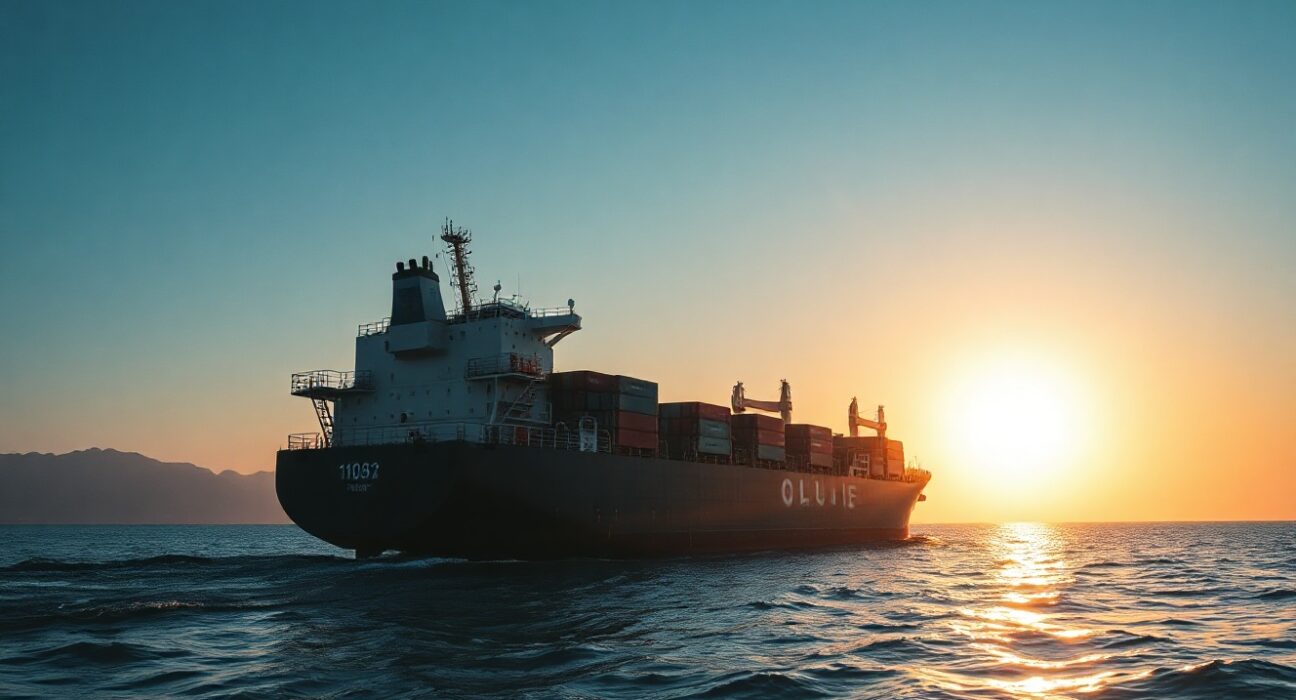
Commerzbank analysts warn that Brent crude prices are likely to remain volatile as geopolitical risks around the Strait of Hormuz persist, according to a note published on [date]. The bank highlights that the ongoing tensions in the region continue to pose a significant threat to oil supply routes, keeping markets on edge.
Hormuz risk remains a key driver
The Strait of Hormuz, a narrow waterway between the Persian Gulf and the Gulf of Oman, is a critical chokepoint for global oil shipments. Approximately 20% of the world’s oil consumption passes through this strait, making it a focal point for supply concerns. Commerzbank’s analysts note that while immediate disruptions have not materialized, the persistent risk of escalation keeps a risk premium embedded in oil prices.
The bank’s commentary comes amid fluctuating prices, with Brent crude experiencing swings as traders weigh geopolitical headlines against global demand concerns. The analysts emphasize that any actual disruption to shipping through Hormuz could have a significant impact on global supply, potentially driving prices sharply higher.
Market fundamentals and outlook
Beyond geopolitical factors, Commerzbank points to underlying market fundamentals that could influence price direction. OPEC+ production policies, global inventory levels, and demand forecasts from major economies all play a role in shaping the outlook for Brent. The bank suggests that while the market is currently well-supplied, the geopolitical risk adds a layer of uncertainty that could lead to sudden price spikes.
Commerzbank’s analysis aligns with broader market sentiment, where traders are closely monitoring developments in the Middle East alongside economic data releases. The volatile path for Brent reflects the delicate balance between supply security and economic slowdown concerns.
Implications for consumers and investors
For consumers, sustained volatility in oil prices can translate into fluctuating fuel costs, affecting household budgets and business expenses. Investors, on the other hand, may see opportunities in energy stocks and commodities, but also face heightened risk. Understanding the factors driving price movements is crucial for making informed decisions.
The situation underscores the importance of geopolitical stability for energy markets. As long as Hormuz risk lingers, Brent is likely to remain sensitive to news from the region, with potential for sharp moves in either direction.
Conclusion
Commerzbank’s warning highlights the ongoing fragility in the oil market, where geopolitical tensions can overshadow supply and demand fundamentals. With Hormuz risk persisting, Brent is expected to experience continued volatility, and market participants should remain prepared for sudden price shifts. The coming weeks will be critical in determining whether the risk premium fades or escalates further.
FAQs
Q1: What is the Strait of Hormuz and why is it important for oil prices?
The Strait of Hormuz is a narrow waterway between the Persian Gulf and the Gulf of Oman. It is a vital transit route for about 20% of global oil consumption, making it a key chokepoint. Any disruption to shipping through the strait can significantly impact global oil supply and prices.
Q2: How does geopolitical risk affect oil prices?
Geopolitical risk, such as tensions in the Middle East, can lead to concerns about supply disruptions. This often results in a risk premium being added to oil prices, as traders anticipate potential shortages. Even if no actual disruption occurs, the mere threat can cause price volatility.
Q3: What factors are currently influencing Brent crude prices?
Besides geopolitical risks, factors such as OPEC+ production decisions, global inventory levels, and demand forecasts from major economies influence Brent prices. Economic data releases and broader market sentiment also play a role in shaping the price outlook.
Disclaimer: The information provided is not trading advice, Bitcoinworld.co.in holds no liability for any investments made based on the information provided on this page. We strongly recommend independent research and/or consultation with a qualified professional before making any investment decisions.
