

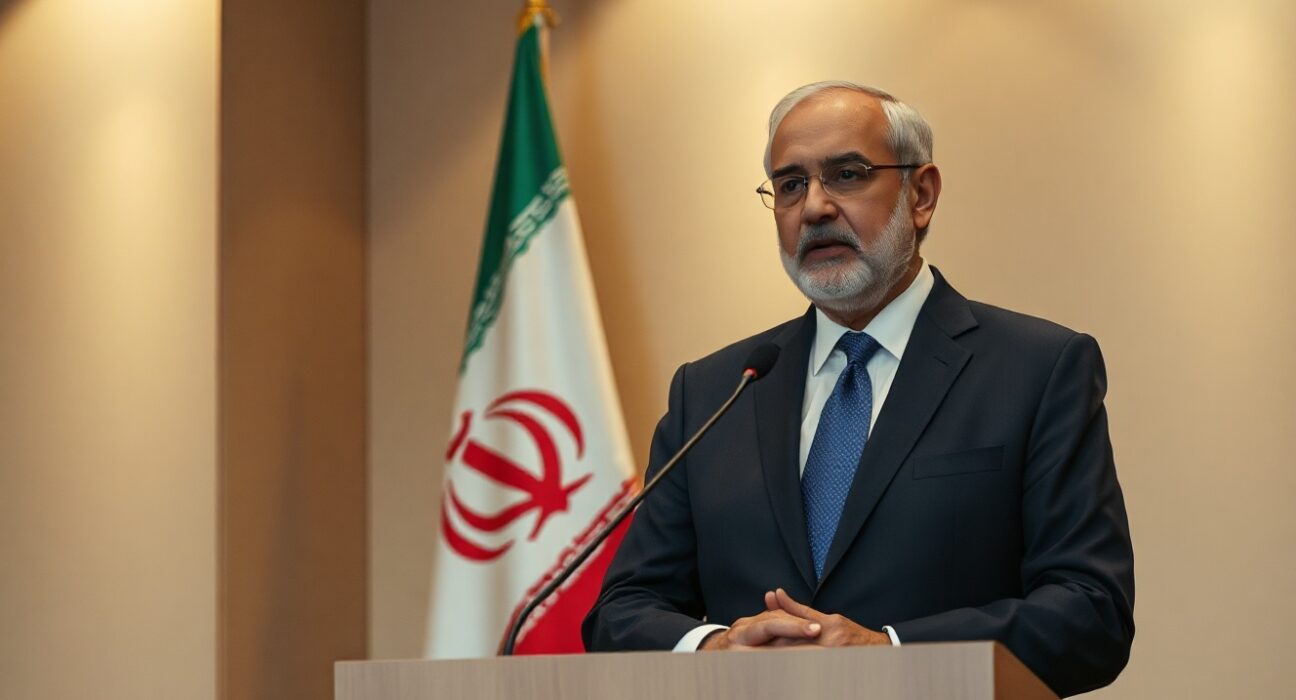
Iran’s deputy foreign minister has dismissed the European Union’s latest round of sanctions as ‘meaningless,’ signaling Tehran’s determination to continue its strategy of defending sovereignty over the strategically vital Strait of Hormuz. The statement, delivered on March 15, 2025, in Tehran, underscores the widening rift between Iran and European powers over regional security and maritime navigation.
Context of the Sanctions
The European Union imposed new sanctions on Iran earlier this month, citing concerns over Tehran’s military activities and its stance on international shipping lanes in the Persian Gulf. The measures target Iranian entities and individuals allegedly involved in actions that threaten freedom of navigation. However, Iran’s deputy foreign minister characterized the sanctions as lacking substantive impact, asserting that Tehran’s policies remain unchanged.
Strait of Hormuz: A Flashpoint
The Strait of Hormuz, a narrow waterway connecting the Persian Gulf to the Gulf of Oman, is a critical chokepoint for global oil shipments. Approximately 20% of the world’s petroleum passes through the strait daily. Iran has long asserted its right to control access, citing national security and historical claims. The latest EU sanctions are seen as a response to Iranian threats to disrupt shipping in the region, a move that could escalate tensions with Western nations and regional allies.
Implications for Global Energy Markets
Analysts warn that any disruption to shipping through the Strait of Hormuz could have severe consequences for global energy prices and supply chains. The EU’s sanctions, while symbolic, may not deter Iran from pursuing its strategic objectives. The deputy foreign minister’s remarks suggest that Tehran views the measures as a political gesture rather than a genuine threat to its interests.
Conclusion
Iran’s dismissal of the EU sanctions reflects a broader pattern of defiance in its foreign policy, particularly regarding the Strait of Hormuz. As diplomatic channels remain strained, the international community faces the challenge of balancing pressure with engagement to prevent further escalation in one of the world’s most sensitive maritime corridors.
FAQs
Q1: What are the new EU sanctions against Iran?
The EU sanctions target Iranian entities and individuals accused of threatening freedom of navigation in the Persian Gulf, particularly around the Strait of Hormuz. They include asset freezes and travel bans.
Q2: Why is the Strait of Hormuz important?
The Strait of Hormuz is a critical maritime chokepoint through which about 20% of global oil supply passes. Its security is vital for global energy markets and international trade.
Q3: How has Iran responded to previous sanctions?
Iran has consistently rejected Western sanctions as ineffective, often responding with increased military posturing or diplomatic countermeasures. The latest statement continues this pattern of defiance.
Disclaimer: The information provided is not trading advice, Bitcoinworld.co.in holds no liability for any investments made based on the information provided on this page. We strongly recommend independent research and/or consultation with a qualified professional before making any investment decisions.
