

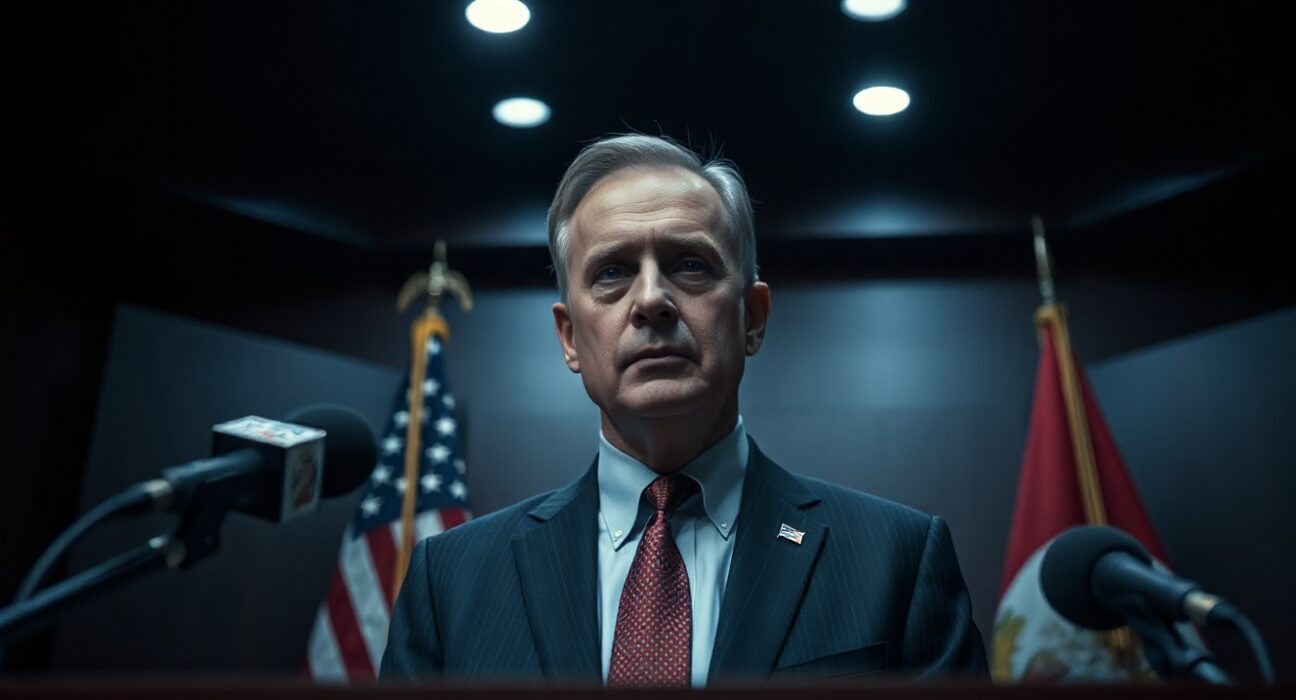
Former President Donald Trump has stated that the United States must respond to what he described as an Iranian assault, reigniting debate over the country’s posture in the Middle East. Speaking at a campaign event in South Carolina on Saturday, Trump did not provide specific details of the alleged attack but framed it as a direct challenge to American interests and credibility abroad.
Context of the Statement
Trump’s remarks come amid a period of heightened tensions between Washington and Tehran. While no formal military engagement has been confirmed, recent weeks have seen an increase in reported skirmishes involving Iranian-backed militias in Iraq and Syria, as well as continued diplomatic deadlock over Iran’s nuclear program. The former president’s language mirrors his administration’s earlier policy of maximum pressure, which included the 2020 assassination of Qasem Soleimani and withdrawal from the 2015 nuclear deal.
Implications for US Policy and Regional Security
If the US were to escalate its military response, analysts warn of a potential cycle of retaliation that could destabilize the broader region. Iran has invested heavily in proxy forces across Lebanon, Yemen, and the Gulf, which could be activated in the event of a direct confrontation. On the other hand, a measured or diplomatic response might be perceived as weakness by Tehran, complicating future negotiations.
Market and Economic Repercussions
Geopolitical uncertainty often triggers volatility in energy markets. Any escalation involving Iran risks disrupting oil shipments through the Strait of Hormuz, a critical chokepoint for global crude supply. Investors are already pricing in a risk premium, with Brent crude hovering near $85 per barrel as of Monday. A prolonged standoff could also affect defense stocks, cybersecurity firms, and shipping logistics.
Conclusion
Trump’s call for a US response to an Iranian assault reflects a broader debate within American foreign policy circles: whether to reassert military deterrence or pursue de-escalation through diplomacy. The coming days will be critical as intelligence assessments are reviewed and allies are consulted. For now, the situation remains fluid, and the world watches closely.
FAQs
Q1: What did Trump say about the Iranian assault?
Trump stated that the US must react to an Iranian assault, though he did not specify the nature of the attack or provide evidence. His comments were made at a campaign rally.
Q2: Is there an ongoing conflict between the US and Iran?
As of now, there is no open military conflict. Tensions remain high due to proxy engagements, nuclear negotiations, and historical hostilities. Trump’s statement appears to reference a specific incident that has not been officially confirmed.
Q3: How could this affect oil prices and the global economy?
Any escalation near the Strait of Hormuz could disrupt oil shipments, leading to price spikes. Markets are already reacting cautiously, and further instability could impact supply chains, inflation, and investor confidence worldwide.
Disclaimer: The information provided is not trading advice, Bitcoinworld.co.in holds no liability for any investments made based on the information provided on this page. We strongly recommend independent research and/or consultation with a qualified professional before making any investment decisions.
